
PHOTO: © CROATIAN NATIONAL TOURIST BOARD
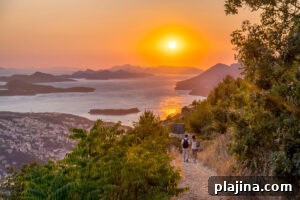
Few small cities carry a reputation as large as Dubrovnik’s. Known worldwide for its dramatic medieval walls and coastal setting, the city is now entering a new phase. Once heavily dependent on summer crowds and cruise arrivals, Dubrovnik is actively reshaping its tourism model and infrastructure to support sustainable access and long-term growth. From reorganized visitor flows and airport expansion to stricter housing rules, the city is taking concrete steps to protect its historic core while planning for the future.
In recent years Dubrovnik has introduced measures to manage overtourism. The “Respect the City” initiative, launched with the Cruise Lines International Association, limits cruise ship disembarkations to two ships per day and caps daily arrivals at roughly 4,000 passengers. This has helped smooth schedules and reduce congestion at key Old Town entrances. The city also implemented a restricted traffic zone around major sites in June, cutting vehicle volumes and shortening transit times. By 2026, entry to the famed city walls is expected to require timed advance tickets, a first for this landmark attraction and a significant step toward better crowd control.
Dubrovnik Airport is undergoing a multiphase expansion under the ZLD Development Project, which includes updates to runways, taxiways, aprons and terminal infrastructure with backing from European Union structural investment funds. A new terminal is planned to begin construction in 2026, subject to additional funding and approvals, and the airport has adopted a long-range master plan through 2045. Passenger numbers show strong recovery — the airport exceeded 2.2 million travelers by August this year and is aiming to maintain levels near the pre-pandemic total of around 2.9 million.
Air service remains largely seasonal, though there are signs of change as carriers test extended schedules. Austrian Airlines plans to operate the Vienna–Dubrovnik route twice weekly through Dec. 27, 2025, and resume in March 2026, offering a longer operating window than in past years. Ryanair expects to keep flights between Vienna and Dubrovnik through the winter, representing one of the city’s first continuous low-season connections to a major European hub. Still, most routes concentrate between April and October, underscoring the city’s continuing dependence on peak-season travel.
As Dubrovnik works to lengthen shoulder seasons, it is also addressing the social impacts of a tourism-driven economy. In late 2024, Croatia’s parliament approved restrictions on short-term tourist rentals in high-demand areas, strengthening registration rules, raising taxes and introducing consent requirements for rentals in apartment buildings. Local officials announced a freeze on new rental permits in the Old Town earlier in 2024, although enforcement varies.
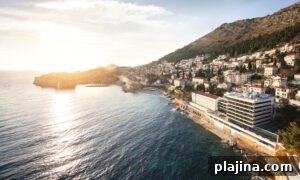
PHOTO: © ADRIATIC LUXURY HOTELS
The result is a city in transition — not moving away from tourism, but toward a more sustainable, managed model. Dubrovnik’s fortified coastline remains an international icon, while behind its ancient streets officials and local businesses are implementing modern policies to balance preservation with visitor demand.
CHECKING IN WITH BARBARA KRILANOVIC
Marketing Department Coordinator, Adriatic Luxury Hotels
What’s trending in Dubrovnik luxury hospitality?
Dubrovnik is shifting from a traditional summer “sun-and-sea” destination to a year-round luxury market. More travelers are booking stays in spring and autumn to enjoy milder weather, quieter streets and outdoor activities. Wellness-focused luxury is expanding, with guests seeking spa-centered escapes, sleep-friendly suites and lighter, health-conscious dining. We’re also seeing more multigenerational and celebratory travel: families and groups reserving private buyouts and exclusive events for milestones like birthdays and weddings. Sustainability remains important, with guests asking about seafood sourcing, plastic reduction and support for local artisans.
Are there changes in who’s arriving?
The visitor profile is broadening beyond traditional luxury guests and cruise passengers to include younger, affluent couples who prefer contemporary design, vibrant social spaces and authentic cultural experiences. Culinary tourism is on the rise, with demand for cooking classes, market tours, olive oil tastings and wine day trips to the Pelješac Peninsula. Off-season culture seekers are also increasing, traveling in spring and autumn to attend events such as the Dubrovnik Winter Festival and the Good Food Festival in October.
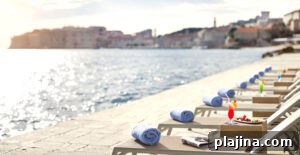
PHOTO: © ADRIATIC LUXURY HOTELS
How does Adriatic Luxury Hotels adapt?
We operate a range of properties around Dubrovnik, from heritage hotels to modern seaside retreats, each tailored to different traveler needs. Hotel Excelsior, steps from the Old Town, remains a 5-star landmark known for its dining and views over Lokrum Island. Villa Agave caters to guests seeking privacy and bespoke service, while Hotel Bellevue, set into a cliffside cove, is prized for its design, pebble-beach setting and spa. Hotel Kompas appeals to style-minded visitors with chic interiors and a lively promenade atmosphere. Nearby in Cavtat, Hotel Croatia and boutique Hotel Supetar offer a quieter coastal alternative. To meet evolving expectations, we invest in subtle renovations that combine contemporary aesthetics with each property’s historic character.
DIVERSIONS
Walking the city walls is Dubrovnik’s defining experience. The roughly 1.25-mile circuit offers sweeping sea views, glimpses into secluded courtyards and a striking perspective of the UNESCO-listed Old Town.
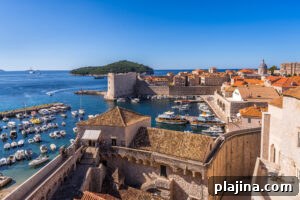
PHOTO: © CROATIAN NATIONAL TOURIST BOARD
Inside the walls, the marble-paved Stradun links many of Dubrovnik’s most important sites. The Rector’s Palace, once the seat of government for the Republic of Ragusa, now houses a museum about the city’s maritime history, while the Franciscan Monastery is home to one of Europe’s oldest continuously operating pharmacies, in service since 1317. Offshore, Lokrum Island provides a tranquil escape with botanical gardens, shaded walks and swimming spots. For expansive views, the cable car to Mount Srđ rises above the city and reveals panoramas that reach to the Elaphiti Islands.
Outside the historic center, the Gruž district is growing into a contemporary hub with wine bars, markets and an evolving restaurant scene. Each summer the Dubrovnik Summer Festival turns the city into an open-air stage, bringing music, theater and dance to courtyards and squares throughout the Old Town.
LODGING
HOTEL BELLEVUE
Perched in a cliff above Miramare Bay, this sleek retreat features sea-view balconies, a restorative spa and one of Dubrovnik’s top seafood restaurants.
Ur. Pera Čingrije 7, Dubrovnik
$$$$$
HOTEL EXCELSIOR
A seafront landmark since 1913, the hotel blends elegant interiors, acclaimed dining and sweeping Adriatic views just steps from the Old Town.
Ur. Frana Supila 12, Dubrovnik
$$$$$
VILLA DUBROVNIK
One of Croatia’s most exclusive addresses, offering refined service, a full-service spa and panoramic views across the Adriatic and Lokrum Island.
Vlaha Bukovca 6, Dubrovnik
$$$$$
DINING
NAUTIKA
Celebrated for elegant seafood and Croatian wines, this waterfront restaurant pairs refined Adriatic cuisine with views of the city walls and Lovrijenac Fortress.
Brsalje ul. 3, Dubrovnik
$$$$$
RESTAURANT 360
Inside the city walls, this Michelin-starred restaurant serves modern Mediterranean tasting menus and offers panoramic harbor views from its terrace.
Ur. Svetog Dominika 4, Dubrovnik
$$$$$
STARA LOZA
Located in the 15th-century Prijeko Palace, this intimate fine-dining venue is known for seasonal dishes, art-filled interiors and a rooftop setting above the cobbled streets.
Prijeko ul. 24, Dubrovnik
$$$$
JUST THE FACTS
Time zone: GMT+1 (GMT+2 DST)
Phone code: Country code: 385 City code: 20
Currency: Euro
Key industries: Tourism and hospitality, maritime trade, film and television production, and cultural heritage preservation
COMING AND GOING
U.S. citizens may enter Croatia for up to 90 days within a 180-day period without a visa. Passports should be valid for at least three months beyond the planned departure date.
OFFICIAL LANGUAGE
Croatian
INFO TO GO
Dubrovnik Airport, about 13 miles south of the city, is the main international gateway. Taxis and pre-booked transfers typically reach the Old Town in 25–30 minutes. Frequent airport shuttle buses stop at the main bus station in Gruž, where local buses and taxis provide onward connections to the city center. Ferries and catamarans from Split and nearby Elaphiti Islands also arrive at Gruž port.