CASUALLY ASK SOMEONE in Minnesota’s Twin Cities what’s new, and you may be in for a longer conversation than you anticipated.
Minneapolis, larger than its twin sister city Saint Paul, is in the midst of The Minneapolis Big Build — a sweeping program of new facilities, parks and public amenities representing roughly $2 billion in investment. The upgrades are designed to benefit everyone who lives, works, visits or plays in this vibrant, evolving city.
Sporting events are a major part of Minneapolis life. With marquee events such as the X Games and major national competitions on the calendar in recent years, plus home teams like the Minnesota Vikings, Twins, Timberwolves, Lynx and Wild, the city’s athletic profile continues to grow.
Target Field hosts Major League Baseball’s Twins, while the NHL’s Wild play at the Xcel Energy Center in nearby Saint Paul. In Minneapolis, the Target Center — home to the NBA’s Timberwolves and the WNBA’s Lynx — is undergoing significant renovations to improve the fan experience, including a new atrium and lobby, a larger center-hung scoreboard, renovated suite levels and updated seating.
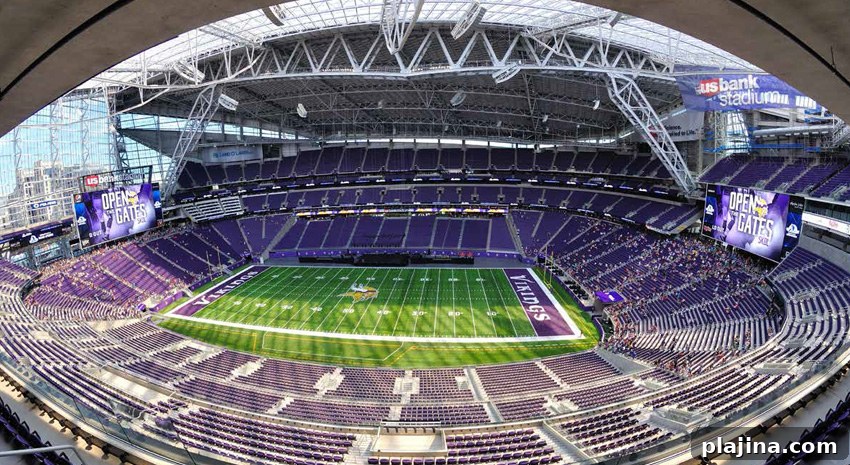
The biggest sports-related development is the new U.S. Bank Stadium, which replaced the Metrodome and opened for regular-season play in September 2016. At about 1.75 million square feet, the state-of-the-art facility serves as the Vikings’ home and also functions as a versatile event venue for corporate meetings, special events and even weddings. The stadium showcases local creativity, displaying more than 500 original artworks and photographs created by Minnesota artists.
The city’s arts scene is also expanding. The Walker Art Center added the Esker Grove, a relaxed indoor-outdoor spot for cocktails, lunch, dinner and weekend brunch that overlooks the Minneapolis Sculpture Garden. The sculpture garden itself is undergoing extensive renovation to add 16 new works and refresh its landscape, with a reopening planned for this summer.
Outside the city, Paisley Park — Prince’s private studio and home — opened to the public in October 2016. Fans can tour the facility to gain insight into the artist’s life and creative process.
Back downtown, Nicollet Mall — the city’s primary retail and dining corridor — is being rebuilt to improve pedestrian spaces, lighting and public art. Phased openings of the one-mile project are expected to roll out over this year and next, enhancing the street-level experience for residents and visitors.
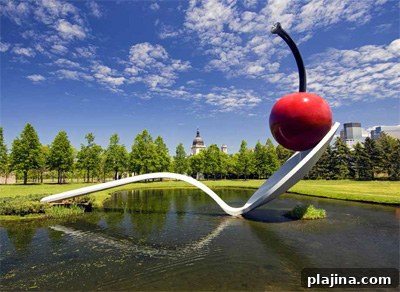
Minneapolis Sculpture Garden’s centerpiece, Spoonbridge and Cherry fountain © MIKE7777777 | DREAMSTIME.COM
Neighborhoods across Minneapolis are experiencing rapid change. The North Loop has become one of the city’s fastest-growing areas, packed with new restaurants, shops and residential developments. Northeast Minneapolis is seeing its own wave of redevelopment, and other districts are finding new life through targeted investments and creative reuse projects.
Hotel development is keeping pace with the city’s renaissance. Roughly 1,500 new rooms across ten properties have opened or are planned, expanding options for visitors and event planners.
In late 2016, Carlson Rezidor introduced the first U.S. Radisson RED in Minneapolis near U.S. Bank Stadium. The brand emphasizes a tech-forward, design-driven experience with no traditional front desk, curated music and fashion influences, and a focus on guest interaction and creative programming.
“RED is unlike any other hotel brand,” said Ryan Foley, general manager or “curator” of Radisson RED Minneapolis. “We simplify the experience through technology and enhance it through art, music and fashion.” The brand encourages guests to engage with the hotel and treat their stay as an experience rather than just a place to sleep.
Other recent hotel additions include the AC Marriott Minneapolis Downtown and Embassy Suites Minneapolis Downtown, while boutique options such as Hotel Alma in Marcy-Holmes offer intimate, locally rooted stays. Hotel Alma, which opened in December 2016, operates more like an inn with seven rooms and features Restaurant Alma and Café Alma under the same roof, highlighting local culinary talent.
Minneapolis has carefully planned projects and initiatives to make the city more inviting for families, professionals and visitors. Thoughtful public investment, cultural enhancements and infrastructure improvements are helping Minneapolis grow as a destination for living, working and leisure.
SCENIC DRIVES
For a scenic escape, drive east from downtown Minneapolis through Saint Paul and follow the St. Croix Scenic Byway into the St. Croix Valley. The nearly 124-mile route takes roughly two and a half hours each way and leads through rolling landscapes and historic towns. Along the way, stop at natural highlights such as Afton State Park, Banning State Park and the scenic overlooks around Brook Park State Monument to enjoy hiking, picnicking and river views before returning to the city’s lively cultural and nightlife scene.