With a wave of new hotels, transportation projects and infrastructure upgrades planned or underway, Los Angeles’ economic outlook is as bright as its sunlit skyline. Over the past decade, once-overlooked pockets of the city—especially downtown—have been transformed by new developments, from boutique hotels to restored theaters along the historic Broadway corridor.
More than 10 million visitors come to Los Angeles each year, making tourism a major pillar of the regional economy alongside international trade, manufacturing, entertainment and fashion. Last year the stylish Ace Hotel opened its first Los Angeles location inside the restored United Artists building, bringing a 1,600-seat theater back to life for concerts and movie premieres.
“Los Angeles hosted a record number of visitors in 2014, and the travel and tourism business is on fire,” says Gary Toebben, president and CEO of the Los Angeles Area Chamber of Commerce. “New hotels are going up throughout the community; hotel occupancy is at an all-time high, as are the number of passengers flying into Los Angeles International Airport.”
Ace Hotel Downtown Los Angeles exterior © Ace Hotel
To handle growing interest in Downtown L.A., JW Marriott will expand its L.A. Live hotel from 878 rooms to 1,633 rooms by 2018, adding roughly 75,000 square feet of meeting and conference space. Starwood Hotels announced a W Los Angeles Downtown adjacent to L.A. Live, scheduled to open in early 2019, reflecting the neighborhood’s rapid revitalization.
“The time is right for a W Hotel in the heart of Downtown L.A.,” says Anthony Ingham, global brand leader for W Hotels Worldwide. “From tech and nightlife to entertainment and a fresh foodie scene, Downtown Los Angeles has been undergoing a rapid revitalization, and we’re excited to fuel this fire.”
Currently, 22 new hotels are under construction across Los Angeles County, with another 21 in final planning stages. One marquee project, the 73-story Wilshire Grand Center, will be the tallest building in the Western United States when it opens. The tower will feature high-speed elevators serving a 70th-floor sky lobby and approximately 900 hotel rooms, along with retail, restaurants and 30 floors of offices.
Private companies throughout the city and county are adding hundreds of creative and technology jobs, and new buildings are rising to house these operations. Investment from individuals and businesses in Asia continues to grow, supporting further expansion and development.
Other major projects include Frank Gehry’s 8150 Sunset Boulevard, a $300 million mixed-use development on the Sunset Strip comprised of five structures surrounding a public plaza, slated to begin construction in late 2016. In the Financial District, a 700-unit luxury apartment complex opened this year with a 42,000-square-foot grocery anchor. Nearby, Macy’s Plaza was reimagined as an open-air shopping and dining destination called The Bloc, which debuted in 2015.
Ace Hotel Downtown Los Angeles theater © Ace Hotel
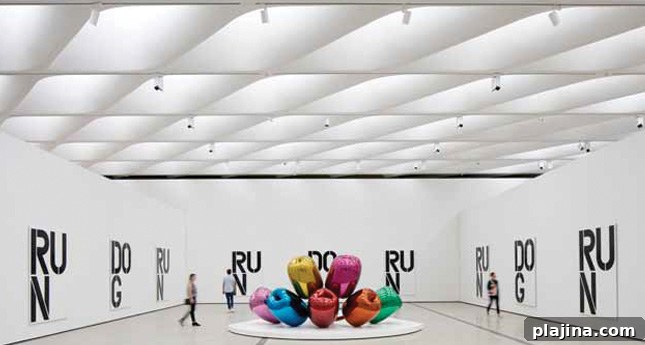
Downtown also gained The Broad, a $140 million contemporary art museum housing more than 2,000 works from the Broad collection. Cultural revitalization efforts extend to Bringing Back Broadway, a long-term program aimed at restoring Broadway’s theaters, retail storefronts and historic streetcar to revive the corridor’s past vibrancy.
Transportation improvements are increasing connectivity across the region. A light rail extension linking Culver City to Santa Monica will allow passengers to travel from downtown to the beach in under an hour. Plans for California’s high-speed rail linking Los Angeles and San Francisco remain ambitious; construction on a major segment is expected to begin in coming years as the long-term program progresses.
Los Angeles International Airport is also undergoing a sweeping modernization comprised of more than 20 projects. Central to that effort is the new Tom Bradley International Terminal, a multibillion-dollar expansion adding gates capable of handling superjumbo jets and a reimagined Great Hall for dining and shopping, with completion targeted in the coming years.
Even the Los Angeles River has become the focus of redevelopment. Master planning seeks to restore public access to miles of bike paths and walkways while improving stormwater capture and treatment, which will help reduce imported water needs and support a sustainable urban core.
SCENIC DRIVES
Highway 1, California’s famed Pacific Coast Highway, traces some of the nation’s most dramatic coastline. The iconic stretch near Los Angeles runs roughly 20 miles from Santa Monica through Malibu’s Zuma Beach, where sunbathers and surfers share broad public beaches and dramatic coastal vistas. A stop at the Getty Villa offers classical art and gardens before returning to the coast for beach time and ocean views.
Palos Verdes Drive, winding through Rancho Palos Verdes southwest of downtown, offers striking cliffside panoramas and ocean views. The 14-mile route climbs and descends rugged terrain between Palos Verdes Estates and San Pedro, with scenic pullouts ideal for photographing Catalina Island or spotting migrating whales. The drive is a popular spot for picnics and tidepool exploration at White Point/Royal Palms Beach Park.