
For many people, flying is a necessary but anxiety-inducing part of travel. To help passengers feel more confident about their choices, AirlineRatings.com publishes an annual ranking of the world’s safest airlines, evaluating 407 carriers worldwide. The list is based on objective safety metrics such as historical fatality records, frequency and severity of incidents, results of government inspections, and assessments by independent aviation organizations.
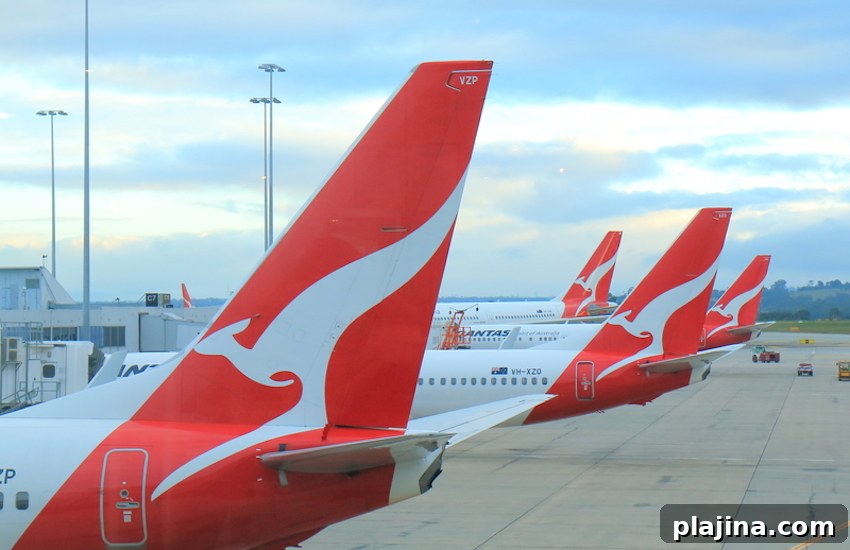
Topping the 2018 rankings was Australia-based Qantas, which earned the title of the world’s safest airline for a third consecutive year. With a history stretching back 95 years, Qantas has no recorded fatal accidents in its passenger operations and is recognized for a strong safety culture. The airline invests in advanced safety technologies and processes, including satellite-based engine monitoring and automated landing systems, to further reduce risk and improve operational reliability.
The remainder of the top 20 (listed alphabetically) reflects a mix of legacy carriers and leading international operators known for safety, training, and regulatory compliance: Air New Zealand, Alaska Airlines, All Nippon Airways, American Airlines, Austrian Airlines, British Airways, Cathay Pacific Airways, Emirates, EVA Air, Finnair, Hawaiian Airlines, KLM, Lufthansa, Qatar Airways, SAS, Singapore Airlines, SWISS, United Airlines, and the Virgin Group carriers.
When choosing an airline, passengers should consider safety rankings alongside other practical factors such as route network, schedules, pricing, and customer service. Safety rankings like those from AirlineRatings.com provide a useful, evidence-based snapshot of how airlines perform on critical safety measures, but passengers can also review an airline’s safety policies, fleet age, maintenance standards, and regulatory audit outcomes for a fuller picture.
Air travel today benefits from decades of technological advances, stringent regulatory oversight, and continuous improvements in crew training and aircraft maintenance. Even so, differences in operational practices, regulatory environments, and fleet modernization can influence an airline’s safety profile. Travelers who prioritize safety may find it helpful to consult reputable annual safety lists alongside current airline advisories and inspection reports before booking.
In summary, annual safety rankings offer clear, data-driven guidance to help reduce anxiety around flying. The top-ranked airlines combine strong safety records, ongoing investment in technology, and robust operational procedures—factors that contribute to safer skies and greater peace of mind for passengers.