
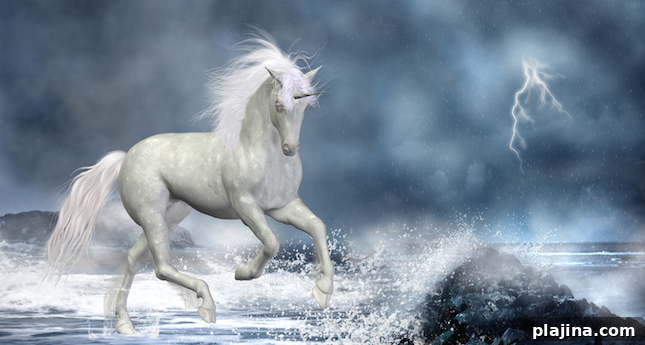
Let your imagination run wild from March 20 to September 7 at the Denver Museum of Nature & Science as the museum presents the new exhibition Mythic Creatures: Dragons, Unicorns and Mermaids. This immersive exhibit traces how mythological beings have influenced art, literature, music, ritual and everyday life across cultures and centuries. On display are life-size models, textiles, paintings, prehistoric fossils, stone carvings and preserved specimens that helped shape the magical tales people tell around the world.
Highlights include a 17-foot dragon model and a massive kraken with 12-foot tentacles, alongside interactive and virtual experiences that explore the real-world observations and historical events that inspired legendary stories. The exhibition brings together well-known figures and lesser-known creatures from the Americas, Asia and Europe, offering new perspectives on how myths form, spread and endure.
Visitors can expect a thoughtful mix of science, history and art that reveals the connections between cultural belief and natural phenomena. By examining artifacts and specimens alongside creative works, the exhibit demonstrates how human curiosity, imagination and interpretation transformed natural oddities and ancient encounters into enduring myths. Whether you’re interested in folklore, biology, archaeology or visual culture, the display encourages close looking and invites questions about why certain creatures captivated human minds across time and place.
The exhibition’s combination of large-scale models, historical objects and multimedia elements makes it suitable for a wide audience, from families to scholars. Educational components and interpretive panels aim to contextualize each item, highlighting the ways local environments, exploration, trade and storytelling contributed to the rise of specific mythical beings. The result is a richly layered presentation that balances spectacle with scholarship.
Mythic Creatures emphasizes that myths are not just fanciful stories but often stem from real experiences and observations—misidentified bones, rare animal sightings, symbolic imagery and cultural exchanges all play roles. The show invites visitors to consider how myths evolve and persist, and how art and ritual keep those legends alive. It also illustrates the human impulse to explain the unknown and to dramatize the natural world in ways that reflect values, fears and aspirations.
Whether you come for the dramatic installations, the historical artifacts or the scientific interpretations, the exhibition offers plenty to discover. It celebrates the creativity behind myth-making while grounding those narratives in material evidence and historical context, making it an engaging experience for anyone curious about the origins and meanings of legendary creatures.