
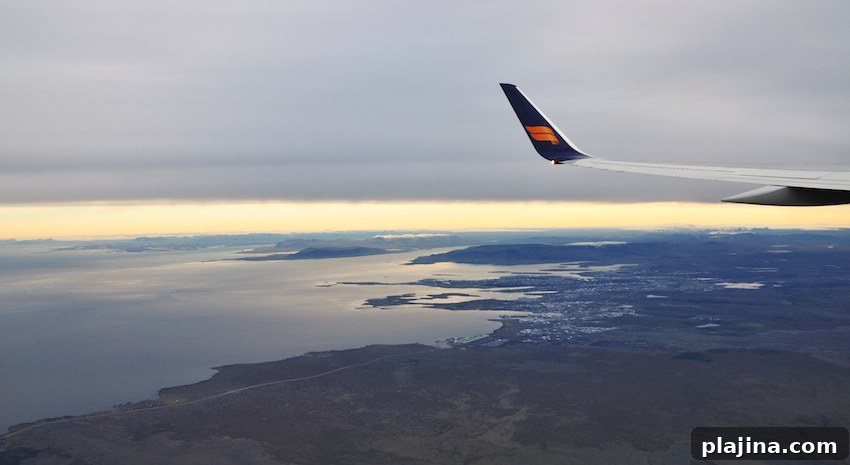
Last week, Boeing delivered Icelandair’s first 737 MAX aircraft, which joins the airline’s existing fleet of Boeing 757 and 767 jets that serve routes across North America and Europe.
Icelandair placed an order for 16 737 MAX aircraft in 2013, including both MAX 8 and MAX 9 models. These types offer lower seat-mile costs and greater range, improving operational efficiency and supporting more profitable route options. The 737 MAX family has been one of Boeing’s fastest-selling programs.
“The arrival of the new aircraft represents a milestone, the start of the renewal of our fleet which is an exciting undertaking for Icelandair,” said Björgólfur Jóhannsson, president and CEO of Icelandair. “The MAX will be an excellent addition to our fleet of Boeing 757s and 767s and increase both flexibility and capacity for the growth of our network, through added frequencies and new destinations.”
Monty Oliver, vice-president of Europe sales for Boeing Commercial Airplanes, added that “the 737 MAX will complement Icelandair’s trans-Atlantic operations, continuing to seamlessly link points between North America and Europe. The operating efficiencies of the 737 MAX family will allow Icelandair to steadily and profitably grow its network in the coming years as it introduces both MAX 8s and MAX 9s into its fleet.”
The introduction of the 737 MAX supports several strategic goals for Icelandair. With improved fuel efficiency and extended range, the aircraft enables the carrier to optimize route planning, add frequencies on high-demand corridors, and explore new destinations without substantially increasing costs. For passengers, this can mean more direct options and potentially better scheduling across the airline’s transatlantic network.
From an operational standpoint, adding MAX 8 and MAX 9 variants provides Icelandair with flexibility: MAX 8s are well-suited to medium-density routes while MAX 9s can accommodate higher-demand markets. This mix helps the airline match capacity to demand throughout seasonal cycles, improving load factors and revenue potential.
For Boeing, deliveries to airlines like Icelandair reinforce the 737 MAX family’s role in modernizing short- and medium-haul fleets worldwide. Airlines continue to prioritize aircraft that lower per-seat operating costs and reduce environmental impact through improved fuel burn—factors that contribute to both financial performance and sustainability objectives.
As the new 737 MAX aircraft enter service, Icelandair can expect to refine its network strategy, increase flight frequencies where demand warrants, and potentially open new routes that were previously uneconomical with older equipment. The fleet renewal marks a clear step toward a more efficient and flexible operation, benefiting the airline, its passengers, and its partners across the North Atlantic.