
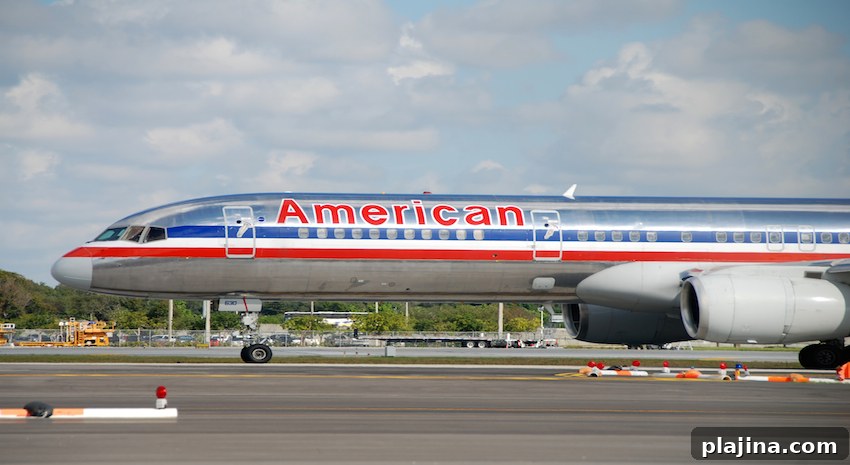
Although initially planned for fall 2016, American Airlines delayed the launch of its basic economy fare until January 2017. The new fare offers lower ticket prices in exchange for fewer onboard and pre-flight amenities.
American refined the program through the end of 2016, and beginning in the New Year travelers were able to choose a lower-cost seat at the expense of certain conveniences. Basic economy passengers will face more restrictive change and cancellation policies, will not be able to select seats in advance, and may receive different frequent‑flyer mileage accrual compared with standard fares.
This move follows a trend established by Delta Air Lines in 2012 and mirrors pricing strategies common among European low-cost carriers. Both American and United Airlines have explored simplified, no-frills fare tiers to attract price-sensitive customers while remaining competitive in a market that increasingly segments services and adds optional a la carte fees.
By introducing basic economy, airlines aim to give travelers explicit choices: pay more for flexible tickets and full privileges, or pay less and accept limitations on seat selection, boarding, and ticket changes. For many passengers, the lower price is worth the trade-offs, especially on short flights or routes where seat selection is less important.
Travelers considering basic economy should compare the full fare rules before booking. Key factors to review include eligibility for upgrades, checked and carry-on baggage allowances, frequent‑flyer earnings, boarding group assignment, and fees for changes or cancellations. Understanding these differences helps ensure passengers select the fare that best matches their priorities—price, convenience, or flexibility.
As airlines continue to experiment with fare structures, consumers can expect clearer distinctions between fare classes and more opportunities to customize travel costs. The basic economy option is part of that shift, offering a lower entry price while segmenting services so passengers pay only for the extras they want.