-
 © Edwardshtern | Dreamstime.com
Visiting an ancient city is a unique experience. These settlements have endured through centuries, carrying layers of history, culture and architecture that invite visitors to step back in time. From imposing monuments to well-preserved neighborhoods, each city offers stories shaped by generations. Below are some of the world’s oldest continuously inhabited cities, prized for their historical significance and enduring cultural life. -
© Cottage20 | Dreamstime.com
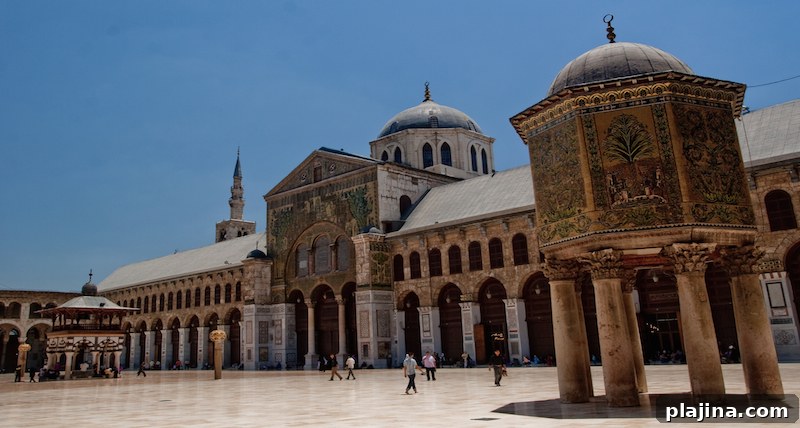
Damascus, Syria’s largest city, has long been a center of culture and religion. Among its enduring landmarks are the Citadel of Damascus, a fortified medieval palace with roots in the 11th century, and the Umayyad Mosque, one of the world’s oldest continuously used sites of prayer since the rise of Islam. The city’s layered history is visible in its bazaars, mosques and ancient quarters. -
© Milosk50 | Dreamstime.com
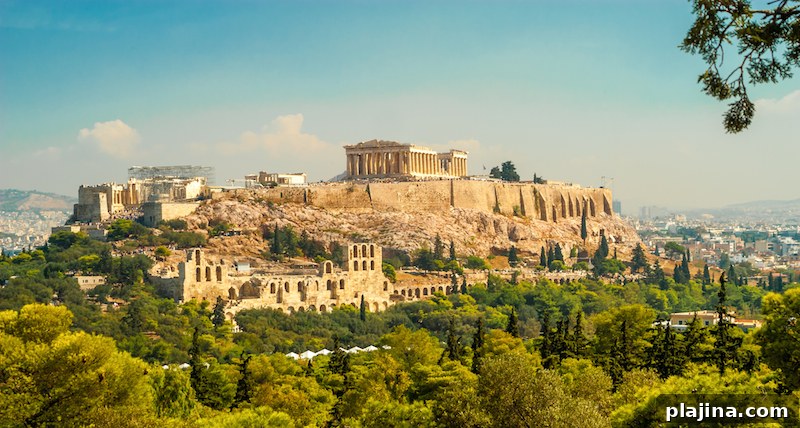
Athens, Greece’s capital and largest city, is widely regarded as the cradle of Western civilization. Inhabited for more than 7,000 years, Athens preserves major archaeological treasures such as the Acropolis and the Parthenon. Roman, Byzantine and Ottoman remnants further testify to the city’s central role in shaping modern Western culture and thought. -
© Stoyo Petkov | Dreamstime.com
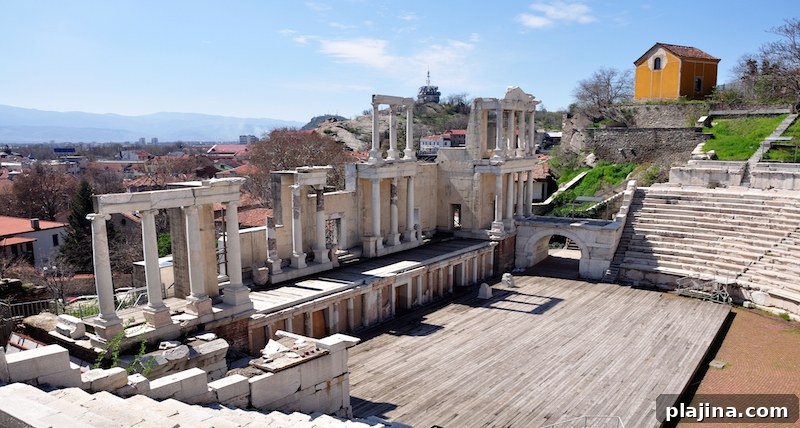
Plovdiv in Bulgaria traces its history back over 6,000 years and has been shaped by Romans, Ottomans and other powers. As Bulgaria’s second-largest city, Plovdiv is known for remarkable Roman ruins including a well-preserved theater, odeons, aqueducts and stadium remains. Its rich heritage earned the city recognition as the European Capital of Culture in 2019. -
© Olga Kolos | Dreamstime.com
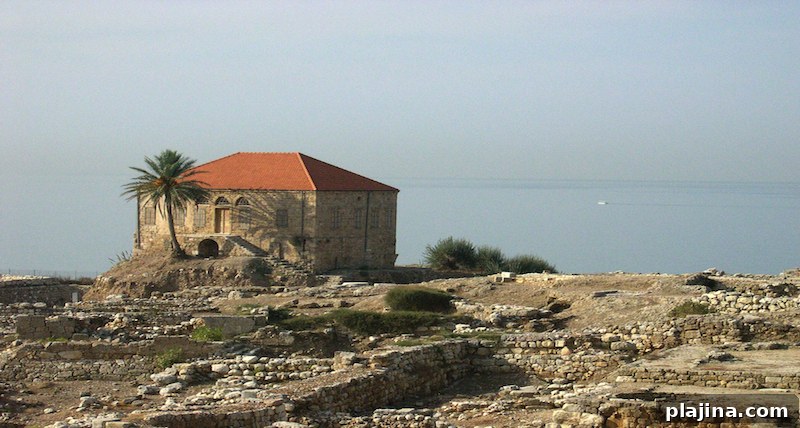
Byblos, on the coast of Lebanon, contains evidence of continuous settlement for more than 7,000 years. Closely tied to Phoenician culture, it played a key role in the spread of the alphabet and in trade—papyrus passed through Byblos on its way to Greece. The city’s ruins span the Bronze Age through the Middle Ages, offering a window into Mediterranean history. -
© Avner Richard | Dreamstime.com
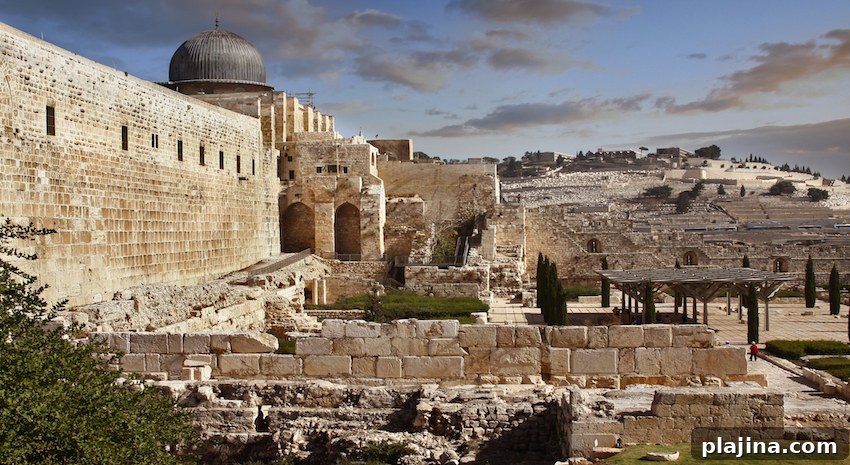
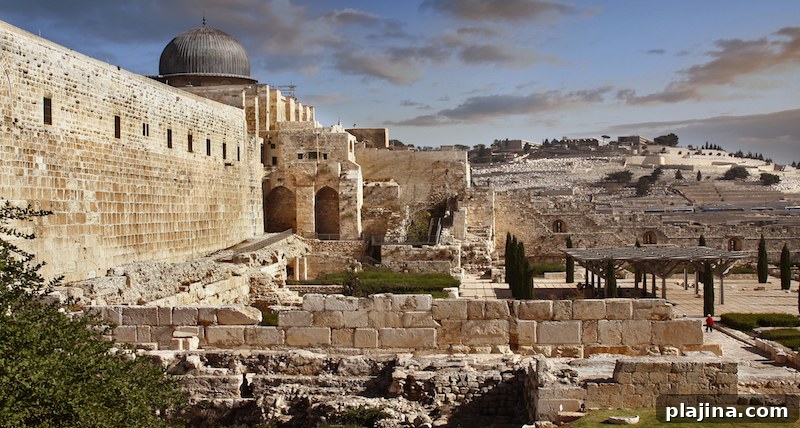
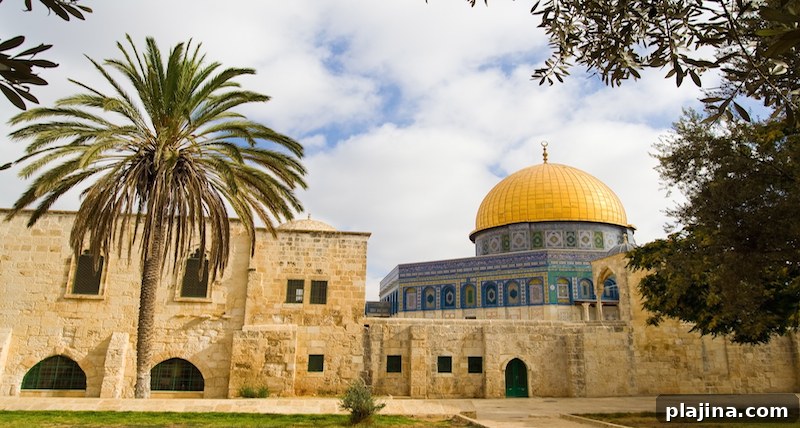
Jerusalem occupies a unique place in global history. Settled some 4,000 to 5,000 years ago, it became a focal point for several major religions. The city safeguards many sacred and historical sites, from what is believed to be an early temple attributed to King Solomon to locations revered by Christians, Jews and Muslims. Jerusalem’s spiritual significance and preserved monuments draw pilgrims and visitors from around the world. -
© Konstantin32 | Dreamstime.com
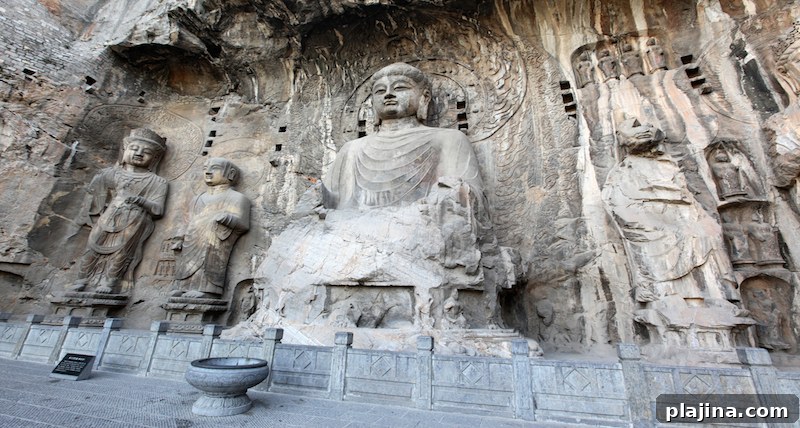
Luoyang is one of Asia’s oldest continuously inhabited cities and ranks among China’s Seven Great Ancient Capitals. Occupied since Neolithic times thanks to its location at the meeting of the Luo and Yi Rivers, Luoyang served as a political and cultural cradle. Notable sites include the Longmen Grottoes, renowned for Chinese Buddhist sculpture, historic canal works and segments associated with the ancient Silk Road. -
© Milosk50 | Dreamstime.com
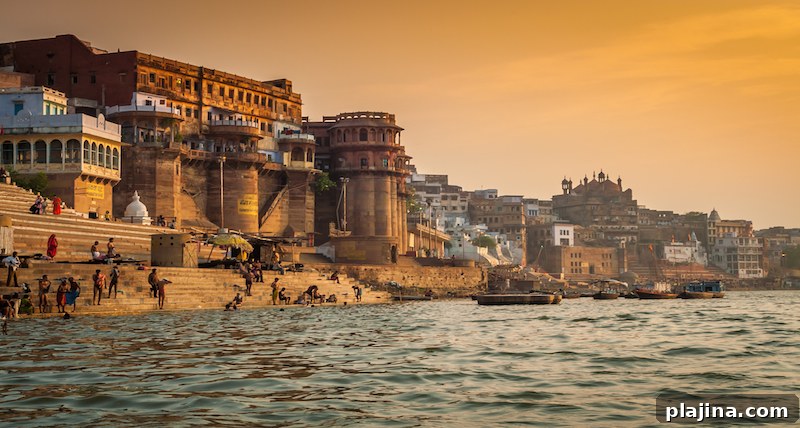
Varanasi, often called India’s spiritual capital, has more than 5,000 years of continuous habitation. Situated on the Ganges River, it is an important Hindu pilgrimage destination known for its ghats—stone steps leading to the water where ritual bathing and ceremonies take place. The city also preserves archaeological sites, pillars and temples that reflect its longstanding religious and cultural heritage.