
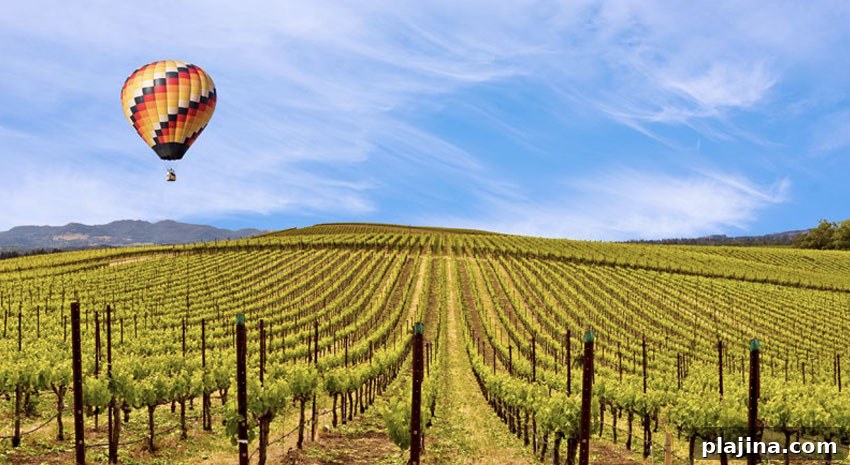
Located about 50 miles north of San Francisco, Napa and Sonoma counties are world-class wine regions that also offer abundant options for business travelers and leisure visitors. Beyond vineyards, both destinations provide a wide range of activities, from culinary experiences and outdoor recreation to spa retreats and conference-ready venues.
Sonoma County’s tourism sector alone generates nearly $2 billion annually, supporting a diverse hospitality ecosystem. The county is home to more than 425 wineries, roughly 40 spas, about 500 restaurants and 20 golf courses—ideal resources for off-site team-building, corporate retreats or leisurely getaways. Seasonal festivals and events, such as artisan cheese celebrations and harvest fairs, add unique local flavor throughout the year.
“Tourism not only powers the economy every day; but as almost every relocation and business site selection begins with a visit, it’s an important tool for cultivating the area’s long-term future,” said Claudia Vecchio, president and CEO of Sonoma County Tourism.
In Napa Valley, tourism supports a significant workforce across lodging, dining, retail and other service sectors, with more than 13,400 workers employed in the region’s hospitality industry.
“The tourism industry continues to provide a significant positive impact to Napa Valley’s economy,” said Clay Gregory, president and CEO of Visit Napa Valley. “Strategically managed efforts have seen visitor spending increase 17.5 percent from 2014 to 2016, with only a 6.3 percent increase in visitors over the same two-year period.”
After the fall 2017 wildfires, Napa and Sonoma mounted comprehensive recovery efforts and reopened to visitors within months, rebuilding both properties and community confidence while reinforcing safety and resilience across the region.
Travelers can reach the region from multiple airports. San Francisco International, San José Mineta International, Sacramento International and Oakland International airports are all roughly 90 to 120 minutes away by car, depending on traffic. Closer regional service is available at Charles M. Schulz–Sonoma County Airport, which operates routes to cities such as Los Angeles, Phoenix, Portland, San Diego, San Francisco and Seattle. With rising visitor interest, Sonoma County continues to add new flight routes periodically.
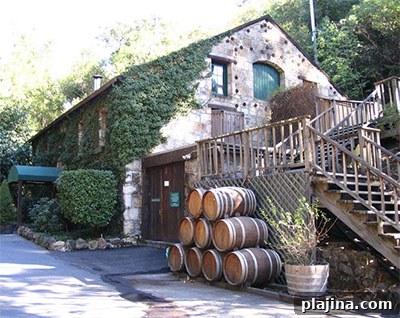
A winery in Sonoma © ALEXANDRE FAGUNDES DE FAGUNDES | DREAMSTIME.COM
Accommodation options have expanded and modernized to meet growing demand. New hotel openings and property renovations continue across both counties. Several notable openings arrived in 2018 and 2019, while signature properties launched or refreshed their offerings to attract meetings and leisure travelers. These developments include new luxury resorts, boutique inns and upgraded coastal lodges, ensuring a range of price points and styles for groups and leisure stays.
Sustainability and green practices are increasingly central to hospitality in the region. Many hotels and wineries have adopted eco-friendly measures—such as energy-efficient systems, water-saving technologies and electric vehicle charging—to reduce environmental impact and support long-term stewardship of vineyard lands. Industry recognition for sustainability highlights how businesses are balancing operational efficiency with environmental leadership.
Meeting planners will find versatile venues across Napa and Sonoma, from intimate tasting rooms and boutique hotels to larger resorts and dedicated conference spaces. Culinary classes, guided hikes, cycling tours and team-building activities on vineyard estates provide memorable programming for corporate groups. Museums, galleries and farm-to-table restaurants also offer unique event settings—some companies even arrange special dining experiences at celebrated restaurants that are regional highlights.
Scenic Drives
A scenic coastal drive of about 80 miles brings you to Point Reyes National Seashore, a protected area of rocky headlands, sandy beaches, grasslands and rolling hills. Wildlife viewing is a highlight—look for harbor seals, shorebirds and seasonal whale migrations from vantage points like the Point Reyes Lighthouse.
Berkeley, on the east shore of San Francisco Bay, offers cultural diversity and outdoor recreation. Home to the University of California, Berkeley, the city features parks such as Tilden Regional Park, the Berkeley Art Museum & Pacific Film Archive, and a growing culinary scene that complements nearby wine country visits.
Many travelers connect through San Francisco International Airport, and if time allows, the Golden Gate National Recreation Area is worth a visit before or after a stay in the wine country. Spanning tens of thousands of acres across the Bay Area, the recreation area includes varied ecosystems, scenic overlooks and iconic views of the Golden Gate Bridge—perfect for short outings or extended exploration.