As airlines look for ways to keep base fares low while protecting profit margins, many have turned to add-on charges that can significantly increase the final cost of a ticket. Low-cost carriers pioneered this approach, offering very low headline fares but charging separately for services that traditional carriers typically include.
Rather than forcing travelers to dig through lengthy terms and conditions, here’s a concise look at the carriers that charge the most for ancillary services — a trend that has steadily increased over the past decade.
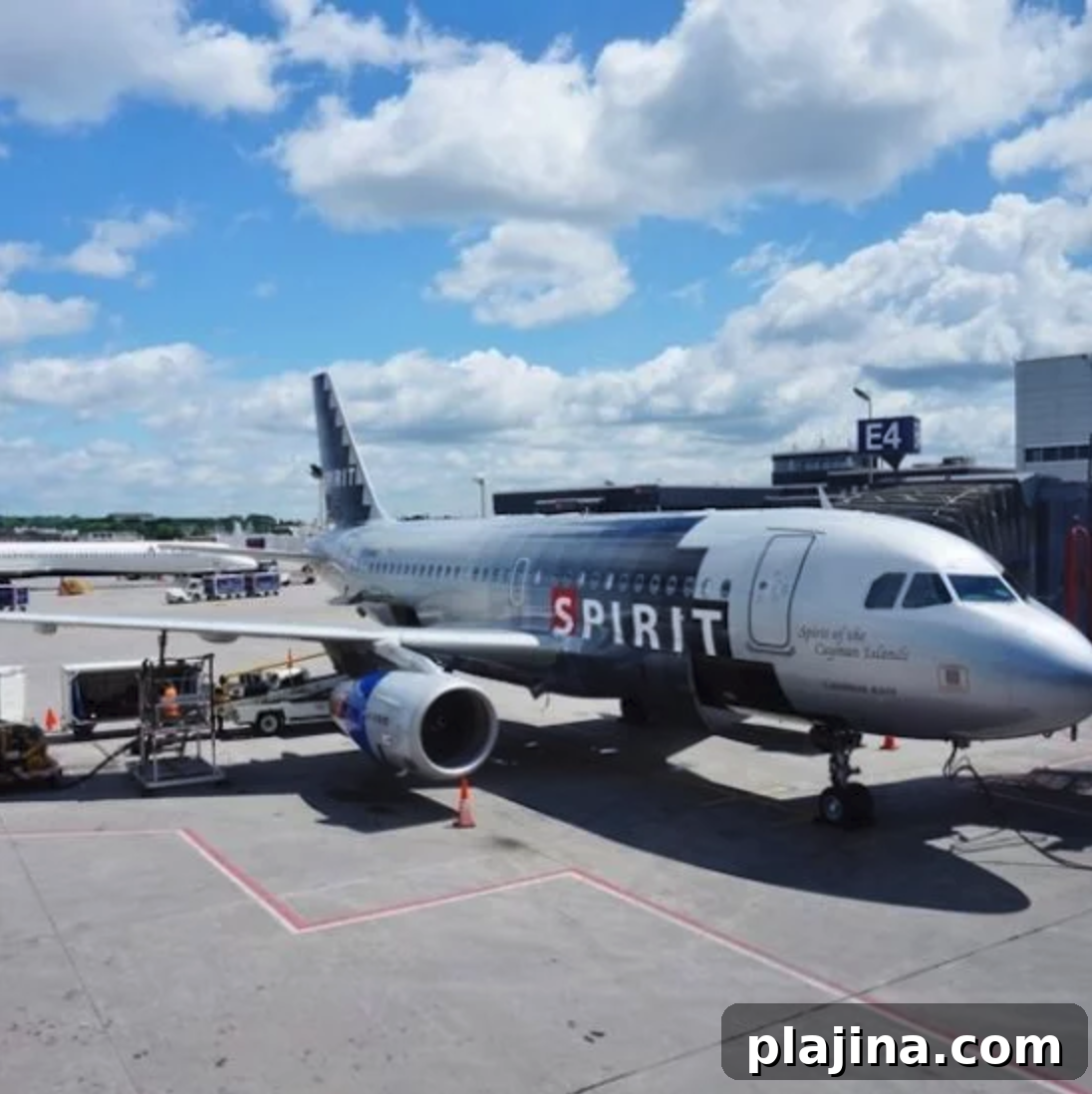
According to a report from IdeaWorksCompany, the airline with the highest average ancillary charge is Spirit, which collects roughly $51 per passenger in extra fees. Other carriers rounding out the top five include WOW air (around $49 per passenger), Allegiant Air (about $49 per passenger), Frontier (approximately $48 per passenger) and Jet2.com (near $43 per passenger). Among major U.S. carriers, United is the only one to appear in the top 10, at roughly $39 per passenger.
Most carriers on this list are low-cost airlines that rely heavily on ancillary revenue streams such as checked baggage fees, seat selection charges and onboard purchases. For Spirit, ancillary charges represent a substantial portion of the business model: nearly 47 percent of the airline’s revenue comes from these extras, with baggage fees accounting for roughly 40 percent. Online booking fees and other service charges also contribute meaningfully to the bottom line for Spirit and similar carriers like Allegiant.
For travelers, the rise of ancillary fees means the importance of comparing total trip costs rather than headline fares alone. Simple steps such as checking baggage policies before booking, weighing luggage ahead of time, and reviewing seat-selection rules can help avoid unexpected charges. When evaluating low-cost carriers, consider both the base fare and the likely extras you’ll need on your journey to make a fully informed choice.