
Medellín sits in northwest Colombia along the Medellín River. The city’s riverside park projects are among the most visible symbols of its recent revitalization. Thanks to its elevation and location in the Aburrá Valley, Medellín enjoys a mild, spring-like climate year-round. Over the past decades the city has become internationally recognized for social transformation and innovative urban projects.
© PROCOLOMBIA
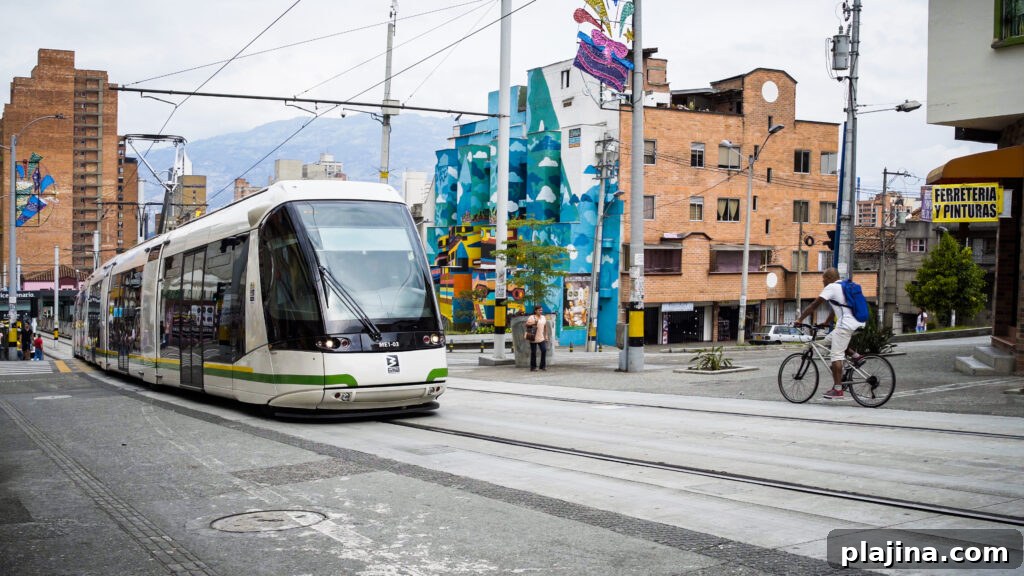
The Medellín Metro, inaugurated in 1995, marked a turning point in the city’s recovery. The metro helped revitalize neighborhoods long marginalized, expanded access to jobs, and improved daily life for many residents. It now connects seamlessly with electric bus routes, tram lines and an innovative cable-car (metrocable) system that links hillside communities to the valley floor. Visitors benefit from an integrated ticketing system that makes it easy to explore historic sites and contemporary architecture across the city.
Today Medellín offers more than 300 hotels and roughly 15,000 rooms across several popular neighborhoods. Laureles to the west is known for 3- and 4-star options; El Poblado in the south concentrates 4- and 5-star hotels; and the downtown area provides affordable 3-star accommodations. International brands and boutique properties coexist here, giving travelers a wide range of choices for style and budget.
Landmark Hotel © Alejandro Arango
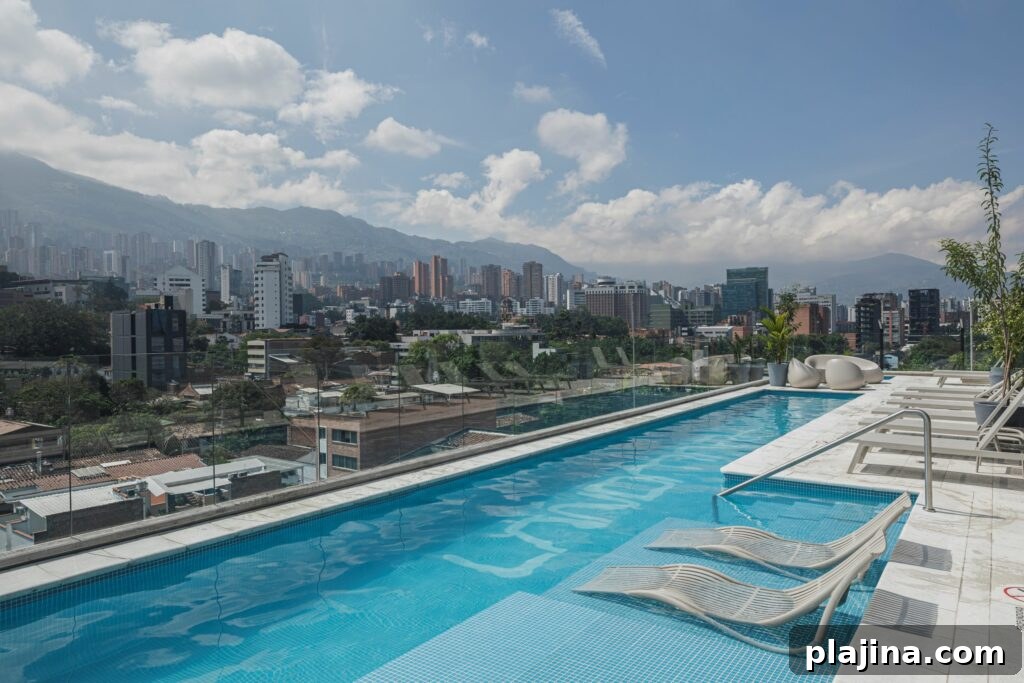
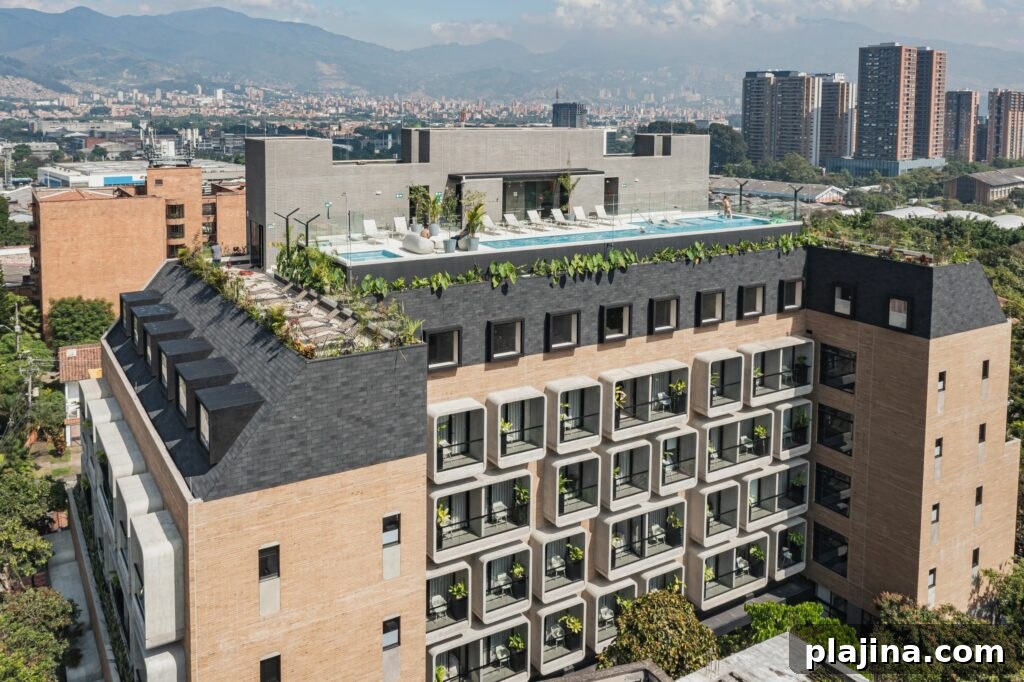
One of the newer boutique openings is the 84-room Landmark Hotel in the city’s technical zone. The five-story property features a rooftop pool and terrace with recreation spaces. Rooms occupy the first three levels as single-floor units, while the top two levels offer duplex-style accommodations. Designed by Plan:b arquitectos, the building uses traditional Medellín materials—exposed brick and concrete—and a shaded façade suited to the tropical climate. The hotel sits about an eight-minute walk from Parque de El Poblado, a lively square with food stalls, artisan vendors and many bars and restaurants. Seasonal rates in December often start around $85.
Landmark Hotel © Alejandra Arango
Another highlight for culture and architecture is the Medellín Museum of Modern Art. Known for its distinctive design and strong holdings of Colombian art, the museum combines indoor galleries with outdoor terraces that overlook the city. It also hosts a Museum Cinema and a public plaza that frequently serve as venues for cultural and community events. Admission is modest, making the museum accessible to a broad audience.
Medellín’s creative spirit is visible in its streets and public spaces. Renowned artists such as Medellín-born painter and sculptor Fernando Botero and a new generation of urban artists contribute to a vibrant arts scene. Traditional figures like the silleteros—flower growers who carry elaborate floral displays down from the misty mountains—remain an essential part of the city’s identity. Musically, Medellín is a lively center for reggaeton, which blends hip hop, salsa and reggae, alongside thriving tango and salsa scenes. The city’s commitment to creativity was recognized when it became the first Colombian member of the UNESCO Creative Cities Network, joining other cities worldwide that prioritize cultural innovation.