
Excavations have recently begun near present-day Mersin in southern Türkiye, revealing the ancient port of Soli Pompeiopolis. Led by Professor Dr. Remzi Yağci, head of the Museology Department at Dokuz Eylül University, the project aims to uncover one of the Eastern Mediterranean’s most significant historical harbors and to clarify its connection to the city’s colonnaded main street.
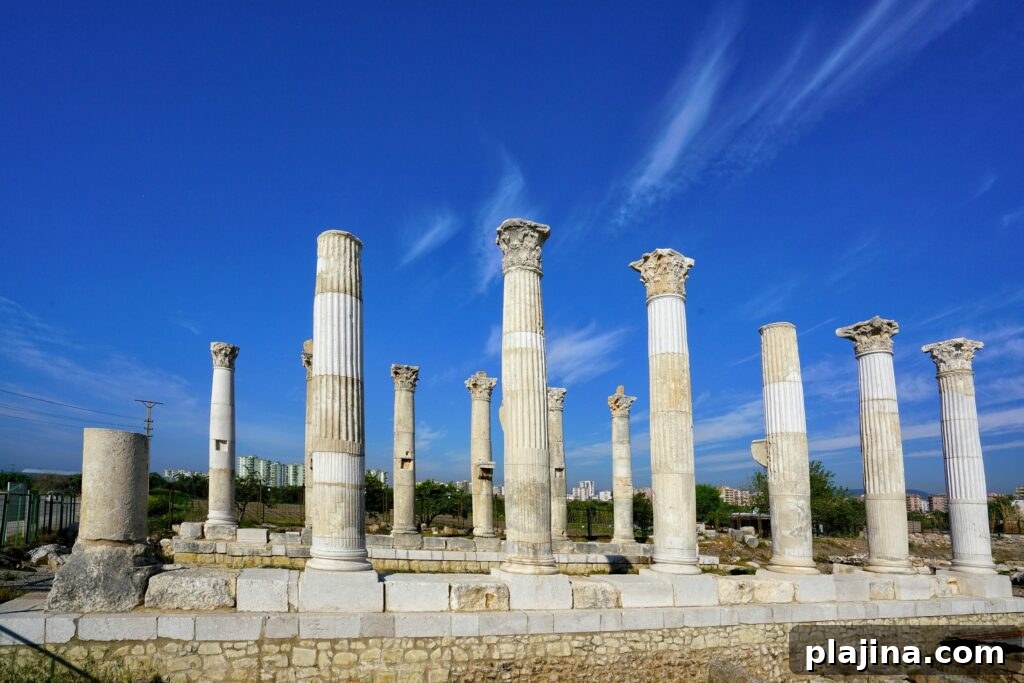
© Go Türkiye
Originally founded by the Rhodians, the settlement later took the name Soli Pompeiopolis in honor of the Roman general Pompeius, who restored the city after Hellenistic rule ended. Historical evidence indicates that Emperor Hadrian offered substantial financial support for the construction of the port, contributing to its reputation as one of the most impressive and busiest harbors in the Roman Empire.
Historical records date the port to the second century, placing its origins at roughly 1,800 years ago. During its peak under Roman administration, especially between 130 and 525 AD, the port was a major commercial and naval hub for the region, generating significant economic activity. After a devastating Cilician earthquake, Soli Pompeiopolis was largely abandoned and became buried by sediment and debris. Archaeologists believe that a theater, a bathhouse and a necropolis may still lie concealed beneath those layers.
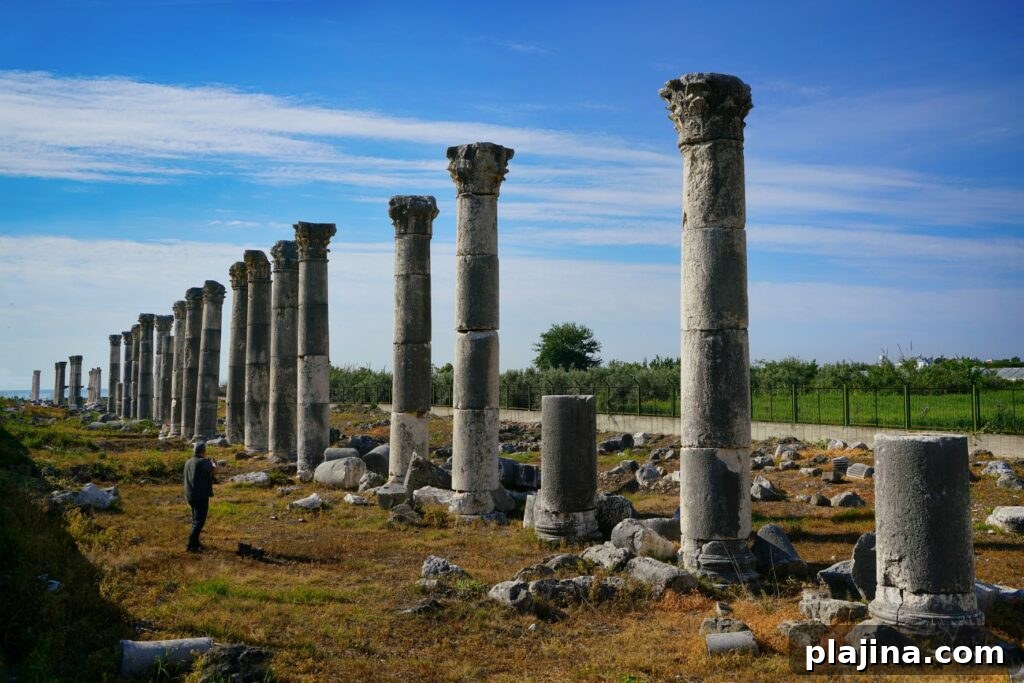
© Go Türkiye
The current excavations are acting as a catalyst for uncovering additional elements of the ancient city and add important layers to Türkiye’s cultural and historical record. Türkiye hosts numerous UNESCO-recognized locations that document the long arc of human civilization, including pre-Neolithic sites in the Taş Tepeler region of southeast Anatolia (Şanlıurfa).
Visitors can view parts of the Soli Pompeiopolis excavation, although access to some zones is restricted to protect the site and ongoing work. In addition to Soli, many other ancient sites across Türkiye are accessible for those interested in archaeological history and cultural heritage.