
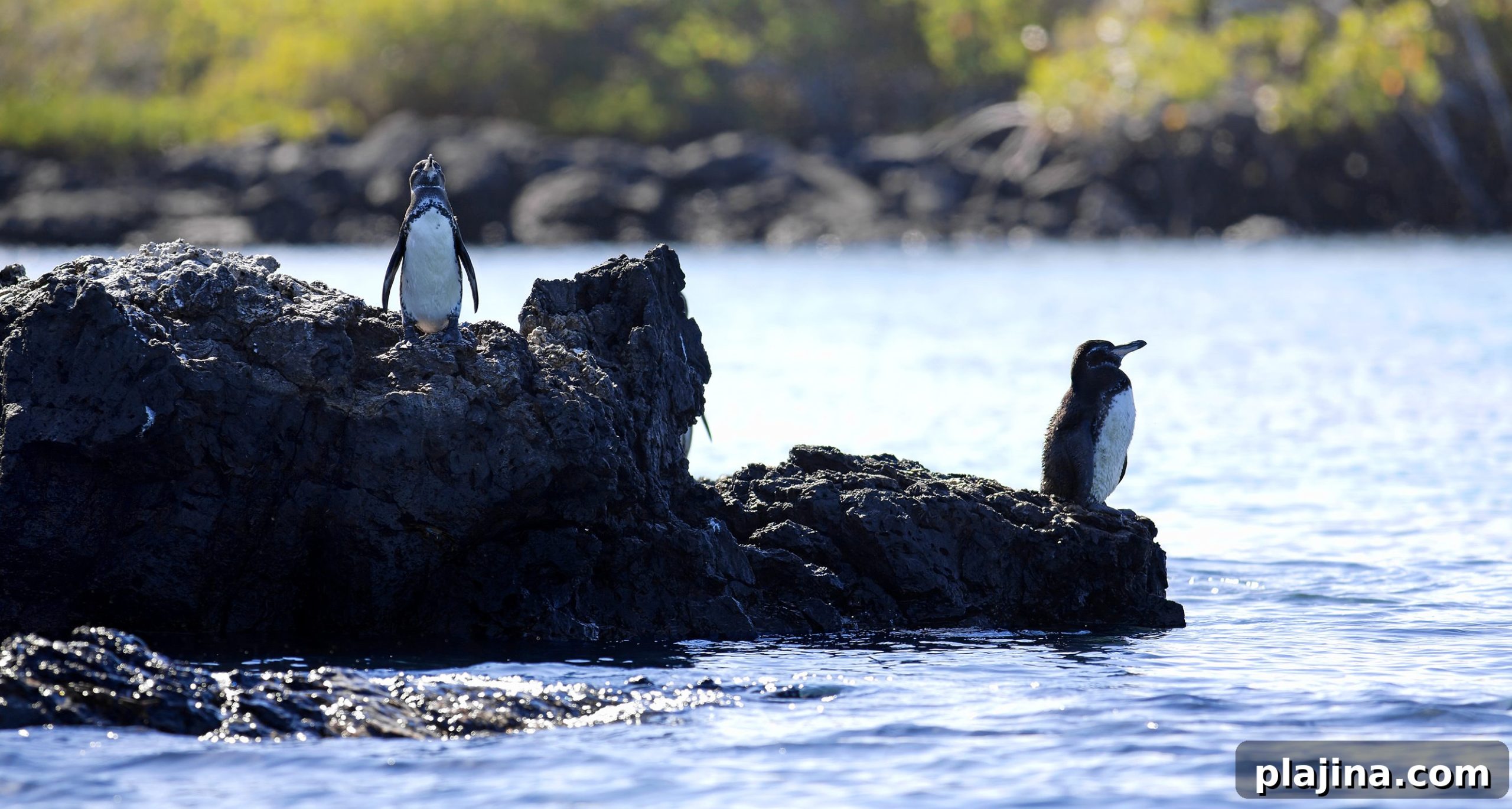
Charles Darwin developed his theory of natural selection and evolution while exploring the Galápagos Islands in 1835. As he examined the islands’ diverse plants, animals and geological features, he collected observations and specimens that later became central to his ideas about how species change over time. Although Darwin did not immediately recognize the full implications of his findings, the patterns he recorded—such as variations among finches on different islands and adaptations to distinct environments—helped him formulate the concept of natural selection.
Darwin’s time in the Galápagos was a pivotal episode in the history of science. The islands’ relative isolation and variety of habitats offered a natural laboratory for observing how species diverge and adapt. He noted that closely related species often displayed subtle but important differences depending on the island they inhabited, suggesting that geographic separation and environmental pressures could drive evolutionary change.
After returning to England, Darwin spent years analyzing his notes, comparing specimens and consulting other naturalists. This careful study, combined with later evidence and theoretical developments, culminated in the publication of On the Origin of Species in 1859. The book proposed natural selection as the mechanism by which species evolve: individuals with traits better suited to their environment are more likely to survive and reproduce, passing those traits to future generations.
Today, visitors to the Galápagos can follow in Darwin’s footsteps, observing firsthand the rich biodiversity that inspired his work. The islands remain a crucial site for research in ecology and evolution, with scientists continuing to study how species adapt to changing conditions and how human activity affects fragile island ecosystems. Conservation efforts aim to protect endemic species and preserve the natural processes that have shaped the Galápagos over millennia.
Understanding Darwin’s journey and the evidence he gathered underscores the importance of careful observation, collection, and comparison in scientific inquiry. The Galápagos story also highlights how a single field expedition can have far-reaching implications, influencing how we understand life on Earth and informing ongoing efforts to conserve biodiversity in a changing world.