
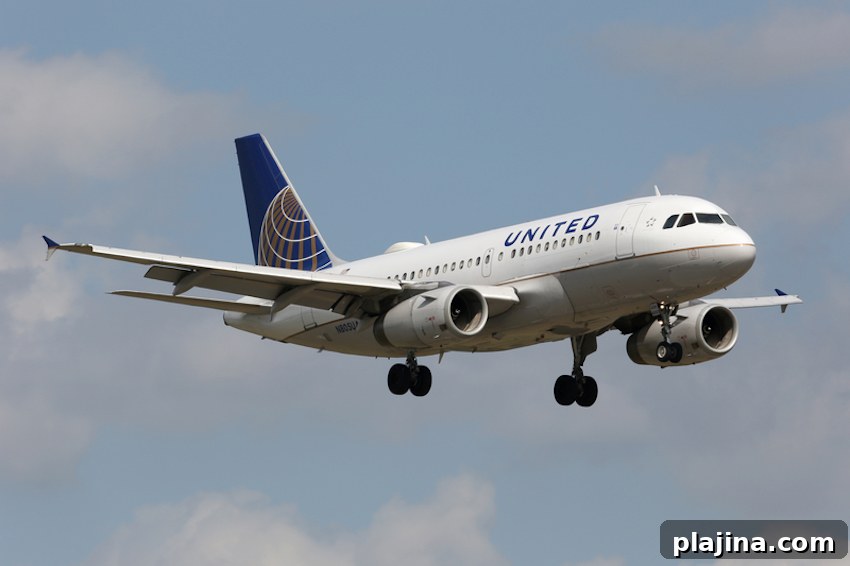
United Airlines has renewed its contract with World Energy, reinforcing the airline’s commitment to sustainable operations. World Energy, based in Boston, supplies certified sustainable aviation biofuel made from agricultural waste. United currently uses this biofuel on all flights departing its Los Angeles (LAX) hub, which cuts lifecycle greenhouse gas emissions by about 60 percent compared with conventional jet fuel.
This renewed agreement builds on United’s long-term focus on reducing aviation’s environmental impact. The airline was among the first to make sustainable aviation biofuel part of its regular fuel supply, starting continuous use in 2016, and remains the only U.S. carrier to incorporate such biofuel into routine operations at scale. That practical, ongoing use demonstrates a corporate strategy that emphasizes measurable emissions reductions rather than one-off initiatives.
United’s sustainability efforts extend beyond sustainable fuel. The airline has implemented aerodynamic enhancements across its fleet by adopting Boeing’s Split Scimitar winglets on nearly 400 aircraft, a modification that reduces fuel burn by roughly 2 percent per flight. While a single-digit percentage may sound modest, across thousands of flights this efficiency improvement translates into substantial fuel savings and associated emissions reductions over time.
In its in-flight service and materials choices, United has worked to eliminate single-use, non-recyclable plastics and replace them with more sustainable alternatives, such as bamboo-based products. This reduces plastic waste created by onboard service items and supports a lifecycle approach to materials selection that considers disposal and recyclability.
On the ground, United has prioritized electrification where feasible, replacing diesel and gas-powered ground support equipment with electrically powered machines whenever operationally and economically viable. Electrifying ground operations reduces direct emissions at airports and lowers local air pollution, contributing to cleaner environments around busy hubs and terminals.
United has also taken steps to reduce waste and support communities through creative reuse of onboard items. The airline became the first U.S. carrier to repurpose international premium cabin amenity kits by donating usable hygiene products to people in need through a partnership with Clean the World. This program diverts materials from the waste stream while helping support global public health efforts.
Across all of these initiatives, United’s renewed World Energy contract highlights a central theme: combining practical operational changes with sustainable supply chain choices to achieve measurable environmental benefits. By continuing to source certified sustainable aviation biofuel and applying efficiency upgrades fleetwide, the airline aims to lower its carbon footprint while maintaining safe, reliable service for passengers.
United’s mix of strategies—fuel substitution, aerodynamic and operational efficiency, materials substitution, ground electrification, and community-minded recycling—illustrates a multi-pronged approach to sustainability in aviation. Each element plays a role: biofuels can reduce lifecycle emissions significantly; aerodynamic improvements and operational changes reduce fuel consumption in flight; materials and waste programs reduce landfill contributions; and electrified ground equipment lowers pollution at airports. Together, these efforts contribute to long-term reductions in environmental impact.
Renewing the partnership with World Energy marks another step in United’s sustainability journey, supporting the airline’s broader goals for emissions reductions and responsible resource use. As aviation seeks pathways to lower-carbon operations, continued investment in certified sustainable fuels and complementary measures across the airline’s network will remain key components of industry progress.