
It is late afternoon on the streets of Nadi, Fiji’s third-largest city, and horns are blaring. A long line of traffic waits as a barefoot boy in a Nike shirt leads a fat, brown cow by a rope through an intersection.
Taxi drivers tap their fingers on the sides of bright yellow cabs, feigning irritation with both boy and cow while smiles tug at their lips. Teenagers grin as they dodge cars to watch the scene, and stout women in colorful skirts roll their eyes good-naturedly as they patrol the sidewalks, inviting passersby to pause and explore. “Come,” they say in clear English, “Come eat at my restaurant. Come shop in my store. You want a necklace? A dress? I have the perfect thing for you, right this way. Come with me.”
This urban snapshot is far from the postcard image many imagine when picturing a tropical escape to Fiji: glittering beaches, crystal-clear waters, impeccably manicured resorts and the powdery white sand that squishes between your toes.
Those idyllic scenes are here too. What sets Fiji apart is its bula spirit — a warm, energetic friendliness that radiates from the islanders who call this nation home. Whether you seek pampering, partying, shopping or adventure, Fiji offers something for every traveler, and locals are eager to help you find it.
It’s easy to understand the allure: countless celebrities retreat to Fiji’s beaches; films like Blue Lagoon and Cast Away were shot here; a season of Survivor was filmed on its islands. Fiji’s reputation as an earthly paradise is well earned.
Legend says Fiji was first settled when Chief Lutunasobasoba led his people across the ocean to this distant land. Once labeled the Cannibal Isles, early Fiji gained a harsh reputation. By the early 19th century, the islands hosted shipwrecked sailors, escaped convicts from Australia, missionaries and traders. European influence grew, Christianity spread, and practices of ritual cannibalism faded.
In 1874 Great Britain established control over Fiji, and soon after indentured laborers from India arrived to work sugar plantations. Today, people of Indian descent comprise nearly 40 percent of Fiji’s population, and their cultural influence is noticeable. Walk through Lautoka, near Nadi, and sari shops and samosa stalls give the streets a distinctly South Asian flavor that can surprise first-time visitors.
Entering the 21st century, Fiji balanced a thriving sugar industry with a steady flow of tourists, drawing hundreds of thousands each year. Since gaining independence in 1970, the country has faced political challenges, including military coups that typically occur in major urban centers — far from the tranquil beaches most tourists visit.
Still, travelers keep Fiji on their wish lists. Honeymooners, families seeking resort relaxation, and professionals craving a remote escape all find Fiji an irresistible backdrop for their plans.
Get Pampered
Imagine lying face down on a massage table on the beach, draped in a soft sheet while a skilled therapist kneads the knots from your shoulders. A warm breeze brushes your skin, palms sway gently nearby, and the sound of the surf helps steady your breathing as tension melts away.
Fiji is celebrated for its soothing, artful spa experiences set in serene surroundings. At Pure Fiji Spa in Suva, guests symbolically step over running water to leave their worries behind, then surrender to treatments like a coconut milk foot soak or a dilo-butter detox wrapped in banana leaves.
On Vanua Levu, the Jean-Michel Cousteau Fiji Resort offers distinct Fijian therapies: the four-handed Duavata massage with two synchronized therapists, and the traditional Bobo healing massage, which uses tropical oils and rhythmic strokes to ease stress. Each treatment captures the island’s calming essence and the local tradition of sending anxieties away.
Get Wet
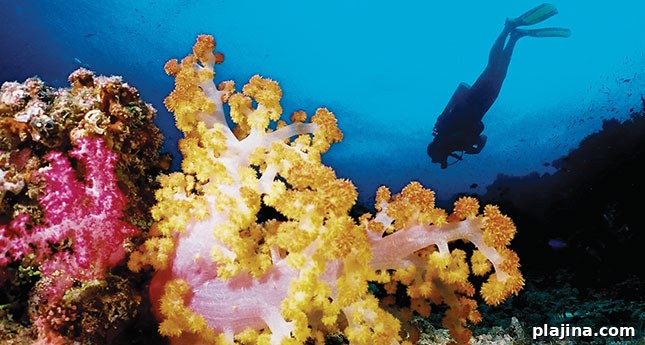
No visit to Fiji is complete without testing the clear aquamarine water. It’s warm enough to invite you in yet refreshingly cool — the ideal balance for swimming, snorkeling, diving and water sports year-round.
Visibility often exceeds 90 feet, revealing vivid marine life and vast gardens of soft coral that earned Fiji the title Soft Coral Capital of the World. Surf enthusiasts find world-class breaks and uncrowded shores, while calmer lagoons suit families and casual swimmers.
For more active pursuits, try sailing, waterskiing or whitewater rafting. For a gentler adventure, glide along a river in a bilibili bamboo raft, a long, flat craft guided by a standing rower, offering a relaxed way to observe riverside life.
Soak Up the Sun
Picture yourself on a cushioned chaise by the shore with a mai tai in hand and coconut oil on your skin, a friendly Fijian strumming a guitar nearby while someone arranges fragrant orchids.
Choose the beach that fits your mood: the Mamanuca islands for white sand and clear water; Denarau Island near Viti Levu for family-friendly, all-inclusive resorts; or the Yasawa islands for dramatic volcanic coastlines and rugged panoramas. With more than 300 islands, Fiji has a beach to match nearly every preference.
Experience the Local Culture
Participating in a kava ceremony is a memorable way to connect with Fijian culture. Kava, made from the root of Piper methysticum, is served in wooden bowls inside a bure (thatched hut). Drink it in one gulp, then shout “Bula!” to show appreciation. If kava isn’t for you, try a locally brewed Fiji Bitter alongside a traditional feast of coconut, seafood, rice, cassava, breadfruit and sweet potatoes.
To see contemporary island life, spend a day in a city market and savor the spices, colors and lively vendor calls. For a glimpse of Fiji’s past, visit Navala Village in Viti Levu’s highlands to see an authentic community of traditional bure huts.
Wherever you go in Fiji, the blend of relaxed island living and vibrant culture rewards those who step off their chaise lounge to explore.
Info to Go
Nadi International Airport (NAN) handles the majority of international arrivals. The ride to Nadi Town is roughly five miles and typically takes 10–15 minutes by taxi; confirm the meter is used. Inter-island travel is best arranged by small charter flights or sea catamarans, which many hotels can organize.
Diversions
Fiji’s diverse population includes Christians, Hindus and Muslims and people of Polynesian, Melanesian, Indo-Fijian, Asian and European heritage, so festivals and religious observances occur year-round.
New Year’s celebrations begin on Jan. 1 and may extend for days. Holi, the Hindu Festival of Colors, takes place in February or March and features lively color-throwing in public spaces. Diwali, the Festival of Lights, arrives in October or November with candles and oil lamps. Fiji Day on Oct. 10 commemorates independence, often celebrated with Fiji Week and cultural events.
Late May marks Ratu Sukuna Day, honoring a key figure in Fiji’s history, and June 15 is observed as the birthday of Queen Elizabeth II in the Commonwealth tradition. Muslim holidays follow the lunar calendar and include Eid-al-Fitr and Eid-al-Adha, with communal prayers and family visits. The Prophet Muhammad’s birthday is a public holiday.
Lodging
Radisson Resort, Fiji Denarau Island — Convenient oceanside location minutes from Nadi airport, ideal for island-hopping excursions. Resort Drive, Denarau Island.
Turtle Island Resort — An exclusive, intimate escape catering to couples, with personalized service and private coves.
Vatulele Island Resort — All-inclusive island retreat with stunning scenery and world-class diving, focused on relaxation and natural beauty.
Dining
Banyan Restaurant — A refined blend of European and Pacific Rim cuisine that adapts to the freshest local ingredients.
Daikoku — Japanese restaurant known for fresh fish and standout teppanyaki shrimp.
Saffron Tandoori — Popular Indo-Fijian spot serving classic tandoori dishes and hearty flavors.