
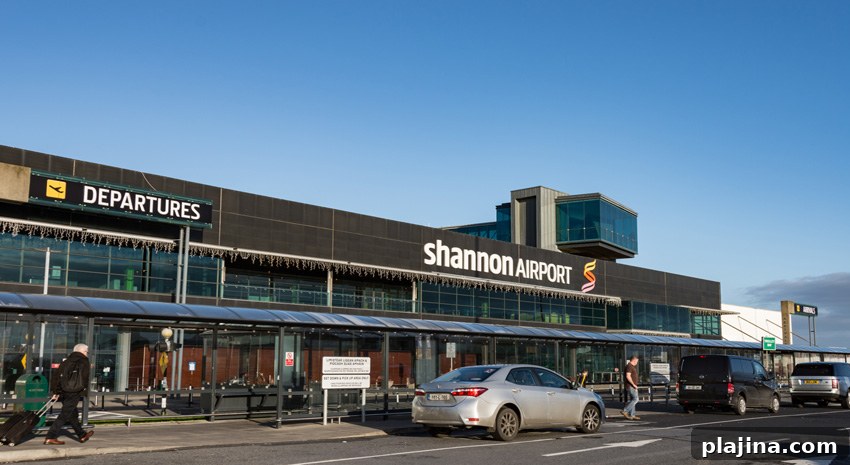
Last month, Ireland’s Shannon Airport became the first airport in Europe to open a multisensory room designed for passengers with neurodevelopmental conditions such as autism. Located near the departure lounge, the room offers calming features including an aquatic bubble tube, an undulated wavy wall, color‑changing LED lighting and a wheel projector to create a soothing, low‑stress environment.
At the room’s opening, Niall Maloney, Shannon Airport’s director of operations, encouraged other airports in Ireland and internationally to take proactive steps to accommodate travelers with autism and related needs.
“I’m both delighted and proud that an Irish airport, Shannon Airport, is the first to introduce a sensory room in Europe,” Maloney said. “This addition, together with last year’s hats and wristbands initiative, reflects Shannon’s commitment to looking after passengers and supporting customers with autism and special needs.”
Shannon’s multisensory room is part of a wider trend among airports to provide alternative services and facilities for travelers with sensory sensitivities. Vancouver International Airport, for example, has a program that helps staff and crew identify passengers who may need additional assistance by placing a special sticker on boarding passes. Hartsfield‑Jackson Atlanta International Airport opened a multisensory room last year in partnership with Delta Air Lines on Concourse F; that space includes a mini ball pit, a bubbling water sculpture, a tactile activity panel and other calming activities for children before or after a flight.
Many airports also offer quiet rooms or similar low‑stimulus spaces that reduce sensory overload. London Heathrow introduced a quiet room in 2013, and Myrtle Beach International Airport added a quiet space in its baggage claim area the following year. These rooms give passengers a place to relax away from the busy terminals and loud announcements.
Beyond dedicated rooms, numerous North American airports take part in annual practice travel events that help children with autism and their families prepare for flying. Developed in cooperation with the advocacy group The Arc’s Wings for Autism, these dry‑run programs familiarize families and Transportation Security Administration staff with the travel process and promote better interactions with passengers who have special needs. The goal of such initiatives is to reduce anxiety, build confidence and make air travel more accessible and comfortable for everyone.