
U.S. airlines are facing growing competition from European low-cost carriers on trans-Atlantic routes.
According to reporting from Bloomberg, American Airlines Group experienced a 9.1 percent decline in trans-Atlantic fares, marking the largest drop since the end of the 2009 recession. Delta Air Lines reported a similar decline in average fares, signaling a broader trend across major U.S. carriers.
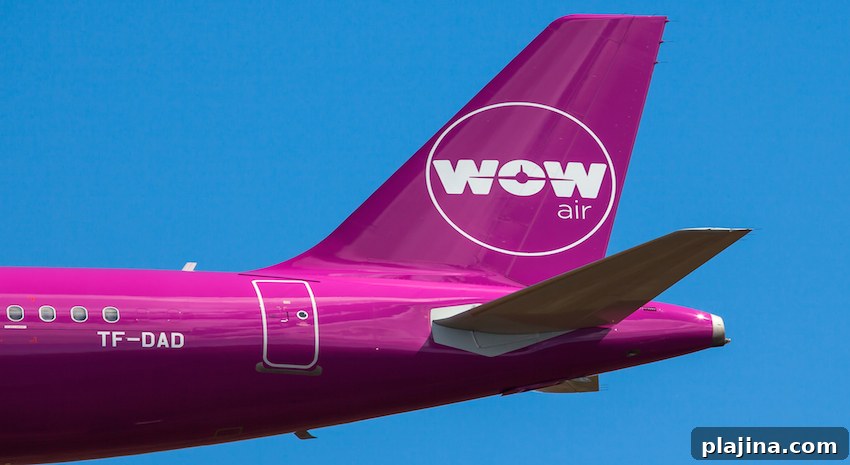
Low-cost European carriers such as Norwegian Air Shuttle and Iceland’s WOW air have been rapidly adding trans-Atlantic flights, entering U.S. markets and expanding seat capacity. That surge in available seats is putting downward pressure on ticket prices, forcing legacy carriers to contend with thinner margins on these routes.
American Airlines cited competition from these budget airlines as a key factor behind a recent second-quarter drop in average fares per mile. Delta also pointed to the impact of European low-cost entrants when explaining its own fare declines. These pressures come on top of ongoing domestic competition from ultra-low-cost carriers like Spirit and Frontier, further squeezing profitability for legacy carriers.
One likely industry response is the expansion of basic economy fares to long-haul international flights. Basic economy options, already familiar to many domestic flyers, typically strip out perks such as advance seat selection, upgrades, and flexible ticketing. Extending these no-frills price points to trans-Atlantic services would give legacy carriers a competitive tool to match lower-cost competitors on headline fares while preserving higher-priced options for passengers who want more flexibility and amenities.
For travelers, the continued entry of European budget airlines into trans-Atlantic markets means more choices and often lower prices, but it also increases the importance of carefully comparing fare rules, baggage allowances, and included services. While a basic economy ticket can offer significant savings, the restrictions—no seat selection, limited or no checked baggage, and fewer opportunities to change or upgrade—can make the total cost and experience less straightforward than the initial fare suggests.
U.S. carriers must balance responding to price competition with maintaining service levels and profitability. Expanding basic economy to international routes is one strategic move that preserves a differentiated product mix: premium and main-cabin fares for passengers who value flexibility and comfort, and stripped-down fares for price-sensitive travelers. How effectively legacy carriers execute that strategy will influence their ability to compete with nimble low-cost entrants on trans-Atlantic routes without eroding overall revenue and customer satisfaction.