
The arriving delegates are inheritors of an old local tradition: they gather in purpose-built venues in the city, along the Indian Ocean or out in the African bush. Despite bringing the paraphernalia of the modern world, they are essentially doing what Zulu tribesmen have done for centuries—coming together to exchange news and conduct business. The Zulus have a word for it: indaba.
Today this activity falls under the MICE umbrella—meetings, incentives, conventions and exhibitions—but the essence remains a convergence of people at a particular place and time. For many international delegates that place is Durban.
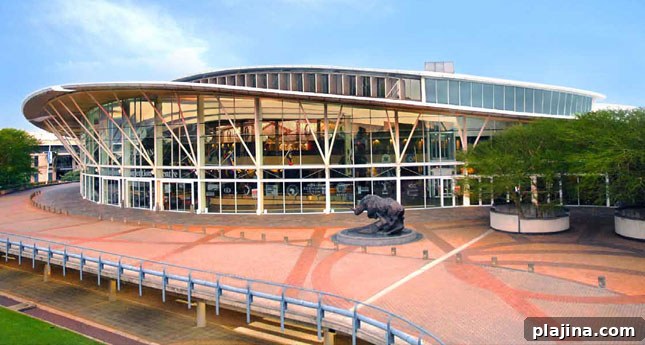
Durban’s most important venue is the Durban International Convention Centre, which opened in 1994 as one of the major post‑apartheid projects in South Africa. Regularly recognised by the World Travel Awards as one of Africa’s top conference centres, the venue has total public space of 75,000 square feet and capacity for up to 10,000 people. It has hosted high-profile global events including the Commonwealth Heads of Government Meeting (1999), the International AIDS Conference (2000 and 2016), and the Intergovernmental Panel on Climate Change meeting in 2011, as well as meetings of the International Olympic Committee and FIFA.
The Durban ICC’s flagship annual event is INDABA, the world’s third-largest travel trade show held each May. With thousands of exhibitors promoting tourism across southern Africa and beyond, INDABA highlights the region’s cultural and natural attractions and plays a major role in attracting inbound tourism.
For delegates, convenient accommodation is close to the ICC. The Hilton Durban, a high-rise hotel adjacent to the venue, is a popular choice. Visitors should, however, exercise normal urban caution in downtown Durban: keep phones and valuables out of sight, seek local advice about areas to avoid, and avoid walking alone at night.
A few blocks from the ICC lies the Golden Mile, Durban’s celebrated beachfront. Two blocks from the shore sits the Olive Convention Centre, a flexible venue with a main auditorium seating 1,350 and several smaller rooms. The Olive’s exhibition hall can even be converted into an ice rink, offering a distinctive setting for corporate events.
At the northern end of the Golden Mile, Suncoast is an Art Deco hotel, casino and entertainment complex set in private gardens with direct beach access. Its conference centre provides two multipurpose function rooms—one seating up to 175 delegates and another accommodating up to 400.
At the opposite end of the Golden Mile, uShaka Marine World combines a world-class aquarium and water park with corporate options such as team-building activities around waterslides and events in the Cargo Hold Restaurant, which looks out into the shark tank through huge viewing windows.
Also on the Golden Mile, the Southern Sun Elangeni & Maharani Hotel offers ocean views from all 734 guestrooms and a versatile range of meeting rooms configurable for groups from 12 to 500 delegates. The Sky Venue on the 31st floor of the Maharani Tower provides a dramatic setting for receptions and presentations, with particularly memorable sunset views.
Durban’s growing MICE sector has generated wider tourism benefits: an estimated 30–40 percent of MICE delegates either combine business travel with leisure while in South Africa or return later on private vacations.
A short drive up the coast, Umhlanga has developed its own MICE offerings, with luxury beachside hotels providing corporate facilities. The Oyster Box, Umhlanga’s iconic hotel beside a traditional lighthouse, blends classic charm with contemporary comforts and can host conferences for up to about 150 delegates, although its 86 guestrooms mean some participants must stay elsewhere.
Next to The Oyster Box stands the distinctive pink Beverly Hills Hotel with 89 rooms and facilities for meetings of up to 60 people. Plans for expansion aim to increase capacity and enhance conference services in the coming years.
Inland from Umhlanga, amid rolling sugarcane fields, the Sibaya Casino and Entertainment Kingdom draws on Zulu inspiration in its design. Its Imbizo Conference Centre accommodates up to 800 people, while the resort also offers a 575-seat theatre, smaller meeting rooms and an outdoor boma—a traditional gathering space for up to 250 attendees.
The KwaZulu‑Natal hinterland is easily reached from Durban and Umhlanga, and an increasing number of properties there cater to MICE tourism, offering a range of scenic backdrops: wildlife reserves, historic battlefields and rugged mountain scenery.
Duma Manzi Eco Lodge, about a 75‑minute drive from Durban, lies within a private, malaria‑free nature reserve of some 12,355 acres where leopard, buffalo, giraffe and zebra roam. Small-group conference packages (typically five to 18 people) can include team-building options such as mountain biking and archery.
Fugitives’ Drift Lodge, close to the famous battlefields of Rorke’s Drift and Isandlwana—sites featured in the films Zulu and Zulu Dawn—offers intimate meeting space such as the Harfield Library, suitable for retreats and think-tanks of up to around 34 guests.
For a more dramatic mountain setting, the Drakensberg range—about two and a half hours from Durban—provides cooler air and a tranquil retreat environment ideal for conferences and executive getaways. Cathedral Peak Hotel, a longstanding mountain resort dating back to 1939, offers five conference rooms seating up to 200, alongside recreational options including golf on a nine‑hole course, horse trekking, hiking and climbing.
Across Durban, Umhlanga and the surrounding region, a diverse selection of venues ensures that MICE organisers can find settings that match their event style—urban convention centres, beachfront resorts, cultural complexes or remote wilderness lodges—each offering distinctive experiences and professional conference facilities.