
When a small country hosts nearly 1,000 bird species, spotting bright, beautiful birds in the trees is commonplace. But seeing four resplendent quetzals in a single tree only a hundred feet away is extraordinary. I set out on a hike hoping for wildlife and returned with a once-in-a-lifetime experience.
Panama is best known for its booming capital, where skyscraper construction is a constant soundtrack and the soon-to-be-expanded Panamá Canal lies a short drive away. The country is also adding notable attractions: the Museum of Biodiversity by Frank Gehry and a subway system intended to ease the city’s notorious traffic. Yet most business travelers passing through Tocumen International Airport miss the country’s rich natural offerings.
Many visitors assume Costa Rica has the market cornered on tropical nature, but Panama offers much of the same—rafting, ziplining, snorkeling, scuba diving, fishing and bird-watching—often with fewer crowds. Its diverse ecosystems, from Pacific and Caribbean coasts to cool highlands, support abundant flora and fauna without the heavy tourist traffic found elsewhere.
My journey out of Panama City begins with a short flight to David in Chiriquí. The Air Panama flight is surprisingly modern and quick. A driver hustles us away from the airport, remarking that Boquete has around 65 restaurants while nearby David has only five worth mentioning. “All the rest are fast food,” he says.
Boquete didn’t become a culinary hub because of tourists alone. It’s a favorite destination for American and Canadian retirees attracted by its perpetual spring climate, clean air and plentiful local produce and coffee. Rich volcanic soils mean nearly everything planted thrives. Much of the country’s fresh produce and export coffee comes from this region. Markets brim with colorful fruits, vegetables and year-round flowers.
I settle into Valle Escondido Resort, where creeks run through the property and flowering bushes scent the air. The resort sits beside a ridge, with homes lining the riverbanks and the grounds surrounding a golf course—an idyllic base for exploring the region.
Early the next morning I hike with John Tornblom of Boquete Custom Tours. He knows the web of trails that crisscross the hills around town, and today we head to Volcán Barú, Panama’s highest peak at 11,398 feet, to tackle the famed Quetzal Trail.
The trail spans about eight miles, with steep sections that cross several microclimates between 6,200 and 8,200 feet. Guided groups have the best chance to encounter the trail’s namesake; solo hikers almost never see them. Nothing is guaranteed, but John’s confidence keeps my expectations positive. We pass orchids, butterflies and a dramatic volcanic peak set against blue sky.
As we climb, John suddenly freezes and whispers, “Listen—that’s a quetzal.” At first it’s distant, but when John answers with a practiced whistle, the male bird perceives an intruder and eventually reveals itself. A few minutes later a quetzal lifts from its hidden perch, circles above and even flies right over us.
Male resplendent quetzal © istockphoto.com
“There you go—the resplendent quetzal,” John murmurs. He casually adds that we’ll probably see others. Half an hour later, he halts me and points to darker shapes in the canopy. We edge closer in silence and discover four quetzals—males with long tail feathers and yellow beaks, females with subtler coloring. I click away at maximum zoom while John sets up his scope for a clearer view.
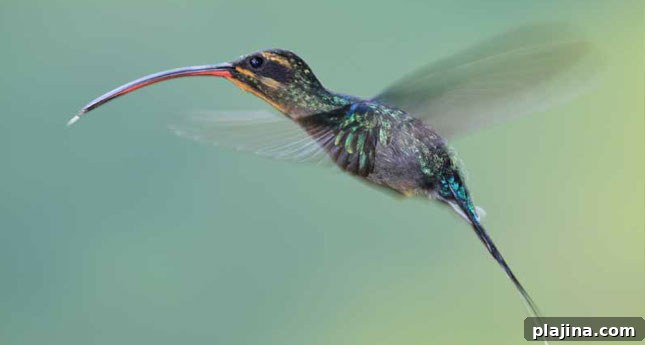
Our luck continues: we later find a three-wattled bellbird, a clear-winged butterfly and a green hermit hummingbird. John even points out jaguar tracks in the mud. Despite his youthful appearance, he’s an expert guide with the patience and knowledge to find elusive wildlife. On one memorable trip a skeptical client offered John $50 per quetzal as a joke; they soon found 16 birds in a single tree. John refused the payment and gently admonished the man for his doubt.
The next day I ride in the back of a truck along a bumpy road to Boquete Tree Trek for a thrilling zipline course that crosses 14 platforms through the canopy. The course borders fields of coffee, including plants producing prized Geisha beans, and lies at the edge of La Amistad Park, a vast wilderness shared by Panama and Costa Rica.
Boquete Tree Trek caters to adrenaline-seekers and first-timers alike. The initial lines are slower and easy, with guides able to moderate speed using a braking system. The final line delivers riders into a new landing structure where they can remove safety gear and enjoy a meal at the onsite restaurant with sweeping views.
I savor plenty of excellent coffee in Boquete and visit Finca La Milagrosa, a unique coffee farm owned by Don Alfredo. An award-winning producer, he built much of his processing equipment from spare parts—washing machines, motorcycles and old spotlights—because he couldn’t afford commercial machines when he started. Those homemade contraptions still work well, a testament to practicality and ingenuity.
Roasting coffee beans © Tim Leffel
After returning to Panama City, I travel down the coast with PTY Safety Shuttle & Tours and switch from highlands to surf. Santa Catalina is a world-class surf town known for powerful 20-foot waves and perfect tubes, popular among experienced surfers across Central America. Our main objective, however, is remote Coiba Island, reached by boat some 37 miles offshore.
Coiba is a pristine island wilderness that was once a penal colony. Today it is a protected area where researchers conduct long-term studies; a few rustic rooms adjoin the research facility for visitors. We choose to stay in Santa Catalina for more comfort, but spend days walking island trails, observing lizards, seabirds and hermit crabs, and snorkeling among vibrant reefs. We spot sea turtles, colorful reef fish and a school of porpoises on our return trip.
Back in Panama City, the economy hums and development continues, but the country’s two coasts and cool highlands make it easy to escape the urban buzz. Whether you seek wildlife-rich cloud forests, thrilling ziplines or remote marine sanctuaries, Panama offers adventures where animals often outnumber people.
INFO TO GO
Tocumen International Airport (PTY) has direct flights from multiple U.S. cities as well as Toronto, Amsterdam and Madrid. Domestic flights to David and other destinations depart from Albrook Marcos A. Gelabert Airport (PAC) near the city center.
Read more about Panamá’s medical insurance for visitors.