
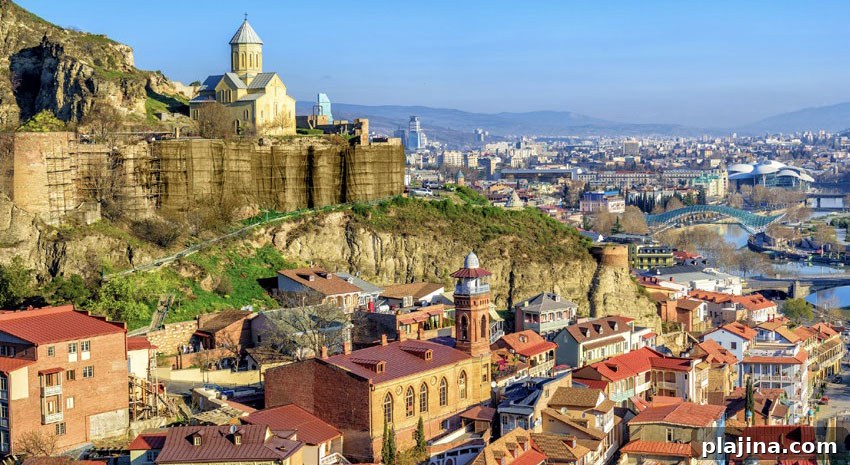
Not long ago, a trip to the ancient city of Tbilisi usually began with clarifying to friends and family that this was the country, not the U.S. state, of Georgia. Today, travelers flock to this Eurasian capital to explore its varied landscape, rich history and vibrant cultural scene.
Perched between Eastern Europe and Western Asia, Tbilisi has been shaped by centuries of changing rulers and cultures. Kurds, Persians, Russians, Jews, Armenians and Europeans have all left traces on the city, and in recent years locals have blended those influences into a lively, contemporary atmosphere.
Once weighed down by eight decades of Soviet rule followed by a bumpy transition to independence, Tbilisi now stands confidently on its own. Many Soviet-era buildings remain but have been thoughtfully repurposed into chic hotels, nightspots and artist lofts. One standout example is the Stamba Hotel, which occupies a former publishing house. There, Brutalist exteriors meet warm, creative interiors: long corridors, large warehouse windows and design touches by the local studio Adjara Arch Group create an industrial yet inviting feel.
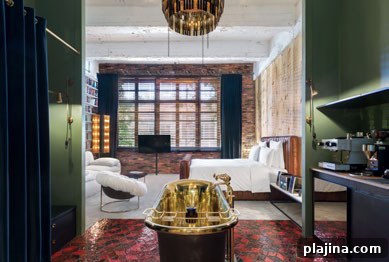
The Stamba Hotel suite © DESIGN HOTELS™
Located in the quiet, historic Vera district—known for hidden gardens and green courtyards—Stamba draws creative locals and visitors with spacious outdoor areas, an open co-working space and the theatrically designed Pink Bar. The hotel also houses a bean-to-bar chocolaterie, a roastery and an Art Deco café popular with both guests and neighbors.
Originally 42 rooms (with plans to expand), Stamba’s guestrooms celebrate the building’s past: exposed brick, industrial finishes and floor-to-ceiling bookshelves. Room options range from the 560-square-foot Aviator Room to the 850-square-foot Aviator King and the lavish Aviator Suite, which includes a separate living area and a gilded freestanding bathtub. Aviation-era details, such as bomber-jacket leather headboards and metallic accents, give the suites a nostalgic, glamorous flair.
Throughout the hotel you’ll spot nostalgic printing equipment and other reminders of its publishing history. The property wraps around a central courtyard—a green, five-story living room—beneath a rooftop pool with a glass-bottomed section. Stamba connects to Rooms Hotel Tbilisi, another popular venue in the neighborhood, whose restaurant The Kitchen serves seasonal, communal-style dishes ideal for families and groups.
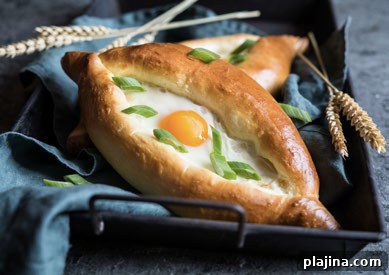
Khachapuri © EVA ZIATKOVA – DREAMSTIME.COM
While many Georgians enjoy American-style fare—burger joints and casual international spots are busy—traditional Georgian cuisine remains central to Tbilisi’s food scene. Two must-try dishes are khachapuri and khinkali. Khachapuri is a cheese-filled bread often topped with a raw egg yolk; diners mix the yolk into the melted cheese and tear off pieces of bread for dipping. Khinkali are soup-filled dumplings typically stuffed with seasoned meat; authentic khinkali are carefully pleated and are traditionally eaten by hand, puncturing the top to sip the broth before eating the rest.
For panoramic city views and hearty local dishes, Chela sits at the top of the funicular and is a popular spot for families and friends. The menu features lobiani (red-bean-filled bread), tomato and cucumber salads, Abkhazian-style sausage with pomegranate sauce and fried sulguni cheese, among other regional specialties.
After a meal, ride the funicular down to Tbilisi’s Old Town to explore winding cobblestone streets and historic architecture. A short hike from the central area leads to Leghvtakhevi Waterfall—the only waterfall located within a walled city—accessible via a paved path suitable for visitors of varied ages. Old Town also preserves elements of Tbilisi’s ancient origins, including hot springs and traditional bathhouses in Abanotubani. Orbeliani baths, for example, have welcomed visitors for centuries; a plaque notes that poet Alexander Pushkin visited in 1829 and described the experience as lavish.
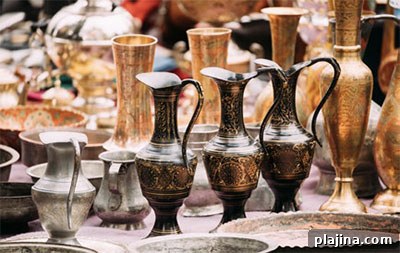
Flea market finds © RYHOR BRUYEU – DREAMSTIME.COM
Tbilisi’s long winemaking heritage is visible around the city. Churchkhela—hazelnuts strung on a string and dipped in thickened grape juice—hangs in storefronts, and numerous wine bars and tasting rooms celebrate Georgia’s ancient viticulture. Many producers still use buried qvevri (large clay vessels) to make varietals such as Saperavi, Mtsvane and Rkatsiteli. Vino Underground is known for its selection of natural and low-intervention wines and offers tastings and evening wine flights with small bites.
To learn more about Georgian cooking, book a class at Culinary Studio Caramel, where lessons can be tailored to specific dishes or adapted for children eager to try cooking. Nearby, the Dry Bridge Market functions as an open-air gallery and bazaar: vendors sell artwork, handmade textiles and antiques—some relics from Soviet times alongside contemporary crafts.
Family-style dining is common and easy to enjoy throughout the city. Barbarestan, a family-run restaurant inspired by 19th-century recipes collected by writer Barbare Eristavi-Jorjadze, serves traditional plates such as eggplant with walnut sauce, khabizgina (an Ossetian-style potato and cheese pie) and kubdari (a meat-filled pie).
Tbilisi’s cultural calendar is lively year-round. The annual jazz festival in July brings international performers to open-air squares and plazas, and seasonal events and exhibitions ensure there is usually something happening in the city. Tbilisi’s blend of history and modern creativity makes it an engaging destination for travelers of all ages.
Tbilisi Info to Go
Visitors arrive at Shota Rustaveli Tbilisi International Airport from major hubs across Europe and Asia. The city’s public transit is straightforward—its compact metro system consists of two main lines—while taxis are plentiful and affordable; agree on a fare before starting your ride.
Where to Stay in Tbilisi
ROOMS HOTEL TBILISI This 125-room hotel caters to the international creative crowd and welcomes guests with warm, designer-focused hospitality. 14 Merab Kostava St.
THE STAMBA HOTEL Housed in a former printing press, this boutique property offers stylish rooms, lively co-working areas and a distinctive bar. 14 Merab Kostava St.
TBILISI MARRIOTT HOTEL Centrally located on Rustaveli Avenue, this hotel is a convenient base for exploring the city’s main sights. 13 Shota Rustaveli Ave.
Restaurants in Tbilisi
CHELA A mountaintop restaurant with striking views and a menu of local favorites. Kaloubani Street
RESTAURANT BARBARESTAN A family-run venue presenting traditional Georgian recipes in a cozy, atmospheric setting. 132 D. Aghmashenebeli Ave.
VINO UNDERGROUND A wine bar focused on natural and small-production Georgian wines, offering tastings and light plates. 15 Galaktion Tabidze St.