
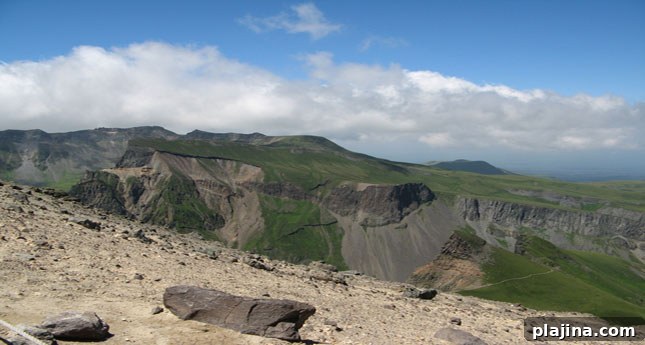
Baekdu-daegan, often called the “spine of the Korean Peninsula,” is more than a series of peaks; it represents Korea’s natural heritage, history and culture. Stretching along the peninsula, this mountain system has shaped local life for centuries and remains a focal point for hikers, historians and nature lovers.
For much of the 20th century the region also supported a thriving timber and coal industry. As those industries declined, however, the area’s once-busy industrial rail lines fell into disuse and public attention shifted elsewhere. In recent years, though, those tracks have seen new life: KORAIL, the nation’s state-run rail operator, has introduced tourist trains designed to showcase the area’s rugged scenery and rural communities.
The sightseeing service travels through the valleys of Baekdu-daegan, running between Cheoram in Gangwon Province and Buncheon in North Gyeongsang Province. Another circular route links the region’s mountain corridors with three of Korea’s main railways — the Joongang Line, the Taebaek Line and the Yeongdong Line — creating convenient connections for travelers and making remote areas more accessible.
Many visitors have been hesitant to explore these parts because of winding, unpaved roads and limited public transport. The new tourist trains change that dynamic by offering a comfortable, scenic alternative that brings the countryside within easy reach. Passengers can relax and enjoy panoramic views of forested ridgelines, river valleys and traditional villages while learning about local history and culture.
Beyond the train experience, Baekdu-daegan offers extensive hiking opportunities along ridgelines and well-maintained trails, with varying difficulty levels suitable for day hikes or multi-day treks. Seasonal changes bring distinct colors and moods: spring’s fresh greens, summer’s dense foliage, autumn’s fiery hues and winter’s stark, snow-dusted summits. Wildlife and native vegetation add to the appeal for naturalists and photographers.
Local communities along the line provide a glimpse into rural Korean life, with markets, temples and food unique to the region. Travelers can sample regional cuisine, visit cultural sites and explore small museums that document the area’s industrial past and natural heritage. The tourist trains often coordinate with local tourism efforts to highlight seasonal festivals and special events.
These developments have broader benefits: reviving rail service supports sustainable tourism by reducing reliance on private cars and opening economic opportunities for remote towns. By reconnecting to the national rail network, the Baekdu-daegan corridor encourages responsible travel and helps preserve the landscape by channeling visitors along established routes.
For those who want to experience the spine of the Korean Peninsula, the restored rail services make it easier than ever to enjoy the region’s scenery, history and culture without the strain of navigating difficult roads. Whether you’re a hiker, photographer, or traveler seeking quiet countryside, Baekdu-daegan offers rich rewards and an accessible way to explore Korea’s mountainous heartland.
You may also like:
Korea: Above it All
Jeju: Isle of Delight