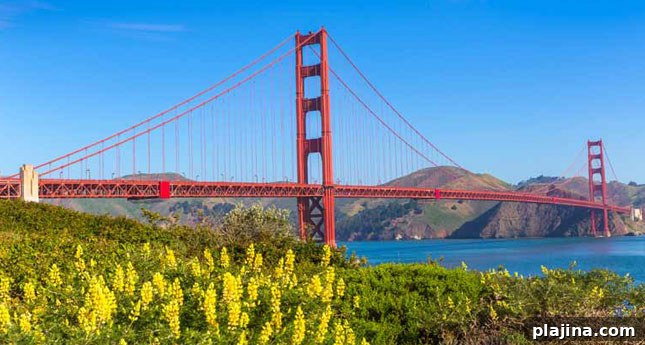
San Francisco consistently ranks among the world’s top destinations. The region benefits from a mild Mediterranean climate, a global reputation for food and wine, a city that blends European charm with Asian influences, spectacular vistas and convenient access to nearby attractions.
Beyond tourism, San Francisco is a major business hub. Northern California, and particularly the Bay Area, attracts more than 40 percent of venture capital invested in the United States. When Scandinavian Airlines re-established a West Coast route in 2013, it chose San Francisco over Los Angeles because of the strong business travel demand the city generates.
Although Silicon Valley and San José have long been synonymous with innovation, San Francisco itself has become home to many technology firms. The South of Market (SoMa) neighborhood has drawn an increasing number of startups and established companies, and much of the region’s biotechnology growth is centered closer to San Francisco than to the traditional Silicon Valley corridor.
The city covers less than 50 square miles and accounts for under one-quarter of the Bay Area’s population. San Francisco (never “Frisco”) remains a city of distinct neighborhoods rather than a landscape of big malls and sprawling commercial centers. Shopping and dining are concentrated in neighborhood districts served by local merchants alongside familiar chains. The Financial District and most corporate activity sit in the city’s northeast quadrant.
San Francisco’s character is shaped by a long history of creative and countercultural movements that coexist with traditional institutions. From the Barbary Coast and Emperor Norton in the 19th century to the Beat and Hippie movements of the 20th century, that eclectic spirit persists today and helps drive the region’s leadership in research and innovation. This blend of culture, history and enterprise makes San Francisco appealing for both business and leisure travelers.
The city’s compact, walkable layout enhances its appeal, and a strong network of public transportation reduces the need for taxis and private cars, especially in poor weather. Major attractions are close together: Golden Gate Park serves as a sprawling urban oasis that includes the Botanical Garden, the de Young Museum and the California Academy of Sciences. A walk along the waterfront links AT&T Park, the Ferry Building, the Exploratorium, Pier 39 and Fisherman’s Wharf. These venues are often used for conferences and corporate events and are all a short distance from The Moscone Center, the city’s primary convention facility.
Fisherman’s Wharf, Pier 39 © Kenishirotie | Dreamstime.com
Because attractions, restaurants and venues are close together, many visitors find a car unnecessary while staying in the city. Parking can be limited and expensive; when a day trip is desired, car rentals are readily available downtown and numerous escorted tours depart from central locations. Evenings offer easy access to cultural events like a Giants game, a symphony or opera performance, or a dinner cruise on the Bay.
Hotel options in San Francisco range from cozy bed-and-breakfasts to five-star luxury properties, so accommodations typically match budgets and preferred neighborhoods. The city is widely regarded, alongside New York, as one of the top dining destinations in the United States. San Francisco’s dense restaurant scene and abundant local wines add culinary sophistication and local flavor to any visit.
Keep in mind that summers in San Francisco can be cool and foggy — layers are advisable. The clearest, warmest conditions often occur in May, September and October.
If you arrive at San Francisco International Airport, Bay Area Rapid Transit (BART) will take you to within a block of Union Square in roughly 30 minutes. The airport features numerous art installations and is the only U.S. airport accredited by the American Alliance of Museums, reflecting the region’s strong cultural focus. San Francisco’s unique mix of history, culture and innovation continues to delight residents and visitors alike.
SCENIC DRIVES
San Francisco makes a great base for day trips across the region. Wine country remains a classic destination: Napa Valley and Sonoma are both accessible in about an hour by car, whether you cross the Golden Gate Bridge via Highway 101 or take Interstate 80 across the Bay Bridge. Sonoma offers a smaller, more intimate experience, while Napa provides a broader range of wineries and tasting options.
North of the city on Highway 101, Muir Woods and the Marin Headlands — part of the Golden Gate National Recreation Area — offer old-growth redwoods, scenic overlooks and historic coastal fortifications. For a longer trip, Point Reyes National Seashore and Drake’s Bay provide rugged coastline and dramatic views; check the weather beforehand, as fog can be prevalent, especially in summer.
If you prefer to avoid bridges, a scenic drive about 28 miles south on Highway 1 leads to Half Moon Bay, which offers coastal vistas and excellent dining options. As with northern excursions, monitor fog conditions when planning a summer visit.