
Australia’s Great Barrier Reef is a one-of-a-kind natural wonder. As the world’s largest coral reef system, it stretches more than 1,240 miles and includes around 3,000 individual reefs and 900 islands. Its spectacular biodiversity, sweeping seascapes and vivid marine life have earned it a place among the seven natural wonders of the world. The reef, sometimes called the “Blue Outback,” has deep cultural and spiritual significance to Aboriginal communities and remains an important part of their heritage. For travelers seeking outstanding snorkeling and diving, whale encounters, encounters with native wildlife, rainforest treks and sun-drenched beaches, the reef offers an unforgettable tropical escape.
There are many ways to experience this immense aquatic landscape. Most visitors board boats to reach prime snorkeling and diving spots, whether from gateway towns or organized tours. Alternatively, small planes can drop you at remote islands for a more private reef experience. For direct reef access from luxurious beachfront accommodation, Lizard Island stands out. This secluded resort in North Tropical Queensland sits on crystal-clear waters and is an ideal base for snorkelers and divers.
Staying at Lizard Island brings the reef to your doorstep: villas and suites open onto sandy beaches where you can relax, snorkel and soak up the sun. From here, boats launch to outer reefs for deeper dives and extraordinary underwater views. Many visitors describe a sense of awe when they finally encounter the reef — it’s easy to see why so many include it on a travel bucket list.
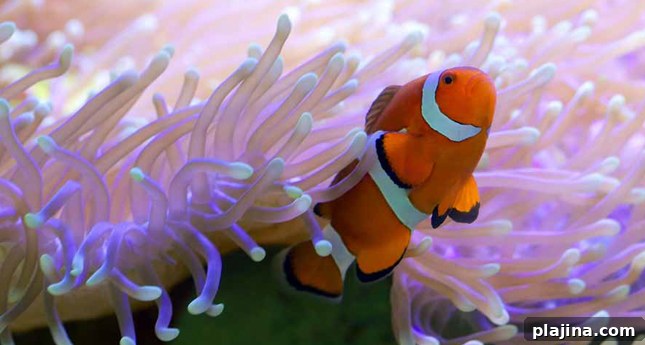
The marine life is astonishing: more than 1,500 species of fish and about 400 types of coral populate the reef. Brightly colored fish, sea turtles, manta rays, dolphins and reef sharks are common sights. Snorkelers and divers can expect to see yellow butterflyfish, clownfish, damselfish, parrotfish, hawkfish and more. Bringing an underwater camera is highly recommended. For first-time snorkelers, guided trips often include options to hold a flotation tube while an instructor points out reef highlights, making it a comfortable way to begin exploring the underwater world.
Aerial view of Whitsunday Archipelago © Tanya Puntti | Dreamstime.com
Farther south, Hamilton Island in the Whitsunday Archipelago provides another excellent base for reef adventures. The island offers a range of accommodations, dining options, a yacht club, a golf course, a spa and a koala sanctuary, plus abundant water sports and tours to the outer reef. It hosts luxury properties like qualia and serves as a gateway to other high-end resorts such as One&Only Hayman Island. With pristine beaches and turquoise waters, Hamilton Island is a convenient and scenic launching point for reef trips, and the island concierge can arrange excursions, transfers and activities.
Cruise Whitsundays operates a modern pontoon at Reefworld on Hardy Reef, offering a comfortable way to experience the reef without necessarily getting wet. The pontoon features an underwater viewing chamber, a sun deck, family-friendly snorkeling zones and services for children. For adventurous travelers, Reefsleep lets guests spend a night on a floating pontoon and snorkel beneath the moon. During reef visits, memorable add-ons include scenic helicopter flights to Whitehaven Beach, glass-bottom boat trips and sunset sails. Whether you prefer lazing by a pool, exploring shoreline trails, viewing the reef from a seaplane or enjoying a romantic cruise, the Whitsundays provide a variety of ways to savor the reef.
From June to July each year, a remarkable wildlife event occurs off Queensland’s northern coast: dwarf minke whales arrive to play and mate. Groups of 60 to 80 of these curious whales visit the warm waters, often approaching boats and swimmers. Unlike most wild cetaceans, dwarf minkes frequently initiate contact with humans and can come within a few feet of swimmers, performing acrobatic displays and producing a variety of vocalizations. This close and playful behavior is rare worldwide, making any encounter with a minke whale a deeply memorable experience — a highlight for many reef visitors.
A dwarf minke whale © Joanne Weston | Dreamstime.com
Heron Island offers another unique wildlife encounter. This small coral cay on the southern Great Barrier Reef is a nesting sanctuary for loggerhead and green sea turtles from September through March. Female turtles often return to the same beach where they hatched decades earlier to lay their eggs. Guests at the island can witness turtles nesting and hatchlings making their way to the sea, a moving example of the reef’s life cycles. Heron Island also provides excellent snorkeling and diving opportunities directly from the beach, making it a favorite destination for marine enthusiasts.
Cairns is the most popular gateway city to the reef, with a wide range of boat operators offering everything from budget-friendly day trips to exclusive luxury charters. From Cairns, travelers can book dive, snorkel and sailing excursions, as well as visits to nearby attractions such as Port Douglas and the Daintree Rainforest.
Port Douglas, about an hour’s scenic drive north of Cairns, sits between rainforest and reef and serves as a gateway to the Agincourt Reef. The town offers a more relaxed and refined atmosphere than busier Cairns, with a world-class marina, cafés, restaurants, galleries and the famous Four Mile Beach. Its palm-lined streets and coastal charm make it an inviting base for exploring both reef and rainforest.
Australia’s clear waters are perfect for snorkeling © Jonmilnes | Dreamstime.com
North of Cairns lies the ancient Daintree Rainforest, one of the oldest rainforests on Earth at more than 100 million years old. The Daintree supports a remarkable diversity of plant and animal life, including species found nowhere else. Visitors can explore waterfalls, mangroves and lush tropical landscapes, and may even spot the elusive cassowary, a large, flightless bird. Activities include guided walks, canopy towers, aerial walkways and zip-line tours. The Eastern Kuku Yalanji people, the region’s traditional custodians, offer cultural walks and storytelling that share the spiritual significance of many natural sites and explain indigenous connections to the land.
Great Barrier Reef Info to Go
Major Australian carriers such as Jetstar, Virgin Australia and Qantas operate daily flights connecting Sydney, Melbourne and Brisbane to Cairns. These airlines also fly to Whitsunday destinations including Proserpine (Whitsundays Coast) and Hamilton Island. From these hubs, boats and charter flights connect visitors to Great Barrier Reef islands and resorts.
Where to Stay in The Great Barrier Reef
Lizard Island Resort Located directly on the reef, this secluded property offers beachfront villas and a relaxed, luxurious atmosphere. Lizard Island National Park $$$$
One&Only Hayman Island The resort on Hayman Island is a family-friendly luxury option featuring pools, tropical gardens and private coves. Hayman Island $$$$
qualia An adults-only, high-end retreat on Hamilton Island offering private pavilions, plunge pools and exceptional service. Hamilton Island $$$$
Restaurants in The Great Barrier Reef
Bommie Restaurant Located at Hamilton Island Yacht Club, Bommie serves modern Australian cuisine with fresh seafood such as oysters and local kingfish. Reservations are recommended for deck seating. $$$$
Long Pavilion qualia’s fine-dining venue overlooks the Coral Sea and offers a tasting menu and curated wine pairings—a standout option for special-occasion dining. Hamilton Island $$$$
Salsa Bar & Grill A popular waterside restaurant in Port Douglas, known for regional specialties like barramundi and kangaroo loin, with a relaxed evening atmosphere on the deck. 26 Wharf St., Port Douglas $$$