
India, the cradle of Vedic culture and the birthplace of Hinduism, is home to roughly one billion Hindus—about 80.5% of the country’s population and roughly 15% of the global Hindu population. Given the religion’s deep historical roots and widespread practice, India is rich with temples that reflect diverse architectural styles, spiritual traditions, and regional customs. Among thousands of sacred sites, a handful stand out for their historical significance, architectural grandeur, and religious importance. Below is a concise overview highlighting five of the most notable Hindu temples in India.
Brihadeeswarar Temple, Thanjavur
Also known as the Big Temple, Brihadeeswarar in Thanjavur is a masterpiece of Chola architecture built in the 11th century. Its massive vimana (tower) and intricately carved stone sculptures showcase the technical and artistic achievements of the Chola dynasty. The temple remains an active center of worship and a UNESCO World Heritage Site, drawing visitors for both its spiritual atmosphere and architectural brilliance.
Khajuraho Temples, Madhya Pradesh
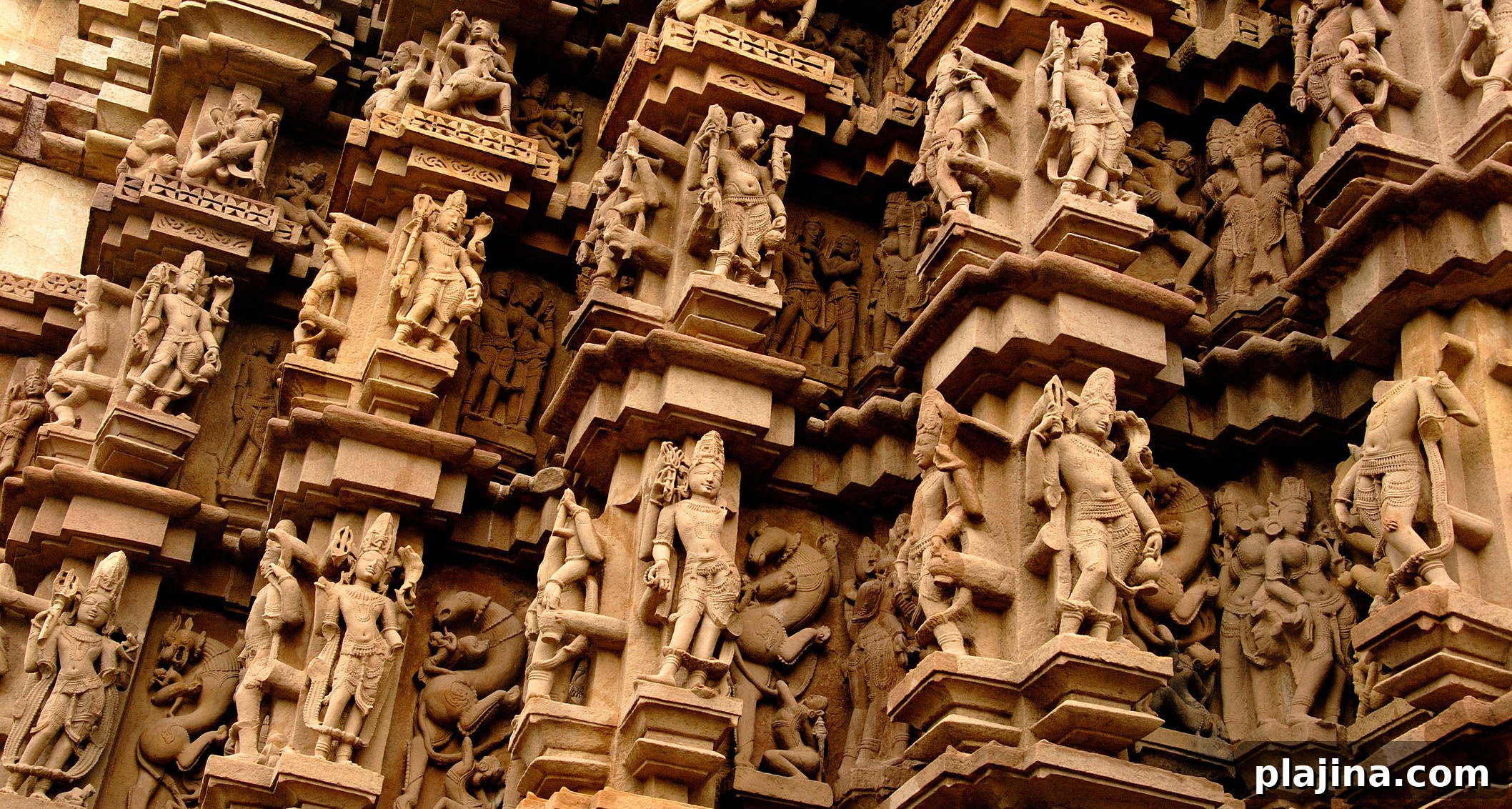
The Khajuraho group of monuments is famous for its stunning sandstone carvings and sexually explicit sculptures that celebrate human life and divine union. Built between the 9th and 11th centuries by the Chandela dynasty, these temples blend spiritual symbolism with exquisite craftsmanship. The site includes both Hindu and Jain temples, set within a compact archaeological zone that attracts historians, art lovers, and pilgrims alike.
Kashi Vishwanath Temple, Varanasi
Located on the banks of the Ganges, Kashi Vishwanath Temple is one of the most revered shrines dedicated to Lord Shiva. Varanasi itself is considered one of the oldest living cities in the world, and the temple has immense spiritual significance for devotees seeking liberation and purification. The temple’s rituals, festivals, and continuous flow of worshippers create a powerful religious ambience.
Meenakshi Amman Temple, Madurai
The Meenakshi Amman Temple in Madurai is a vibrant Dravidian complex noted for its towering gopurams (gateway towers) covered in colorful sculptures of gods, goddesses, and mythical beings. Dedicated to Goddess Meenakshi (a form of Parvati) and Lord Sundareswarar (Shiva), the temple is central to Madurai’s cultural life and hosts elaborate festivals, such as the annual Meenakshi Thirukalyanam, which attract huge crowds.
Tirupati Balaji Temple, Tirumala
Perched on the Tirumala hills in Andhra Pradesh, the Tirupati Venkateswara Temple (often called Tirupati Balaji) is one of the most visited religious sites in the world. Devotees flock here to seek the blessings of Lord Venkateswara, a form of Vishnu. The temple’s longstanding traditions, rigorous rituals, and the practice of offering donations and offerings make it a focal point of devotional activity across India and among the Indian diaspora.
These five temples represent just a small selection of India’s vast temple heritage. Each site offers a distinct window into the country’s spiritual traditions, historical development, and architectural diversity. Whether appreciated for their religious significance, artistic merit, or historical value, these temples remain integral to India’s cultural landscape and continue to inspire devotion and admiration from visitors around the world.