
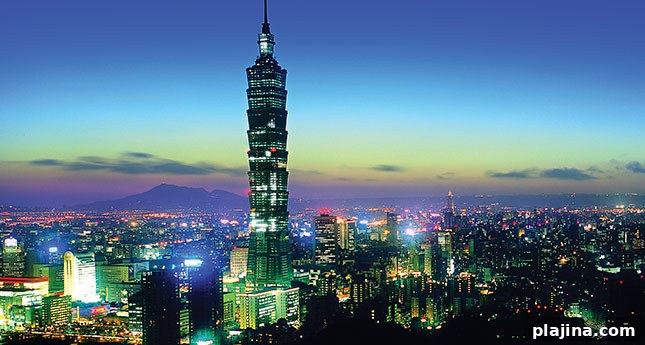
A pillar of prosperity and modernity, Taipei is the capital and largest city of Taiwan. Once a provincial backwater, the city transformed dramatically from the 1970s onward as direct foreign investment spurred growth in high technology, manufacturing and design. By the late 1980s, Taipei—located near the island’s northern tip, about 120 miles from mainland China—was rapidly modernizing, replacing gray industrial zones with glittering high-rises, shopping complexes and business parks. The change was stark for a city that had long functioned as a sleepy administrative center surrounded by farmland.
Taiwan was governed for decades by the Kuomintang (KMT), led by Chiang Kai-shek, who established Taipei as his capital after retreating to the island following the 1949 Communist Revolution. Chiang’s influence remains visible: the former Taiwan Taoyuan International Airport bore his name until 2006, and a large statue of the generalissimo stands near the Chiang Kai-shek Memorial Hall. The memorial plaza continues to be a focal point for political rallies, reflecting Taiwan’s evolution into a lively democracy in the 1990s. Taiwan’s political landscape has continued to evolve; leaders have pursued a range of policies including efforts to deepen economic ties with mainland China.
In recent years, cross-strait relations have opened new economic pathways. Negotiations and agreements, such as the Economic Cooperation Framework Agreement discussions, have encouraged closer trade and investment links. China has eased some travel restrictions and allowed limited direct commercial flights, while the United States remains a major trading partner. Taiwan is widely known for its high-technology industries: Taiwan Semiconductor Manufacturing Co., Shihlin Electric and Engineering, and HTC are among the island’s best-known brands. Many international tech firms maintain operations or design centers in Taipei.
Beyond business, Taipei is a vibrant leisure destination with 24-hour nightlife, excellent restaurants, lively street markets and modern shopping malls. The city also offers top-tier museums and extensive collections of Chinese art spanning many dynasties.
A top attraction is the National Palace Museum on the outskirts of the city. The museum houses an extraordinary collection of Chinese art and artifacts, many brought to Taiwan from Beijing’s Forbidden City. After a major renovation, the museum displays jade carvings, ivory works, bronzes, landscape paintings, ancient coins and early pictographs that illustrate the evolution of Chinese writing. Nearby stands The Grand Hotel, a Taipei landmark with traditional architecture; it also featured in director Ang Lee’s film Eat Drink Man Woman.
With a population of about 2.6 million in the city and roughly 7 million in the metropolitan area, Taipei is a safe, efficient gateway to Taiwan, an island home to around 23 million Mandarin speakers. Modern transport infrastructure includes highways, subways, regular rail and high-speed trains. The Taiwan High-Speed Rail, launched in 2007, links Taipei in the north with Kaohsiung in the south, offering fast, quiet service ideal for business travelers.
Taipei mirrors many of Taiwan’s natural features on a city scale, including volcanic hot springs and mountains. Yangmingshan National Park in the north provides hiking opportunities and scenic landscapes. Beitou, the city’s northernmost urban district, is known for hotels and spas that draw sulfurous hot spring water from nearby geothermal sources. The Japanese influence on Taiwan—rooted in the island’s colonial period from 1895 to 1945—remains visible in places like Beitou and in local cuisine.
The city’s layout follows a grid. The west side retains older neighborhoods, historic sites and Taipei Main Station, the central rail hub. The east side is more contemporary, featuring newer developments, corporate towers and upscale shopping.
Construction and upgrades are ongoing. Recent and planned projects have included cultural centers, expanded rail lines and an airport link, improving connectivity but also creating intermittent construction zones. Taipei’s humid subtropical climate can make long walks uncomfortable during some seasons, but many older neighborhoods offer sheltered, atmospheric streets that resist the city’s rapid pace of change.
Culinary traditions thrive across Taipei. Historic districts like Wanhua offer classic Chinese comfort food in bustling alleys, markets and small family eateries. The influx of mainland Chinese refugees in 1949 contributed to Taipei’s rich culinary diversity, introducing regional specialties throughout the city. A standout example is Din Tai Fung in Wanhua, famous for its expertly crafted steamed dumplings, savory soups and oolong tea. While Din Tai Fung has expanded internationally, the original location remains a beloved flagship.
Taipei 101 is the city’s modern symbol. Opened on New Year’s Day 2004, the 101-floor tower soars over the east district and was the world’s tallest building for several years. Its observation decks, high-speed elevators and luxury shopping mall draw visitors and residents alike.
Contemporary hotels such as the Shangri-La Far Eastern Plaza reflect Taipei’s international hospitality scene, offering fine dining, spas and views of Taipei 101. Japanese culinary influence remains strong across the city, a legacy of Taiwan’s historical ties with Japan.
Youth culture is dynamic and social. Spots such as Party World attract groups for karaoke and nightlife, while areas around Ximen Station pulse with neon-lit streets where young people gather late into the night. The flagship Eslite bookstore in a prominent mall stays open around the clock, providing an unusual mix of retail and cultural life with English-language selections and cafés.
Info to Go
Express buses from Taiwan Taoyuan International Airport (TPE), located about 18 miles from downtown, typically cost around $4–5; taxis average $31–37. Taipei’s MRT is clean, safe and efficient, with English signage and announcements. Taxis are metered and plentiful; it helps to have your destination written in Chinese for drivers. Driving in Taipei is not recommended for visitors due to heavy traffic, frequent construction and numerous scooters.
Just the Facts
Time Zone: GMT +8
Phone Code: 886 (Taiwan), 2 (Taipei)
Currency: New Taiwan dollar (TWD)
Entry/Exit Requirements: U.S. citizens may visit for up to 30 days without a visa; passports should be valid for six months beyond the period of stay.
Official Language: Mandarin Chinese. Taiwanese and Hakka dialects are also spoken.
Key Industries: Computers, displays, semiconductors, consumer electronics, shipbuilding
Diversions
For a glimpse of old Taipei, visit Wanhua, home to Longshan Temple and a lively night market known historically as Snake Alley. Once a river port with a seedier reputation, Wanhua today offers colorful street life, traditional markets and affordable food stalls. Longshan Temple, founded in 1738, remains an active place of worship with classic Chinese architectural details and ornate decorations.
Nearby Huaxi Street Tourist Night Market is the city’s only roof-covered street market and draws both locals and visitors seeking souvenirs and street food. Offerings include beef noodle soup, pearl milk tea and more adventurous items like snake dishes, which remain a niche culinary tradition in some stalls. While Snake Alley’s displays can be confronting, the wider market and neighborhood provide many memorable and flavorful dining options enjoyed at small tables as evening shoppers pass by.
Lodging
The Grand Hotel
An iconic 1950s landmark with ornate traditional Chinese décor and a dramatic hillside setting. 1 Chung Shan N. Road, Section 4, tel 886 2 2886 8888, $$
Shangri-La Far Eastern Plaza Hotel
A modern international hotel with a soothing spa and several restaurants in a central business location. 201 Tun Hwa S. Road, Section 2, tel 886 2 2378 8888, $$$
Villa 32
A refined hot-springs inn with Japanese-inspired rooms, garden grounds and elegant suites in Beitou. 32 Zhongshan Road, Beitou District, tel 886 2 6611 8888, $$$$
Dining
Din Tai Fung
A popular, long-established dumpling restaurant mixing local patrons and travelers, known for succulent steamed dumplings. 194 Xinyi Road, Wanhua District, tel 886 2 2321 8928, $$
Isuki
Stylish contemporary Japanese dining located in a downtown hotel. 201 Tun Hwa S. Road, Section 2, tel 886 2 2378 8888, $$$
Silks Palace
A multi-level restaurant at the National Palace Museum serving refined traditional Chinese dishes. 221 Chishan Road, Section 2, Shilin District, tel 886 2 2882 9393, $$$
Checking in with Lin-Chuan Hsiao
Deputy Director, Taiwan Tourism Bureau, San Francisco
What is hot in Taipei right now?
Housing prices are a major public concern. For business and government, the spotlight has been on cross-strait economic cooperation. Popular culture trends, such as the “Korean Wave,” influence fashion, music and beauty practices, with Korean pop culture and cosmetics enjoying broad popularity.
How has the global economic slowdown affected Taipei?
After a brief period of unpaid leave in some industries, particularly semiconductors, the economy has largely stabilized and negative impacts have become less visible.
What is the impact of more mainland Chinese tourists?
Mainland tourists have grown rapidly as a source market and are expected to become the largest group of visitors, contributing significantly to the local tourism economy. They frequent major cultural sites, shopping destinations and hotels, increasing demand across the hospitality and retail sectors.