
Cruising is often associated with long, multi-stop voyages around the Caribbean or the Mediterranean, but an increasing number of destinations now offer river cruises that follow navigable waterways inland.
One of the newest additions to the market is Colombia, which has opened routes along the Magdalena River. As the country’s longest river, the Magdalena is navigable from Honda, near Bogotá, down to its mouth on the Caribbean coast. The route traverses diverse landscapes and cultural regions, offering travelers an immersive journey through Colombia’s heartland.
U.S.-based AmaWaterways, known for river cruises in Europe, Asia and Africa, launched operations on the Magdalena in March 2025 with the specially designed AmaMagdalena, a boutique vessel accommodating 60 passengers in refined surroundings. In October the line added AmaMelodia, a similarly luxurious ship with room for 64 guests. Both ships provide an upscale, intimate experience with well-appointed staterooms, four suites in two sizes, a heated pool and fitness room, and a restaurant serving Colombian and international dishes. Smaller than many of the company’s other ships, these vessels emphasize comfort and personalized service.
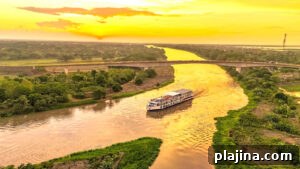
© AmaWaterways
The seven-night itineraries typically begin in Cartagena and sail upstream before returning to the coast at Barranquilla, or operate in reverse. Stops include Mompox, El Banco, Magangué, Santa Bárbara de Pinto, Nueva Venecia and Palenque. Each stop highlights a different facet of Colombia’s culture—from musical traditions to local histories—providing a layered, engaging travel experience.
AmaWaterways includes a range of shore excursions in the fare, all developed in collaboration with local communities to offer authentic encounters. In Magangué, for example, passengers can glide through wildlife-rich wetlands on small boats before continuing to Mompox for an exclusive open-air jazz performance. These curated experiences are designed to showcase nature, craftsmanship and living traditions.
In Mompox, travelers can witness local artisans crafting the town’s famed filigree jewelry and stroll the streets that inspired Gabriel García Márquez’s classic novel Cien Años de Soledad (One Hundred Years of Solitude). The book’s magical-realist portrait of the region remains a meaningful context for visitors; readers can enjoy the novel ahead of travel, while viewers may find contemporary adaptations that bring the setting’s atmosphere to life.
Although the Magdalena and its riverside towns have long been central to Colombia’s internal life, they have only recently attracted broader international attention. Previously, many visitors focused on coastal hotspots such as Cartagena. The Colombian government and the export-promotion agency ProColombia have invested in infrastructure improvements—like boardwalks and visitor facilities—to enhance the river tourism experience. These efforts are part of a wider push to grow the travel industry, a strategy that has contributed to rising visitor numbers as Colombia continues to move beyond the security challenges of its past.
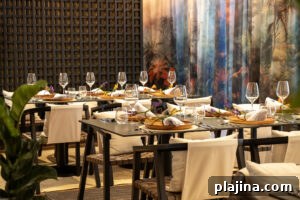
© AmaWaterways
Cartagena has become especially popular with U.S. travelers and is also a frequent stop for ocean cruise liners in the Caribbean. Many visitors choose to add a few extra days before or after a river cruise to explore the city’s historic center and nearby beaches at Isla Barú, roughly an hour from downtown.
Barranquilla, while less visited by international tourists, is well worth a stop—especially during its vibrant carnival, held for four days before Lent. If you cannot travel during the main carnival dates, pre-carnival festivities in the weeks beforehand still offer lively cultural experiences. Onboard, AmaWaterways recreates carnival energy for guests with street dances, live music and masquerades during each cruise.
Prices for 2026 departures vary, with sailings offered throughout the year. AmaWaterways has also promoted select reduced fares to mark the company’s 23rd anniversary, making now an attractive time to consider exploring Colombia by river on the Magdalena.