
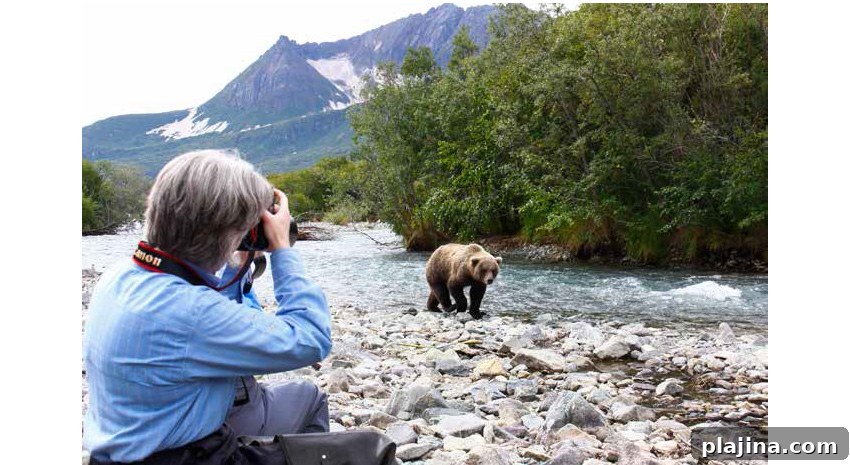
There is growing agreement among travel experts that we are entering a new era of tourism.
Researchers at the Washington-based Center for Responsible Travel (CREST) report that modern travelers show higher levels of environmental and cultural awareness. The result is a more informed and demanding customer who expects to influence the products and services they consume.
“Animal welfare in tourism has been pushed forward in large part due to demand by travelers,” says Samantha Hogenson, managing director at CREST. The organization’s mission is to transform the way the world travels.
Studies from CREST and other groups show that wildlife viewing often delivers greater economic benefits to local communities than hunting, demonstrating a smarter, more sustainable approach to travel. Quality now outweighs quantity: many eco-conscious tour operators limit group sizes to provide personalized experiences while working with local suppliers. That approach helps create jobs and reduces carbon footprints in remote destinations.
“We talk about travel that actively contributes to the well-being of the environment and the people who are crucial in protecting the environment and benefiting from tourism,” explains Ted Martens, vice president of marketing and sustainability at Natural Habitat Adventures in Colorado, a company known for its grizzly and polar bear expeditions.
Eco-friendliness rests on three pillars: environmental, social and economic responsibility. “Ten years ago, having a focus on conservation and sustainability may have been more of a differentiator. These days the differentiator is if you are not doing something,” Martens adds, reflecting the increasing consumer demand for sustainable practices.
Below are examples of eco-friendly travel companies operating on land and sea.

Element Cairo © ELEMENT
The world’s largest hotel group continues to raise standards in eco-hospitality. Marriott International’s Element brand, launched in 2008 with sustainability at its core, now includes multiple properties worldwide and continues to expand. In early 2019 Element opened a property in Cairo’s upscale Heliopolis district as part of The Gate Project, a high-profile development promoting eco-conscious design and infrastructure.
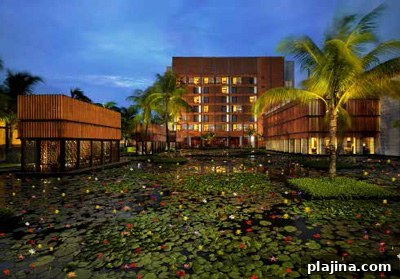
ITC Sonar, Kolkata © ITC HOTELS
ITC Hotels, India’s leading luxury chain, is often cited as a pioneer of responsible luxury travel. The group has practiced sustainable operations for decades and holds numerous LEED Platinum certifications across its properties. ITC reports long-running achievements in carbon positivity, water positivity and waste recycling, and it has reduced hotel water consumption significantly through treatment and reuse programs.
Natural Habitat Adventures, founded in 1985 and based in Boulder, Colorado, was one of the first companies to offset all trip-related carbon emissions, including employee travel. Often described as “The Nature People,” NHA focuses on conservation-based travel and aims to minimize its footprint while supporting wildlife protection and local communities.
Big Five Tours & Expeditions has promoted low-impact, luxury safari travel for more than four decades. Founded in Kenya, the company emphasizes sustainable practices and supports destinations that prioritize conservation, such as Namibia and Costa Rica.
Thomas Cook, the pioneer of modern package travel, has renewed its focus on responsible tourism. In December 2016 the company released an animal welfare policy intended to address illegal wildlife exploitation, a move that was welcomed by wildlife charities.
The ocean covers 71 percent of the planet, yet marine ecosystems face severe threats. Studies show dramatic declines in many ocean wildlife populations and growing concerns about plastic pollution and other pressures.
The Cousteau Society, founded by the late Jacques Cousteau, has long worked with local organizations on marine conservation projects. The society’s efforts have received international recognition for promoting ocean stewardship and scientific understanding of marine environments.
The Ocean Foundation has supported marine conservation worldwide since its founding. Its programs have funded diverse projects and innovations such as blue carbon offsets. The foundation’s SeaGrass Grow initiative protects and restores seagrass meadows to help sequester carbon and support coastal ecosystems.
Major cruise lines and ferry operators have also made commitments to reduce environmental impacts. Royal Caribbean International has invested in fuel-efficiency technologies and partnered with conservation organizations to improve practices at sea. Over time the company has reduced greenhouse gas emissions and implemented waste-reduction measures on many ships.
Alcatraz Cruises and its parent company, Hornblower Cruises, have been recognized for pioneering hybrid ferry technology in North America. Their hybrid vessel designs incorporate solar and wind energy, cutting fuel consumption and emissions.
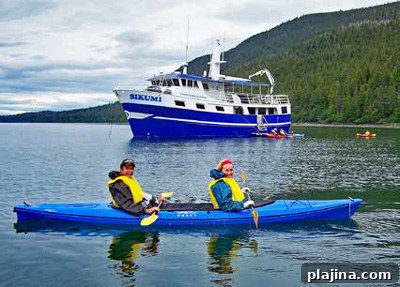
AdventureSmith Explorations © ADVENTURESMITH
EXPLORATIONS
AdventureSmith Explorations helped popularize small-ship, low-impact cruising and launched a carbon-free cruising program to neutralize emissions associated with guests’ travel. The company focuses on intimate, sustainable adventure voyages that aim to conserve remote coastlines and support local communities.
As travelers increasingly prioritize conservation, community benefit and reduced environmental impact, the travel industry is adapting. From hotels and tour operators to foundations and cruise lines, many organizations now integrate sustainability into their core operations—shaping a new tourism that seeks to protect both people and the planet.