Florence, the capital of Tuscany, lies at the heart of Italy’s second-largest wine-producing region. Vineyards surround the city, cultivating heritage grapes that feed a longstanding local devotion to wine. Watching the Arno glide under the Ponte Vecchio as the evening light warms the terracotta roofs, glass of Chianti in hand, is an experience that captures Florence’s romantic allure.
While wine tourism plays an important role, Florence’s appeal extends far beyond vineyards. Before the pandemic, the city regularly welcomed more than 12 million visitors each year who came to admire its skyline of domes and steeples, to experience its unparalleled art and cuisine, and to soak up its history and culture. Florence is also a sought-after setting for destination weddings and a strong magnet for cultural travelers.
Improved transport connections are making the city ever more accessible. Expanded train services now link Florence to Florence Toscana Airport, and airport upgrades including a new terminal and runway are underway. These developments bolster the city’s attractiveness for international conferences and business events, strengthening its profile for MICE (meetings, incentives, conferences and exhibitions).
At the same time, local authorities and communities have grown concerned about overtourism and its impact on residents. In recent years, the city has taken steps to reduce congestion and preserve livability. Several streets within the historic center were closed to cars and buses to cut noise and air pollution. The municipality publishes a list of tour operators and guides committed to decentralizing visitor flows, promoting diverse experiences throughout the city and safeguarding residents’ livelihoods and daily life.
Florence is also embracing sustainability and modern technology across many initiatives. As a participant in the EU’s CITyFiED program, the city is pursuing greater energy efficiency and the development of near-zero energy districts. The Novoli district serves as a test case, where projects increase solar energy use and introduce thermal storage. Citywide LED lighting has improved road safety, reduced energy consumption and saved over €2 million annually on electricity. “Smart” lampposts double as environmental and acoustic sensors while offering free WiFi and video monitoring. Public drinking fountains provide chilled still or sparkling water, encouraging residents and visitors to use reusable bottles.
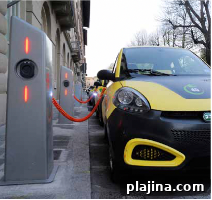
PHOTO: NEACSU RAZVAN CHIRNOAGA | DREAMSTIME.COM
In transport, new tramlines have helped cut carbon emissions by an estimated 14,000 tonnes a year. Electric mobility is expanding with more EV charging stations across the city. For tourists, electric carts, scooters, tricycles and small two-person minicars have long been available for guided groups or self-guided rentals. Florence pioneered bike sharing in Italy in 2008 and has gradually extended a network of bike lanes. In 2017, the city launched a free-floating dockless bike scheme with a mobile app and GPS; e-bikes were added in 2020.
As Italy’s second designated Smart City, Florence uses digital tools and telecommunications to optimize traditional networks and services. Upgrades to water systems, waste management and building efficiency reduce emissions and improve resource use. Those same technologies help manage visitor numbers: apps, data and algorithms guide tourist flows, enable timed entry to avoid long queues and highlight lesser-known attractions.
The COVID-19 pandemic brought life in Florence to a standstill for months and caused major economic losses in tourism and exports. Yet many local businesses and cultural leaders view the disruption as an opportunity to reset. Longtime art history guide Elaine Ruffalo described the pause as a chance to rethink tourism and reconnect the city with its artisans, bakers and craftspeople, restoring a more authentic relationship between visitors and local life. Alexandra Lawrence, a lecturer and bespoke guide, echoed this sentiment, calling the moment extraordinary for reimagining how Florence’s history and masterpieces can be presented beyond the usual sites.
Mayor Dario Nardella has invoked Florence’s history of resilience, noting how the city rebounded after the Black Plague of 1348 to spark the Renaissance. His Rinasce Firenze agenda aims to foster a more inclusive, family-friendly center and to bring residents back into urban life. Nardella envisions a future Florence that is smarter, greener and more socially balanced, creating a renewed pact between tourism and everyday city life to encourage responsible, sustainable tourism.
In a message of optimism, Nardella quoted Muhammad Ali: “Don’t be afraid of falling down; be afraid of not getting up again,” urging confidence that Florence can stage a modern rebirth and find new ways to thrive.
CHECKING IN WITH HELEN FARRELL
Editor in chief, The Florentine
How long have you lived in Florence and what drew you here?
I’ve lived in Tuscany for 18 years and originally moved for work in publishing. Florence becomes home in a natural way—its culture, career opportunities and connections make it hard to leave.
Before the pandemic, what measures were being discussed to tackle overcrowding?
The city had begun introducing measures to encourage quality tourism, including taxes on daytrippers, particularly cruise visitors, and exploring ways to manage visitor distribution more effectively. Change was in progress but not yet fully evident on the streets.
How did businesses adapt during travel restrictions?
Many businesses sold gift vouchers for future stays. Restaurants shifted to takeout and delivery. Some guides created online experiences and museums expanded virtual tours. Local media campaigns supported Italian businesses abroad, while creativity fueled new digital offerings that kept audiences connected to Florence.
Are there silver linings to restricted travel?
Yes. The pause lets quality tourism return more slowly and sustainably, and it has accelerated the development of digital tourism tools that keep Italy lovers engaged—a promising new sector.
What lesser-known experiences should visitors consider?
Active outdoor pursuits like stand-up paddleboarding on the Arno, hill hikes, and even skydiving over the Duomo offer different perspectives. Explore tabernacles, street art, smaller galleries and historic libraries, and visit suburbs where Florentines live—places such as Gavinana, Campo di Marte and the Cascine, including the regenerated Manifattura Tabacchi. Broader Tuscany hides many hidden gems: its islands, the Lunigiana and the Maremma.
What events are planned?
Dante’s 700th anniversary has brought joint programming from over 30 cultural institutions, with exhibitions, talks and study days commemorating his legacy. The city also supports sustainable tourism projects and hosts major art exhibitions, including international showcases in venues like Palazzo Strozzi.
What should readers know about Florence?
Florence is a living, contemporary city rooted in a remarkable past. Its creativity and resilience have driven cultural renewal before, and those same qualities will shape its future as it emerges from recent global challenges.
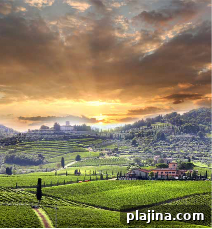
PHOTO: © TOMAS MAREK | DREAMSTIME.COM
DIVERSIONS
Given the exceptional wines of the region, booking a wine tour and tasting offers valuable context for Florence’s close relationship with surrounding vineyards. The area is famous for Sangiovese, used in Chianti and Brunello di Montalcino, and for Prugnolo Gentile, which underpins Nobile di Montepulciano. Most vineyards are family-run operations, so tastings often feel informal and unhurried—walking among vines, sampling wines and enjoying meals designed to highlight their subtleties. Italy lists 154 official Wine Trails, marked and supported by information to plan self-guided routes. Hiring a sommelier or a knowledgeable guide can help you reach smaller, harder-to-find estates. For tailored luxury experiences, specialist tour operators provide customizable wine-focused itineraries.
LODGING
FOUR SEASONS HOTEL FIRENZE
This palazzo-turned-city sanctuary captures Renaissance opulence with a private garden, a Michelin-starred restaurant and a serene spa.
Borgo Pinti 99
HOTEL LUNGARNO
Styled with interiors that recall a luxury yacht, this refined property on the Arno features 65 rooms and a notable art collection of more than 450 works.
Borgo San Jacopo 14
IL SALVIATINO
Set on the city’s edge, this restored villa produces organic vegetables and herbs for its kitchen. Rooms show exposed stonework and guests enjoy formal gardens and a destination spa.
Via del Salviatino 21, Fiesole
DINING
LA DIVINA PIZZA
A neighborhood pizzeria known for Roman-style deep-dish pies topped with local ingredients such as figs, olives and artisan cheeses.
Via Borgo Allegri 50R
PASTICCERIA NENCIONI
A classic Florentine pastry shop serving local sweets, including “fedora,” an orange cake with a thin dark chocolate coating. Also open for breakfast.
Via Pietrapiana 24R
TRATTORIA CAMMILLO
A family-run, old-school trattoria in the Oltrarno specializing in traditional Tuscan dishes and lively atmosphere.
Borgo San Jacopo 57R
COMING AND GOING
U.S. citizens visiting for up to 90 days need a passport valid for at least six months beyond their planned departure and with at least two blank pages for entry stamps.
OFFICIAL LANGUAGE
Italian
INFO TO GO
Florence is served by Florence Toscana Airport (Aeroporto di Firenze-Peretola) and Pisa International Airport (Galileo Galilei). The city airport lies roughly 3.7 miles from the center and offers a shuttle to Santa Maria Novella (SMN) train station, a tram connection (T1) and official taxis with a fixed rate to the city. Pisa Airport is about an hour away by shuttle, taxi or train; the Pisa Mover shuttle connects passengers to Pisa Central Station for onward rail travel to Florence.
JUST THE FACTS
Time zone: GMT +1
Phone code / Country code: +39
City code: 55
Currency: Euro
Key industries: Tourism, food processing, machinery, chemicals, textiles, clothing, footwear, motor vehicles, iron and steel.