
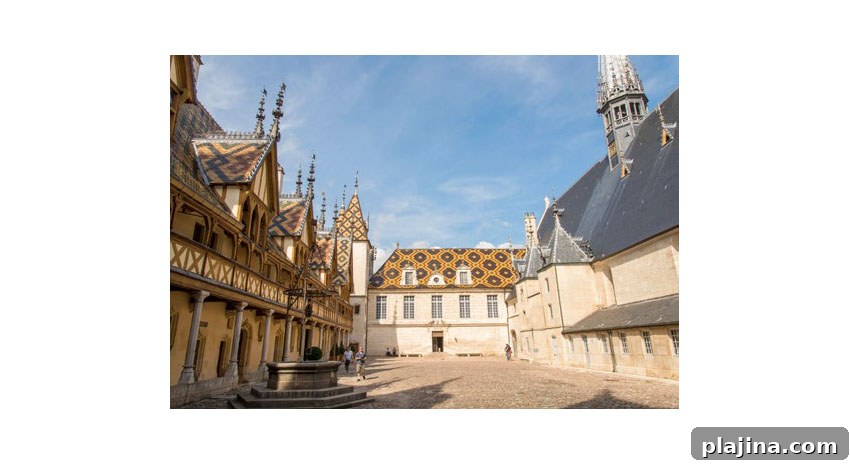
INDIAN SUMMERS IN FRANCE draw wine lovers to the vendange, the annual grape harvest. This nationwide tradition breaks the quiet of the growing season roughly 100 days after the first blossoms appear. For nearly two weeks, teams move along the long allées between rows of vines. Armed with pruning shears, they hand-cut each cluster and place the grapes carefully, bunch by bunch, into baskets. Grape porters then move the harvest into larger containers, or hottes, carry them on their backs to a hopper (a bin tipper) and load them into small trucks bound for the winery.
Winemaking is woven into French life: many families speak of “wine in our blood” and emphasize their land’s terroir — the combination of soil, sunlight and topography that shapes a wine’s character. For owners of domaines (wine estates), vintners and négociants (wine merchants), the harvest is a decisive period that influences future production and sales.
Historically the vendange had such economic weight that during the French Revolution the Republican calendar named the first month, covering Sept. 22–Oct. 21, Vendémiaire. Today the harvest remains crucial; according to the Federation of French Wines and Spirit Exporters, wine and spirits were among France’s top exports in recent years.
The timing of harvests, usually from early to mid-September, varies by region and year depending on when grapes reach the desired sugar levels and ripeness. Heat waves, drought, sunlight, rain or even unusually early cold snaps can shift the dates. Since each 750 ml bottle requires roughly 220 grapes (about 2.2 pounds), estates often hire seasonal workers or invite volunteers to help with the demanding manual labor.
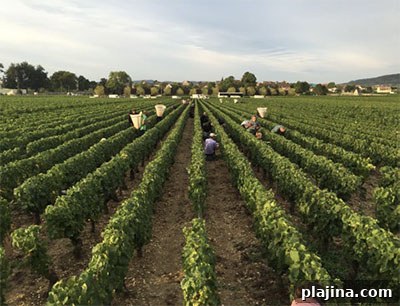
Grape harvest at a vineyard © OLIVER LEFALVE
Beyond economics, it is the convivial, communal spirit that captivates the nation and attracts oenophiles. Thousands of volunteers and paying participants sign up to be a vendangeur (harvest worker) or simply to watch the action and soak up the atmosphere.
In Burgundy, vine-covered slopes mirror the region’s iconic glazed-tile roofs: deep red grapes, verdant vines and golden sunlight. My preferred and frequently visited wine region, the Route des Grands Crus—about 40 miles—runs south from Dijon to Beaune, Burgundy’s wine capital, and continues to Santenay. It crosses the Côte de Nuits and Côte de Beaune, where the clay- and limestone-rich soils yield renowned Burgundy wines. Along the route, village names read like a wine list: Gevrey-Chambertin, Nuits-Saint-Georges, Aloxe-Corton, Pommard and Puligny-Montrachet.
Regional festivals and gastronomic events celebrate the harvest, honoring Bacchus, the god of wine, and Saint Vincent, the patron saint of winemakers. A popular stop is the walled 12th-century Château du Clos de Vougeot, founded by Cistercian monks and longtime home of the Confrérie des Chevaliers du Tastevin (the Brotherhood of the Wine-Tasting Cup).
The most memorable experiences take place at distinguished estates. Just a 15-minute drive (or a 40-minute bike ride) from Beaune, Domaine Leflaive in Puligny-Montrachet is a leader in biodynamic viticulture and wine tourism. Vendange visits include an in-depth vineyard tour and a cellar visit where a family member explains terroir, appellations and the full winemaking cycle—from cultivation and harvest to fermentation, barrel aging and bottling. Tours often end with a glass of Burgundy and offer optional tasting lunches or dinners, plus overnight stays at La Maison d’Olivier Leflaive, a 17th-century house with a 13-room, 4-star hotel. Olivier Leflaive describes harvest as a “critical, busy, intense but happy period.”
Opportunities to serve as a vendangeur, even briefly, are rare and prized. At Clos Marey-Monge in the Château de Pommard estate, which practices sustainability and biodynamic farming, visitors start with a glass of Chardonnay, then hand-pick in the vineyard, assist at the sorting table and observe vinification in the winery.
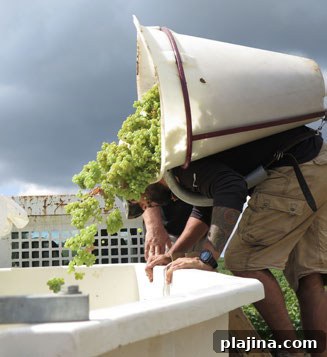
A grape porter © OLIVER LEFALVE
Tasting top wines, including premiers crus, is a highlight at estates such as Château de la Crée in Santenay. Dating from 1431 and once owned by Nicolas Rolin, chancellor to the Duke of Burgundy, the estate connects to the region’s long winemaking heritage and events like the annual charity auction at the Hospice de Beaune, where collectors bid on rare vintages each November. At Château de la Crée’s half-day vendange program, guests explore ancient cellars, learn about production at the gravity-flow winery and sample a selection of five wines.
Harvest celebrations occur across France—from Bordeaux and Burgundy to Corsica, Champagne, the Languedoc and the Loire. Visit packages can include guided tours, tastings, vintage-car vineyard drives, picnics with harvest workers or even helicopter views over the vines. Regional tourism offices publish updated information and confirmed dates in mid to late summer.
Each vendange showcases the beauty of the land, offers insight into French history, culture and cuisine, and provides a rare chance to join the camaraderie that defines the harvest experience.
France Info to Go
From Paris, the TGV high-speed train from Gare de Lyon reaches Dijon Ville in Burgundy in about 95 minutes.