
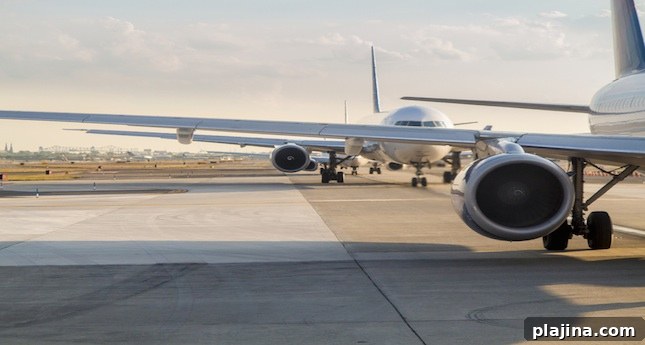
The uncertain interval between boarding an airplane and actually taking off may shrink soon thanks to a new scheduling algorithm developed by engineers at the Massachusetts Institute of Technology.
This algorithm combines real-time data — including current weather conditions, the flow of other aircraft on taxiways and runways, and the schedules of incoming and outgoing flights — to produce a reliable prediction of how long it will take an aircraft to go from “doors closed” to airborne. By modeling those variables together, the system gives air traffic controllers and ground operations teams a clearer view of expected departure timing for each flight.
With a predictable takeoff estimate, ground crews and airline dispatchers can change when boarding begins. If the model predicts a long delay before departure, boarding can be postponed so passengers remain comfortable inside the terminal rather than waiting in an aircraft that will sit on the tarmac. Conversely, when the algorithm indicates a short interval between door closure and lift-off, boarding can proceed on schedule and passengers can expect a timely departure.
Delaying boarding until a reliable departure window is available benefits both passengers and airlines. Travelers avoid the inconvenience of sitting inside a plane for prolonged periods while idle on taxiways, and airlines reduce the amount of time aircraft spend burning fuel while waiting to depart. Studies and operational estimates suggest that holding a plane at the gate instead of idling on the taxiway can save roughly 16 to 20 gallons of fuel per departure, with variations depending on aircraft type and airport procedures.
Beyond fuel savings and improved passenger comfort, the approach can improve overall airport efficiency. Better coordination of boarding and pushback times helps reduce congestion on taxiways and minimizes conflicts between departing and arriving aircraft. When controllers have more accurate, short-term forecasts for each departure, they can sequence departures more effectively and reduce unnecessary hold times that ripple through the schedule.
Implementation of this type of predictive tool requires reliable inputs and integration with existing airport and airline systems. Accurate weather forecasts, up-to-date arrival information, and current runway occupancy data are all essential for the model to produce trustworthy estimates. When those data streams are available, the algorithm can provide actionable recommendations that align gate activity with the expected flow of traffic on the airfield.
For passengers, the most visible change will be a reduction in the number of flights that sit idling on taxiways after boarding. Instead of waiting inside the aircraft for a long time, travelers could remain in comfortable gate areas until boarding is about to begin. This can improve the overall travel experience, reduce frustration, and lead to fewer flight attendants and gate agents having to manage passenger discomfort caused by extended tarmac waits.
Airlines and airports may also see operational cost reductions when aircraft spend less time taxiing. Fuel savings are one tangible benefit; reduced engine runtime on the ground also lowers wear and tear and can cut maintenance expenses over time. In addition, fewer delays on the taxiways can help keep departure and arrival sequences closer to scheduled times, improving on-time performance metrics that are important to both regulators and customers.
As airports and airlines evaluate new technologies to improve throughput and passenger satisfaction, predictive scheduling tools like this MIT algorithm represent a practical step. By aligning boarding decisions with realistic, data-driven estimates of when an aircraft will depart, the industry can reduce unnecessary tarmac time, conserve fuel, and create a more pleasant experience for travelers — without changing aircraft or airport infrastructure.