
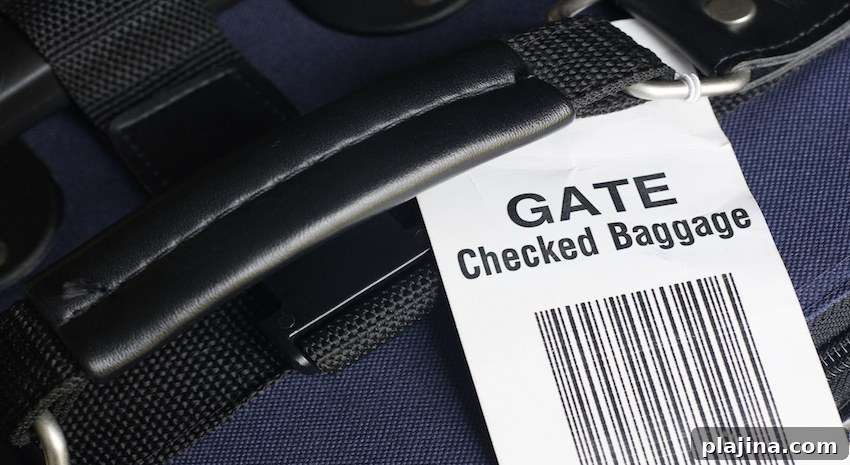
Passengers often resent checked baggage fees, but a new peer-reviewed study finds these charges can reduce departure delays. Published in the August issue of Management Science, the research examines how baggage fees affect on-time performance for airlines.
Researchers analyzed more than 9 million flights from May 2007 through May 2009, comparing delay patterns for airlines before and after they introduced checked baggage fees. To isolate the effect of the fees, the study controlled for weather, aircraft age, passenger counts, and other relevant factors that influence departure times.
Many travelers believe baggage fees simply push more people to bring carry-on luggage, which can slow boarding when overhead bins fill and crews spend extra time stowing items. That visible consequence is one part of the picture, but the study highlights a less obvious “below the cabin” effect: baggage fees decrease the number of checked bags, which streamlines the loading and screening process in ways passengers don’t immediately notice.
By reducing checked luggage volume, airlines can move baggage through screening and loading systems more efficiently, helping aircraft reach departure readiness sooner. The authors conclude that these operational improvements translate into measurable gains in on-time departure performance.
“Our study provides empirical support that checked baggage fee policies were associated with an improvement in a key airline performance metric, on-time departure performance,” the researchers wrote, summarizing the main finding.
While the fees remain unpopular with many travelers, the study suggests they play a role in reducing delays and improving airline punctuality by changing baggage behavior and easing ground-handling processes.