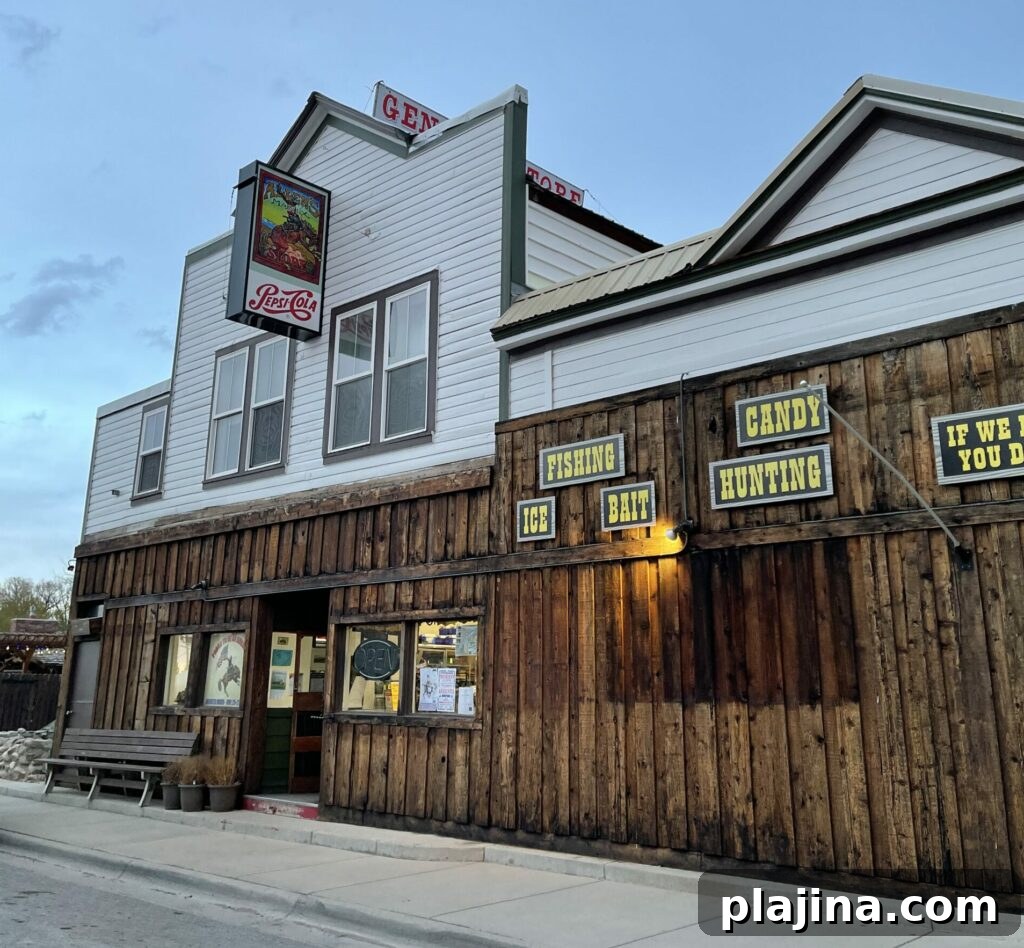
“If we don’t have it, you don’t need it.” That tongue-in-cheek motto at Allen’s Manix Trading Post captures the spirit of Augusta, Montana. With a population under 300, this small town—less than an hour from Great Falls and Helena and under two hours from Glacier National Park—feels much as it did when founded in 1893. The changes are subtle: cars parked along the street and a few streetlights in front of buildings, but the town’s character remains intact.
© Tia Troy
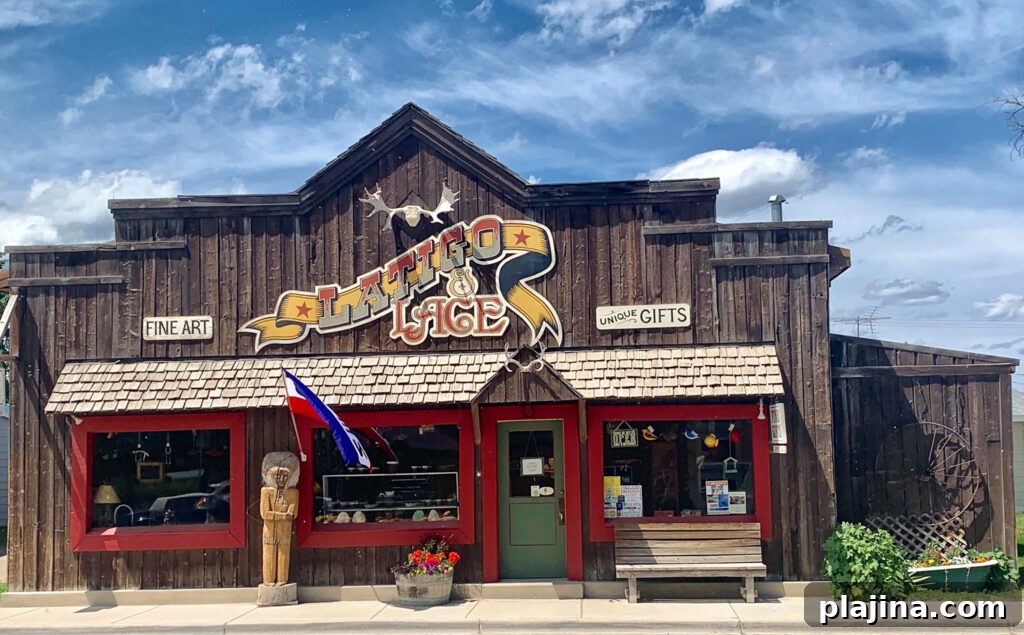
In a town this small, everyone knows one another. Local gathering spots—Buckhorn Bar, The Lazy B Bar & Café, and Blue Pine Wine—serve as hubs for conversation, catching up, and community news. Shop owners often greet customers by name, whether at the general store or at Latigo & Lace, a distinctive shop stocked with artisan goods, books, artwork, and unique gifts.
© Tia Troy
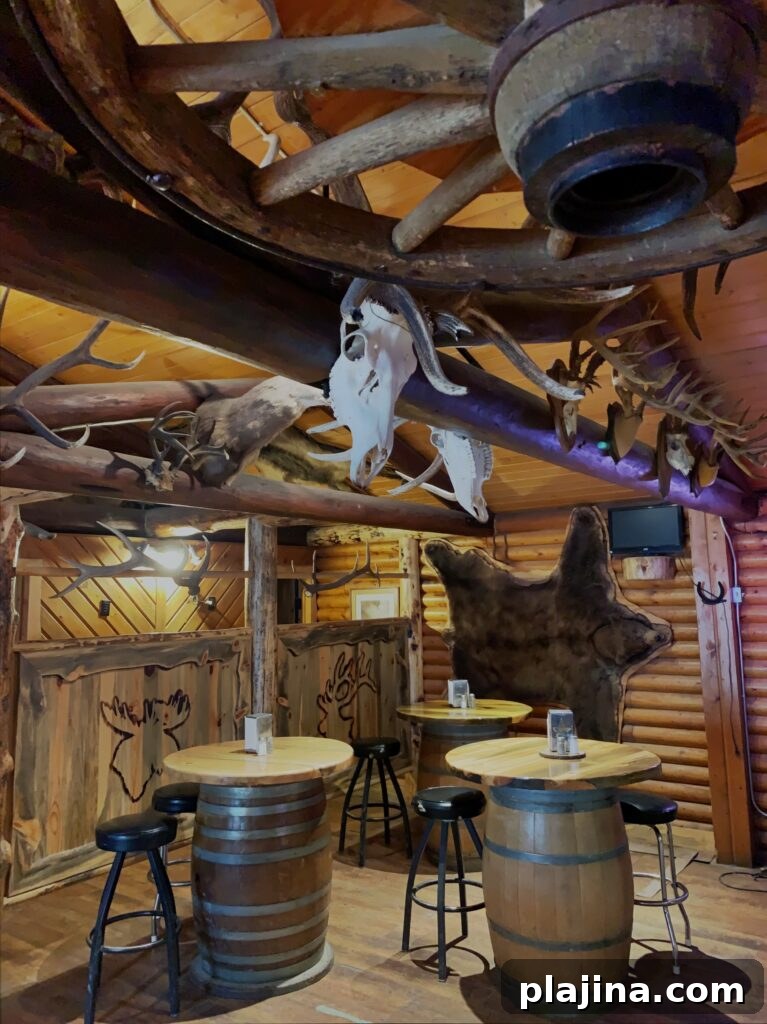
Step into the Buckhorn Bar and you’ll be welcomed by a warm, familiar atmosphere. Antlers line the ceiling beams, some adorned with hats or merchandise, creating a rustic, convivial setting. The menu focuses on hearty, home-style fare—steak, burgers, and chicken sandwiches—alongside draft and local beers. Although it’s called a bar, Buckhorn is family-friendly and functions as a communal living room where locals and visitors alike gather to talk and unwind.
Buckhorn Bar © Tia Troy
Accommodations in and around Augusta suit a range of preferences. Visitors can choose from a classic roadside motel, vacation rentals, or cozy Airbnb cabins. The area currently offers more than 20 short-term rental options, from small, authentic log cabins perfect for two to larger, multi-bedroom homes for families and groups.
© Tia Troy
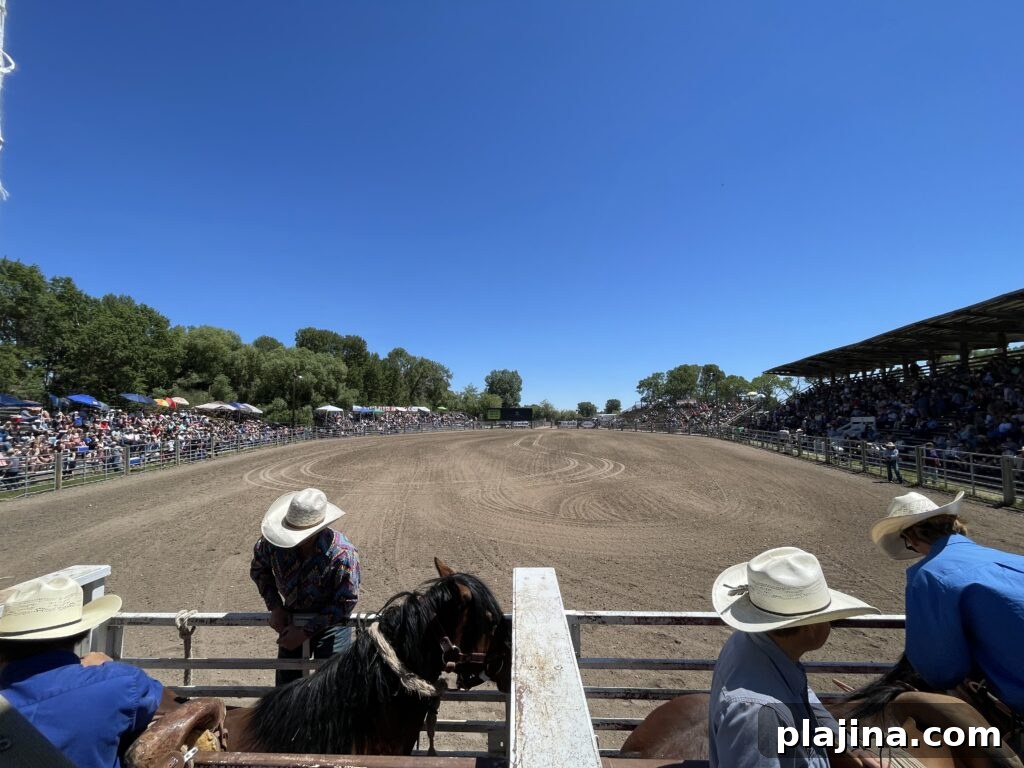
Each summer, Augusta draws crowds for the Augusta American Legion Rodeo—one of Montana’s longest-running rodeos. The event features rodeo performances, live music, and food vendors, creating a lively weekend that attracts visitors from across the region. If you plan to attend, book lodgings early, as accommodations fill quickly for rodeo weekend.
© Tia Troy
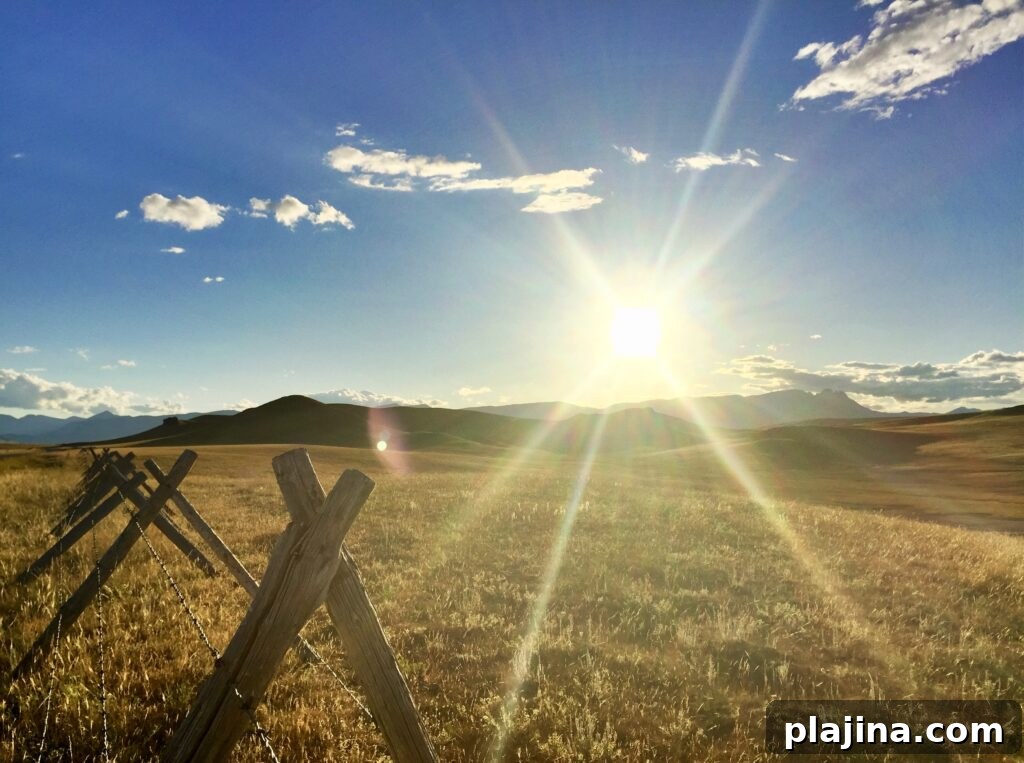
Beyond the main street, the landscape opens into farmland and ranches that stretch to the horizon. Livestock such as horses, cattle, bison, and even yaks graze the fields, with hay bales dotting the scenery. Many homes and ranch buildings in the surrounding area date back to the early 20th century, offering a sense of continuity and history that complements Augusta’s enduring small-town charm.