
Tucked into the southeast corner of the Iberian Peninsula, the region of Murcia in Spain deserves far more attention than it often receives. Easily reached from other Spanish cities—including Madrid, which served as both the starting and ending point for my visit—Murcia offers striking contrasts, from dry plains and rugged mountains to sheltered coastlines. Its semi-arid, subtropical Mediterranean climate ensures abundant sunshine most of the year, making it an inviting destination for travelers seeking culture, history and outdoor activities.
Begin your exploration in Lorca, a city widely known for its elaborate Holy Week processions. Lorca is rich in history and architecture: wander streets lined with Baroque façades, visit medieval remains and explore a living city that blends tradition with contemporary life. The Embroidery Museum is a highlight, showcasing the delicate handiwork of the garments worn during Easter processions and offering insight into a deep-rooted local tradition.
Sword sundial at Lorca Castle © Fotomicar | Dreamstime.com
For an authentic stay, consider the Parador de Lorca, located within the enclosure of Lorca Castle. This modern parador integrates archaeological remains with contemporary comforts. Housed where Islam, Judaism and Christianity once coexisted, the hotel offers 76 guestrooms and nine suites, a spa with a therapeutic water circuit, and well-equipped facilities for events and dining. Its setting places you within easy reach of the castle’s archaeological sites.
Archaeological finds near the castle include a Jewish quarter discovered in 2003, with homes dating to the 15th century. The synagogue, notable for its Gothic-style plasterwork, is among the best-preserved structures. These discoveries have been incorporated into an archaeological park on the castle grounds. Regular tours are offered, with English-language tours available on select days.
Perched above the city, Lorca Castle served as a defensive fortress and watchtower for many civilizations, from the Argaric period through the Middle Ages and into modern times. The castle complex, known as the Fortaleza del Sol, dates primarily from the 12th and 13th centuries and ranks among Spain’s larger fortresses. Excavations beginning in 1999 have revealed nine notable archaeological remains across the site, now adapted with exhibits, workshops and family-friendly areas through local cultural initiatives.
In 2011 Lorca was struck by a significant earthquake that affected parts of the city and paused some archaeological work. Recovery continues and the city is rebuilding while preserving and showcasing its historical treasures.
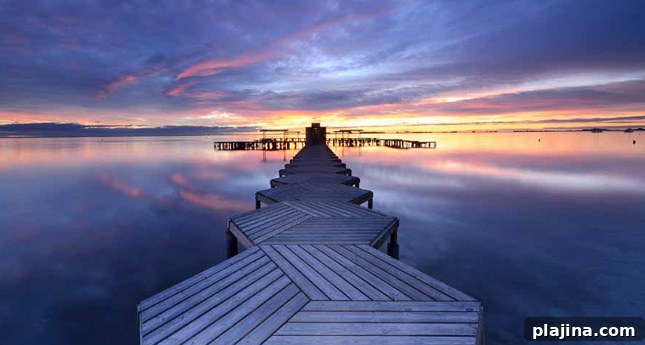
For sun, sand and water sports, head to Mar Menor, a large saltwater lagoon popular with visitors for decades. The Mar Menor coastline—featuring La Manga del Mar Menor, San Javier, San Pedro del Pinatar and Los Alcázares—enjoys roughly 315 days of sunshine annually and mild average temperatures. Beaches such as El Mojón, Torre Derribada and La Llana offer gentle shorelines and calm waters.
The lagoon’s shallow depth, steady winds and calm conditions make it ideal for sailing, windsurfing, canoeing and other water sports. Scuba divers are also drawn to the underwater remains of a Roman shipwreck. Nearby, San Pedro del Pinatar Regional Park protects more than 2,000 acres of wetlands between the seas. Once salt flats in Roman times, the park is today a mosaic of pools, dunes and pine groves that provide habitat for about 100 bird species, including striking pink flamingos, grebes and herons.
Mar Menor is also well known for the therapeutic clay and mud sediment deposited on its seabed. Rich in minerals and ions such as calcium, magnesium, potassium, fluoride, chloride and sulfate, the clay has high absorption properties and is traditionally used to treat various skin ailments. Visitors often enjoy coating themselves with the thick gray mud, allowing it to dry in the sun before rinsing in the saltwater—many report lasting skin benefits and a sense of rejuvenation.
Next, visit Cartagena, a port city with a storied past spanning some 2,500 years. Dominated by Concepción Castle’s vantage points, Cartagena invites exploration of its hilltop views and historic core. While a panoramic lift offers an easy route to the highest viewpoints, the city’s streets and waterfront are equally compelling for those who prefer to stay on level ground.
Cartagena’s Roman theater is one of its most remarkable sites. Excavations and the accompanying Roman Theater Museum create a seamless flow between exhibits and the restored monument, blending ancient remains into the modern cityscape while preserving authenticity. Additional archaeological work continues across the city—visitors can explore the Roman forum in the Molinete district, now an open-air park that features remains of public buildings and a first-century thermal complex.
Cartagena Roman theater © Lunamarina | Dreamstime.com
Between historic sights, relax in a café and try an asiático—a local espresso-based drink commonly blended with Licor 43. Cartagena is perfect for leisurely strolls through narrow streets, browsing shops or enjoying fresh seafood at waterfront restaurants. Cruise ships often call here, adding an international dimension to the city’s lively port activity.
End your regional tour in the city of Murcia, the region’s capital and Spain’s seventh-largest city, home to about half a million residents. Murcia’s cuisine highlights the area’s abundant fresh produce, meats and seafood. Visit the Verónicas market, built in the early 20th century, where long-established stalls offer a wealth of ingredients and prepared foods—ideal for sampling local flavors or assembling your own meal.
For a structured culinary experience, follow the Murcia Gastronomic Route. Local favorites feature in tapas bars and traditional restaurants across the city. Don’t miss paparajotes, a regional sweet made from lemon leaves coated in a light batter, fried and dusted with cinnamon and sugar—an emblematic finishing touch to a food-focused day.
Murcia’s architectural legacy includes numerous Baroque churches, with the Cathedral of Santa María standing out as the city’s most important religious monument. Begun in the late 14th century, the cathedral incorporates Gothic elements and features a bell tower constructed over several centuries. Its organ ranks among the largest in Spain and is notable on an international scale. The city also offers fine examples of 18th- and 19th-century architecture, including the Episcopal Palace, the old Granary, the Town Hall, the Victoria Hotel and the historic Casino with its richly decorated ballroom.
Murcia is an authentic and varied destination that rewards curious travelers with culture, history, nature and gastronomy. From fortress ruins and archaeological parks to sunny beaches, therapeutic muds and lively urban markets, the region provides a distinctive Spanish experience waiting to be discovered.
Murcia Info to Go
Flights to the region arrive at Murcia-San Javier Airport or Alicante–Elche Miguel Hernández Airport (Alicante). A new Region of Murcia International Airport is planned. Within the region, travelers can move between cities and towns by taxi, bus, train, tram and boat services, making it straightforward to explore Murcia’s many attractions.