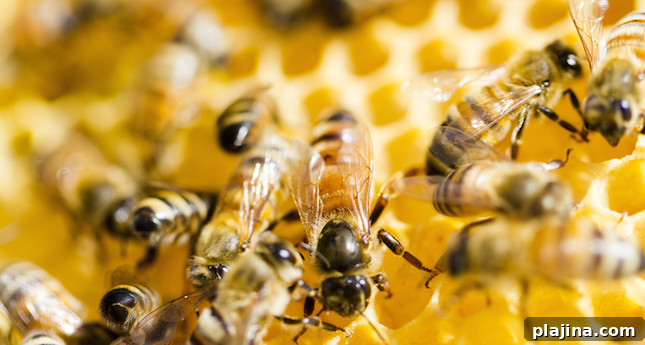
O’Hare Apiary returns for its fourth season, bringing renewed activity and purpose to the airport grounds. What began three years ago as a pioneering effort to host bees on airport property has grown into a significant conservation and workforce development program. Launched in May 2011 with 28 hives and more than one million bees, the apiary has expanded to 50 hives and is now the largest airport-based apiary in the world.
The program operates through a job training partnership with the Chicago Department of Family Support Services and the North Lawndale Employment Network. It offers hands-on beekeeping experience and instruction in processing honey and creating honey-based products. Program participants, many of whom are returning citizens, learn to harvest and package honey and to produce value-added items such as candles, soaps and lotions. These products are marketed under the beelove brand and are available for purchase in retail locations at both O’Hare and Midway airports.
In its most recent season, the apiary produced approximately 1,200 pounds of honey. Even after enduring one of Chicago’s coldest, snowiest winters in recent memory, nearly half of the hives survived and have been revived for another season of production. This resilience underscores the careful management and commitment of the beekeeping team.
Beyond honey production, the O’Hare Apiary plays an important ecological role. Bee populations have declined dramatically in the past decade due to parasites, disease and extreme temperature shifts. Because bees pollinate roughly one-third of the food people consume, maintaining stable pollinator populations is crucial for local food systems and overall environmental health. By placing managed hives on airport lands, the initiative helps replenish and stabilize area honeybee numbers, giving pollinators additional support and habitat in an urban setting.
The apiary’s dual focus on ecological stewardship and workforce development makes it an innovative model for other urban institutions considering similar programs. Participants gain practical skills, employment readiness and experience in a growing area of urban agriculture and green enterprise. At the same time, the wider community benefits from local honey, pollination services and raised awareness about the importance of bees.
Wider impacts include promoting sustainable practices on public land and demonstrating how nontraditional sites can support conservation goals. Airports and other large properties can offer surprisingly valuable green spaces where pollinator-friendly plantings and managed hives contribute to biodiversity while also fitting into operational landscapes.
Visitors to O’Hare and Midway can find beelove products in airport shops, offering a tangible way to support the program and enjoy locally produced honey-based goods. Sales help sustain the apiary and the training program, providing both financial support and broader recognition of the initiative’s value.
The O’Hare Apiary highlights how urban institutions can make a measurable difference for pollinators and people alike. By combining conservation, education and job training, the program strengthens local ecosystems and creates meaningful pathways to employment for participants. As the apiary enters its fourth season, it stands as an example of how thoughtful partnerships and creative use of space can yield sweet results—for bees, for trainees and for the community.
You may also like:
GT Blog: A Slice Of Chicago
Chicago: Big And Beautiful