
Not long ago, downtown Salt Lake City resembled many North American downtowns: broad, empty streets after business hours and limited nightlife beyond a few cultural institutions and upscale restaurants. Today the city has transformed into one of the region’s most desirable places to live — a more understated cousin to Denver, set against the dramatic backdrop of the Wasatch Range. Close to world-class ski areas like Alta, Snowbird and Park City and offering an outdoor-focused lifestyle, Salt Lake City has seen rapid population growth as people seek a higher quality of life.
While the city remains the headquarters of the Church of Jesus Christ of Latter-day Saints, its population is far more diverse than in past decades. Nearly half of the city’s roughly 170,000 residents are not Mormon, and with an ethnic population approaching 35 percent, Salt Lake City has developed a lively and varied culinary scene and a thriving bar culture.
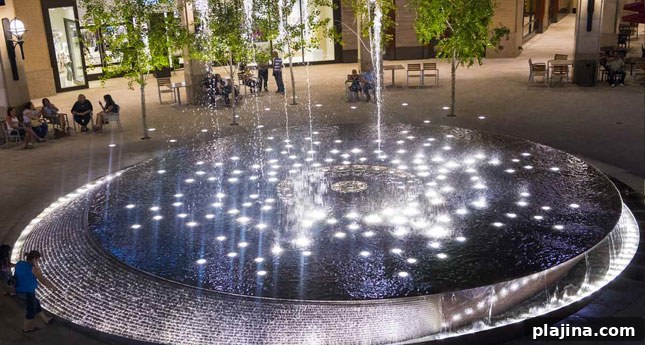
A major catalyst for downtown’s revival has been the City Creek redevelopment. This open-air shopping center, completed a few years ago, blends retail with public spaces: outdoor walkways link anchors like Nordstrom and Macy’s with fountains, fireplaces, waterfalls and fish-filled creeks. The project also added about 900 housing units, bringing more residents into the downtown core and increasing activity after dark — a change that local tourism leaders cite as essential to the area’s renewed vibrancy.
The renewed urban energy has spurred a burst of restaurants and bars, with more than 40 new dining venues opening since 2012. Popular destinations include The Copper Onion, where reservations are often necessary especially for weekend brunch, and Naked Fish Japanese Bistro, known for exceptionally fresh sushi flown in daily from San Francisco and for sunken seating that offers a relaxed, intimate dining experience. For beer lovers, actor Ty Burrell opened Beer Bar, a beer garden-style spot pouring a wide selection of brews alongside housemade bratwursts and Belgian fries; next door is his cocktail bar, Bar X.
Panorama of Salt Lake City © Jacek Sopotnicki | Dreamstime.com
Anchoring much of the downtown activity is the Salt Palace Convention Center, a 679,000-square-foot facility located just a block from City Creek. The convention center installed one of the nation’s largest rooftop solar arrays — more than 6,000 panels — which began operating in 2012 and offsets a portion of the building’s annual electricity use. New hotel development is following the convention center’s momentum: legislation recently cleared the way for a 1,000-room convention hotel adjacent to the Salt Palace, with developers expected to be selected soon. Meanwhile, two new hotels are slated to open nearby: the Hyatt House Salt Lake City/Downtown, a 157-room extended-stay property, and a 175-room Courtyard by Marriott.
Transportation improvements have also made the city more accessible. The Airport TRAX light rail, which began service in 2013, connects downtown to the airport in about 20 minutes for a modest fare. The Salt Lake City International Airport is undergoing a major $1.8 billion redevelopment that will replace the existing terminal with a modern facility designed to accommodate future growth; when complete, annual passenger capacity is expected to rise significantly from current levels.
Culture and the arts are expanding as well. The new Eccles Theater, a 2,500-seat performing arts center, is planned for the heart of downtown and will host touring Broadway productions, concerts and comedy shows. The Natural History Museum of Utah reopened in 2012 in a striking new building near Red Butte Garden, offering extensive exhibits on Native American culture, paleontology and the region’s geology. Visitors can view colorful Navajo baskets, Paiute beadwork and large dinosaur displays, and they can even watch paleontologists work behind viewing windows.
Neighborhoods on the edge of downtown have become lively places to live, shop and dine. The 9th and 9th district, at 900 East and 900 South, evolved from a neighborhood once favored by University of Utah professors into a hub for young families and professionals attracted to its two-story bungalows and Victorian homes. On sunny days — Salt Lake City is one of the sunniest major U.S. cities — sidewalks fill with people enjoying coffee, exploring Middle Eastern and Thai restaurants, dining at farm-to-table restaurants like Pago, catching independent films at the Tower Theatre and browsing shops that sell orchids, outdoor apparel and unique gifts.
SCENIC DRIVES
Park City’s ski legacy traces back to the silver rush of the late 19th century, when miners flocked to the hills seeking fortune. Historic Old Town preserves that era with two- and four-story buildings along Main Street, including landmarks like the No Name Saloon and the Territorial Jail, both part of the Park City Museum complex and among dozens of structures listed on the National Register of Historic Places.
The drive between Salt Lake City and Park City can be made on I-80 East in about 40 minutes, but a more scenic route follows Big Cottonwood Canyon to the southeast, passing recreation areas and ski resorts such as Solitude and Brighton. From there, a smaller road climbs to Guardsman Pass and descends into Park City, allowing drivers to complete a picturesque loop when returning via I-80 West.