
Temecula Valley in Southern California blends time-honored winemaking with forward-looking sustainable practices. Local wineries prioritize soil health, water conservation and biodiversity, producing high-quality grapes while protecting the surrounding environment.
Here are wineries in the region leading sustainable winemaking efforts:

Palumbo © Temecula Valley Winegrowers Association
Palumbo Family Vineyards & Winery
The Palumbo family has been engaged with the California Sustainable Winegrowing Alliance since 2002. As an early local participant in the program, the family-owned winery emphasizes practices that protect vineyard soils, promote biodiversity and preserve long-term vineyard health.

Ponte Winery © Temecula Valley Winegrowers Association
Ponte Winery
Ponte Winery became the first in Temecula Valley to earn the Certified California Sustainable Winegrower designation in 2011. Their approach focuses on erosion control, the use of native cover crops and practices that conserve soil and water to support healthy, resilient vineyards.
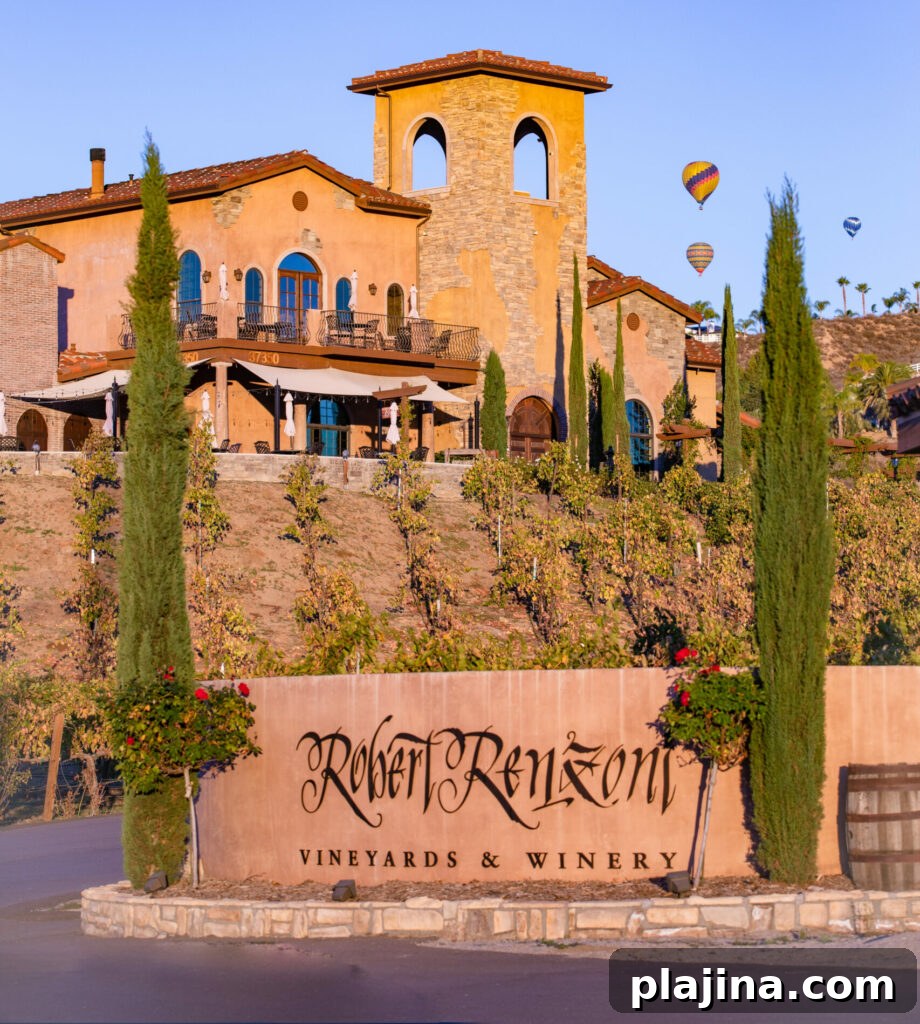
Robert Renzoni Vineyards © Temecula Valley Winegrowers Association
Robert Renzoni Vineyards
Certified as a California Sustainable Winegrowing operation in 2023, Robert Renzoni Vineyards also stands out as the region’s first winery to operate entirely on solar energy. Their sustainability efforts combine renewable energy with vineyard practices that protect soil and water resources.
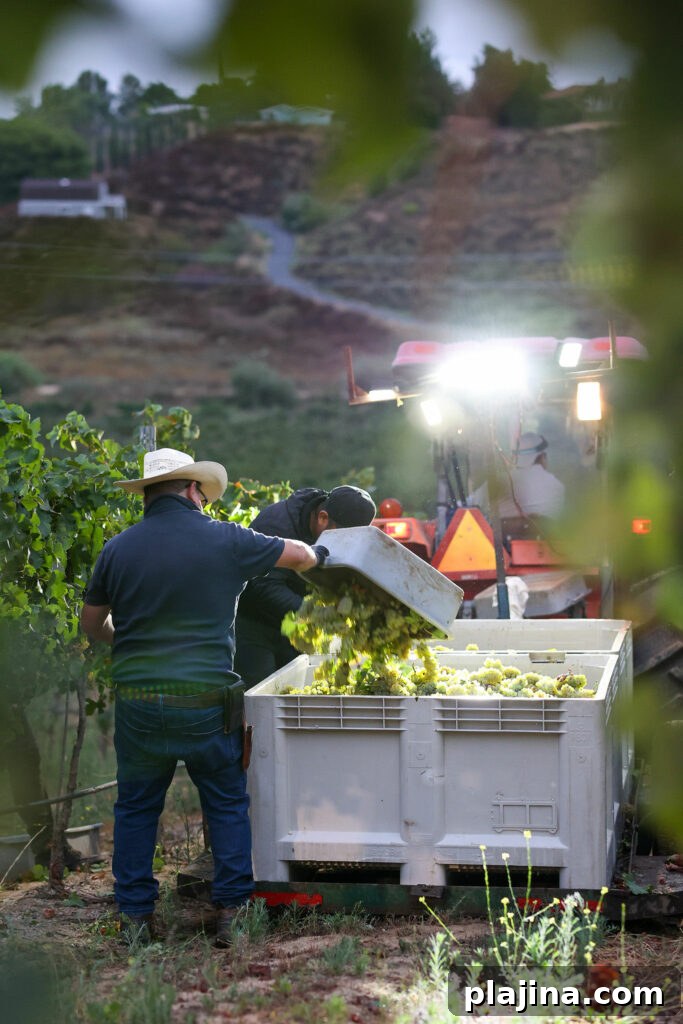
South Coast Winery © Temecula Valley Winegrowers Association
South Coast Winery and Carter Estate Winery
These sister wineries have maintained sustainability certifications—South Coast since 2013 and Carter Estate since 2018. Their programs prioritize resource conservation, with a particular emphasis on efficient water management, native plantings and reduced chemical inputs.
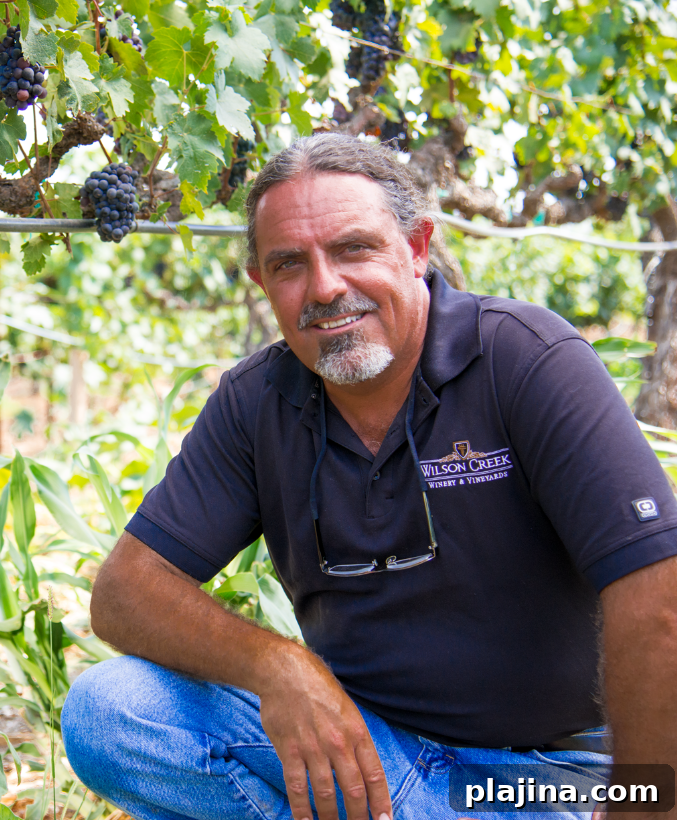
Wilson Creek Winery and Vineyards © Temecula Valley Winegrowers Association
Wilson Creek Winery and Vineyards
Under the guidance of vineyard manager Greg Pennyroyal, Wilson Creek adopted an extensive regenerative agriculture program several years ago. The program emphasizes plant sap analysis, regular soil health assessments, monitoring for harmful insects and collaborative research with local organizations to continuously improve vineyard sustainability and resilience.
Across Temecula Valley, these wineries illustrate how sustainable viticulture can protect natural resources while producing exceptional wines. By prioritizing soil health, water efficiency, renewable energy and biodiversity, the region’s growers are shaping a more resilient and environmentally responsible wine industry.