Like its namesake basketball team, Miami is a city that radiates heat and energy. Every neighborhood, from Coral Gables to Little Haiti, has its own distinct rhythm and character.
“Miami is a sensory experience year-round, from arts and culture to beaches. Visitors bring a mix of South American, European and domestic influences. The city is so diverse you can hear five or ten different languages within a few blocks,” says Jeff Lehman, chairperson of the Miami Beach Visitor and Convention Authority.
Many of Miami’s best attractions are free. Miami-Dade Mayor Carlos Gimenez highlights the county’s parks, which include tropical mangroves, urban forests, water parks and expansive beaches. He also recommends visiting the city’s ethnic neighborhoods to experience the food, music and art that reflect the region’s cultural diversity. Mayor Gimenez notes the recently opened Pérez Art Museum on Biscayne Bay as a major addition showcasing Latin American and international modern art.
Designed by Pritzker Prize–winning architects Herzog & de Meuron, Pérez Art Museum Miami opened with roughly 200,000 square feet of flexible space for exhibitions, education, dining and relaxation. The museum is expected to earn LEED Silver or Gold certification.
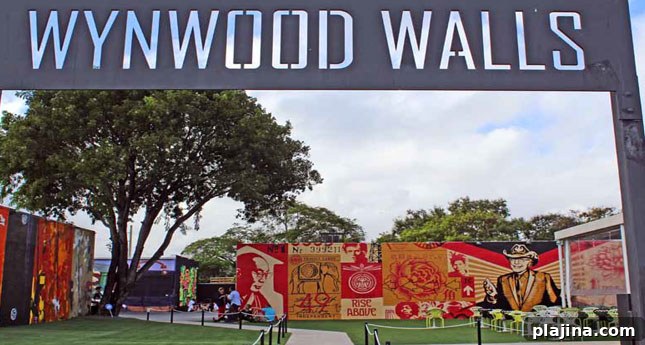
The Wynwood Arts District has emerged from a collection of former warehouses into a thriving arts neighborhood. Transformed by Goldman Properties, Wynwood is known for its outdoor graffiti mural collection, Wynwood Walls, alongside galleries, studios, restaurants and small businesses. To support growth, commercial property owners created the Wynwood Business Improvement District; seed funding helped launch efforts to improve neighborhood services. Over the next decade, property owners plan to generate funds for enhanced safety, zoning initiatives to support increased density, and expanded sanitation programs.
Brickell Avenue, often called Miami’s Wall Street, serves as a financial hub for Latin America. The Four Seasons Hotel Miami is one of the city’s tallest buildings at 789 feet. New towers are changing the skyline: the Panorama Tower at 1101 Brickell is projected to rise to about 830 feet with nearly 950 luxury apartments, high-end offices and upscale retail. One Bayfront Plaza, planned as a mixed-use skyscraper topping over 1,000 feet, will combine large-scale office space, condominium units, a major hotel and retail space.
The Biltmore Hotel © Massimo Gherardi | Dreamstime.com
Miami offers abundant meeting and event venues. The JW Marriott Marquis Miami in Brickell and the historic Biltmore Hotel in Coral Gables each host conferences and gatherings, and both feature standout amenities—an NBA-approved indoor basketball court at the Marriott and a Donald Ross golf course at the Biltmore.
The Miami Beach Convention Center currently provides around 1 million square feet of functional event space. Following changes to an earlier redevelopment plan, the city is preparing a new proposal to renovate portions of the center. The Miami Airport Convention Center, recently renovated, sits adjacent to Miami International Airport and offers exhibit halls, ballrooms and multiple meeting rooms for events close to air travel connections.
Miami is also a global cruise hub. Major cruise lines, including Azamara Club Cruises, Celebrity and Royal Caribbean, operate from the city, which welcomes millions of cruise passengers annually. PortMiami is the state’s largest container port and contributes significantly to the local and state economy. Recent sustainability efforts at the port, such as diverting construction waste from landfills and sourcing local materials, have supported green building certifications.
Miami International Airport is a primary gateway to the Caribbean and Latin America and ranks among the nation’s busiest airports. It lies just a short drive from downtown. Recent investments in transit have improved rail access between the airport and the city, offering travelers a convenient and affordable connection to Miami’s center.
SCENIC DRIVES
Allow a half-day to explore Old Cutler Road, a tree-lined route that runs from Coral Gables to the Deering Estate. Along the way you’ll find photographic stops such as sprawling banyan trees, Matheson Hammock Park and Fairchild Tropical Botanic Garden. The Deering Estate, which was closed for several years after Hurricane Andrew, reopened and now hosts tours and ecological programs.
Touring the Art Deco District along Ocean Drive and Collins Avenue takes about an hour. Begin at the Park Central Hotel across from Lummus Park and continue north to 15th Street. Both Ocean Drive and nearby Collins Avenue showcase Art Deco architecture from the 1930s. Notable landmarks include the Carlyle and the Breakwater on Ocean Drive, and the Bass Museum, the Delano and the Cadillac Hotel along Collins Avenue. The neon-lit facades make the area especially lively after dark.
For a short but scenic introduction to Miami, drive down Coral Way from downtown at Brickell Avenue toward Coral Gables. The stretch through Coral Gables is shaded by an arching canopy of oak trees that creates a striking tunnel effect, a pleasant and memorable way to experience the city’s subtropical beauty.