
Getting sick while traveling can ruin a trip. Close contact with many people, crowded transport and unfamiliar environments make illness more likely, but there are practical steps travelers can take to strengthen their defenses and reduce the risk of getting sick away from home.
First and foremost, a healthy lifestyle is the best base-level protection. Regular exercise, balanced meals and adequate sleep support the immune system. Trying to adopt these habits at the last minute is rarely effective, so maintain them consistently before and during travel when possible.
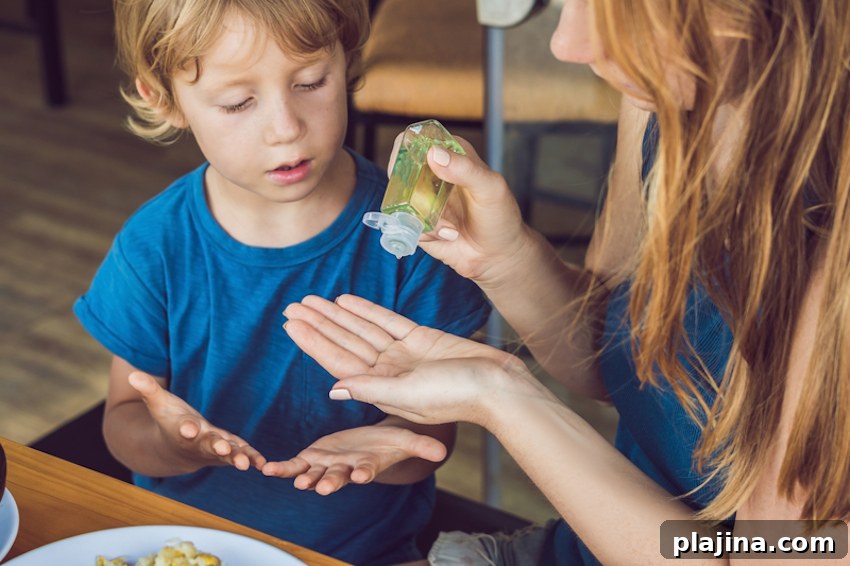
Once you’re on the road, simple hygiene measures become especially important. Carrying a travel-size, alcohol-based hand sanitizer is essential for situations where soap and water aren’t available—on trains, planes, buses or during outdoor activities. Use it after touching high-contact surfaces and before eating.
Frequent handwashing with soap and water remains one of the most effective ways to prevent the spread of illness. Studies have shown that handwashing is a highly cost-effective public health intervention because it stops transmission of many common infections. Make a habit of washing hands thoroughly for at least 20 seconds, especially after restroom use, before meals and after being in public places.
Vaccination is another important preventive measure. If you’re traveling during flu season, getting an annual flu vaccine before departure can greatly reduce your chances of catching influenza—and prevent turning a vacation into a stay in the hotel room. Vaccines recommended for your destination or personal health circumstances should also be discussed with a healthcare provider well ahead of travel.
Beyond prevention, be prepared with basic over-the-counter medications and a small first aid kit to treat minor ailments while away. Pain relievers, antihistamines, antacids and rehydration solutions can help you manage symptoms until you can get proper medical care or return home. If you have prescription medications, pack enough for the entire trip and keep them in their original containers.
Other practical tips include avoiding close contact with visibly ill people, staying hydrated, moderating alcohol intake and practicing good food and water safety—especially when visiting areas with different sanitation standards. Rest when you feel run down; pushing through exhaustion weakens immunity and increases susceptibility to infection.
By combining a healthy lifestyle with sensible hygiene, appropriate vaccinations and basic on-the-road preparations, travelers can greatly reduce their chances of becoming ill and make the most of their trips.