
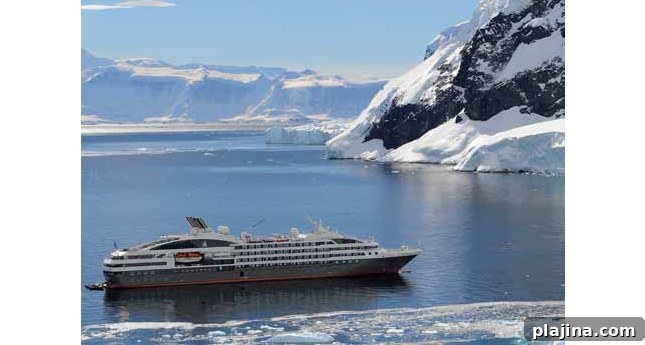
Compared with mega-ships that carry thousands of passengers, small cruise ships—typically accommodating just a few hundred—are pricier per berth and offer fewer onboard amenities. Expect no casinos, no Broadway-style productions, no rows of gourmet restaurants, no climbing walls and few luxury boutiques. What these smaller vessels provide instead is an intimate expedition-style experience that reaches lesser-visited ports and natural sites along remote coastlines. In short, a voyage on a very small ship is more adventure than conventional vacation.
That said, high-end expedition cruising is no longer reserved for only the hardiest explorers. Modern adventure cruises blend comfort and refinement with authentic exploration: cabins and public areas have grown more luxurious, while programming still centers on lectures, guided hikes and snorkeling. These voyages let travelers explore the world’s remotest waters with amenities and safety suitable for a wide range of ages and fitness levels. The real draw of an expedition cruise is typically the destination and the unique experiences it offers rather than the onboard spectacle.
Variety Cruises’ Harmony V © Variety Cruises
Choosing an adventure cruise starts with picking where you want to go. Options range from the Red Sea—sailing between Hurghada, Egypt, and Aqaba, Jordan, with visits to Petra and Wadi Rum—to island-hopping around Madagascar from Komba to Nosy Be in the Mozambique Channel. Or you might prefer the Greek isles of Patmos, Samos and Arki, where larger ships cannot dock and smaller yachts can access secluded harbors. Companies that specialize in small-ship travel often emphasize local service, regional cuisine and expert cruise directors who bring deeper insight into each destination. For example, some lines operate fleets of yacht-sized vessels with as few as four to 36 cabins, delivering personal service and regional knowledge.
If Madagascar doesn’t appeal, consider Myanmar’s Irrawaddy and Chindwin rivers. Small luxury river cruises have been navigating these waterways for years, offering immersive cultural and natural encounters. On certain sailings, passengers can travel from the ancient temples of Bagan to Mandalay and beyond, enjoying onboard enrichment such as photography workshops led by wildlife and travel photographers. These journeys glide past riverside villages, Buddhist temples, pagodas and the everyday scenes of rural life, providing close-up perspectives you won’t find on larger vessels.
For travelers wanting to explore Panama and Costa Rica, very small cruisers offer active, wildlife-focused itineraries. On such trips, ships may run weeklong one-way sailings that combine kayaking, snorkeling, jungle hikes, and full transits of the Panama Canal. Aboard these vessels, naturalists and local guides prioritize wildlife viewing—spotting humpback whales, macaws, caimans, anteaters and various monkey species—while also providing hands-on adventure options and easy access to shore excursions.
Un-Cruise Adventures’ Safari Voyager © Un-Cruise Adventures/Eric Lindberg
The South Pacific remains largely the province of smaller ships and mixed-purpose vessels like deluxe passenger-freighters, which combine reliable sea transport with immersive island experiences. These voyages often focus on Polynesian culture and local traditions, staffed by mostly local crews. Typical itineraries visit multiple island groups over two weeks, include cultural activities, snorkel stops in crystalline waters, market visits, picnics ashore and opportunities to learn about local industries such as pearl farming. Some ships also offer suites with private services for travelers seeking added comfort.
Alaska is another region where small ships excel: their size allows closer approaches to shore, better wildlife viewing and access to narrow channels and secluded anchorages. Small-ship itineraries in the Inside Passage often center on whale watching, fishing, crab pot setting, guided hikes and bear viewing from shore. With a handful of passengers on some yachts, these trips are intimate and flexible, led by captains and crews who know the local waters and wildlife habitats well. Classic wooden yachts and purpose-built expedition boats both serve this market, blending hands-on adventure with comfortable accommodations.
For those who want luxury combined with expedition-style access in Alaskan waters, some French and European expedition lines deploy mid-size, highly appointed ships that provide suites, butler service, wine cellars, spas and onboard theaters while still offering Zodiac excursions for shore exploration. These programs often include more ambitious routes as well, such as voyages through the Aleutian Islands, visits to remote wildlife reserves and cross-border itineraries that link Alaska with far-flung regions.
Small luxury cruise ships address a clear demand: travelers seeking authentic, memorable encounters in places large cruise ships cannot reach. Newer small yachts and all-suite power vessels launched in recent years expand the options for intimate, upscale exploration, from the Black Sea to tropical archipelagos. Whether your priority is secluded coves, cultural immersion, close wildlife encounters or active adventure, small-ship expedition cruising delivers access and depth that floating resorts cannot match.