
Sicily has been producing wine for millennia and today boasts more vineyard acreage than any other region in Italy. Only recently, however, has the island started to gain widespread recognition for its high-quality table wines. While some notable bottles are made from international grape varieties, the most compelling wines come from ancient, indigenous grapes that have been cultivated on Sicily since the era of the Greeks.
With long, warm growing seasons and relatively little rainfall, Sicily long built its reputation on fortified Marsala, the grape-pomace brandy grappa, and sweet Moscato dessert wines. In recent years, though, the island’s dry table wines have begun earning critical praise both at home and abroad.
At a recent tasting at Chelsea Market in New York, a wide range of Sicilian wines revealed both refined craftsmanship and appealing value. Many offer fresh, distinctive flavors that set them apart. One pleasant surprise was the Tasca d’Almerita Brut Contea di Sclafani 2009 ($30), a 100 percent Chardonnay sparkling wine. It delivers rich fruit character balanced by lively acidity, resulting in a full-flavored yet refreshing sparkler.
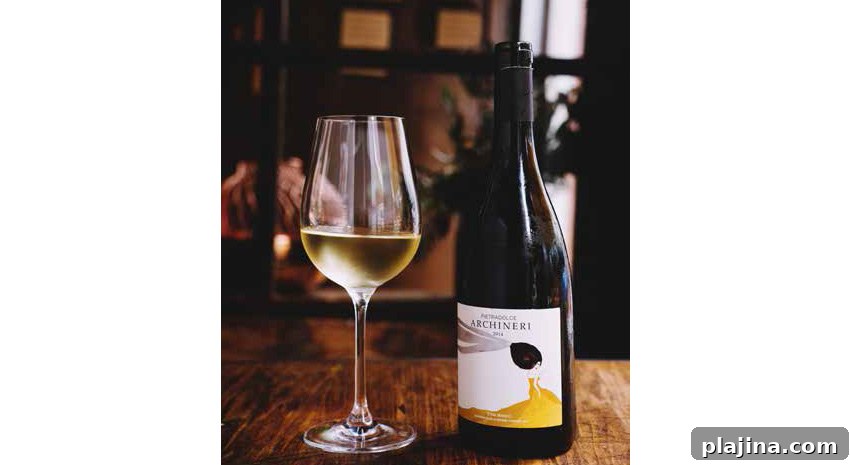
Moving from sparkling to still wines, several examples showcase Sicily’s native varieties. The Etna Bianco Pietradolce Archineri 2014 ($35), made from the Carricante grape, is a medium-bodied white with crisp acidity. Its aromatic profile blends floral notes with green apple, producing a clean, tangy wine that reflects the island’s volcanic terroir.
Perricone is an old Sicilian red grape that nearly vanished from the island before being revived by modern growers. In Feudo Montoni’s Perricone 2014 ($18), the variety yields a round, concentrated wine with vivid fruit aromas—plum being particularly prominent—making it an intriguing rediscovery for lovers of expressive reds.
Perhaps the most significant indigenous red is Nero d’Avola, long used primarily in blends but increasingly celebrated on its own. As a varietal, Nero d’Avola creates deeply colored wines with robust tannins and substantial body. Sicilia Rosso Hiera Hauner 2012 ($20) exemplifies the grape’s strengths: it is ink-dark, firmly structured, and offers a bouquet of cherries and dark berries with spicy undertones and a long, satisfying finish.
These samples represent only a fraction of what Sicily now produces. From volcanic slopes to coastal vineyards, the island combines ancient grape varieties with modern winemaking techniques to create wines that are both distinctive and accessible. Whether seeking crisp whites, vibrant rosés, elegant sparklers, or powerful reds, wine lovers will find plenty to explore among Sicily’s rapidly rising selection.