
Mallorca has long drawn artists and creative minds from around the world. Composers, writers, painters and architects have lived, worked and found inspiration here; their legacy remains visible in galleries, museums, studios and the landscapes that influenced their work.
Near Palma, the studio of Joan Miró preserves the artist’s working environment and displays a broad selection of his pieces. Stone galleries showcase hundreds of works, while the surrounding gardens still contain the objects and arrangements that appear in his paintings and sculptures. The studio and gardens remain much as Miró left them at his death in 1983, making the site a popular destination for visitors wishing to experience the artist’s creative world firsthand.
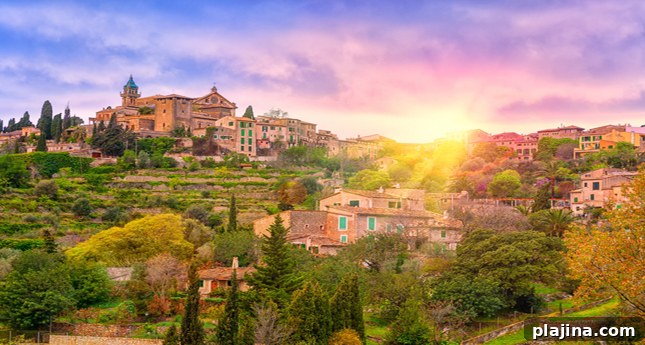
The island also has strong connections to music and literature. Frédéric Chopin composed a number of his Preludes during the winter he spent in Valldemossa with writer George Sand. Their stay in the Royal Carthusian Monastery provided the setting for Sand’s book A Winter in Mallorca, and today visitors can tour the rooms they occupied. Each August the annual Chopin Festival fills the town with concerts, offering a chance to hear the composer’s music in the place that inspired it.
Writer Robert Graves made his home at Ca n’Alluny for more than four decades; his house is now a museum dedicated to his life and work. The island’s cultural scene has continued to evolve with contributions from other figures, such as actor Michael Douglas, who helped transform an estate in Valldemossa into Costa Nord Cultural Centre. That venue hosts exhibitions, concerts and events that celebrate local art and culture, extending the island’s creative tradition into the present.
Beyond these well-known names, Mallorca’s landscape — from rugged coastline and sheltered coves to olive groves and mountain villages — has long served as a muse for artists. Museums, restored studios and cultural centers across the island invite visitors to trace the footsteps of the creators who lived here and to discover how Mallorca’s light, terrain and atmosphere shaped their work. Whether exploring galleries in Palma, visiting historic homes, or attending seasonal festivals, travelers can experience a vivid artistic heritage woven into the island’s everyday life.