
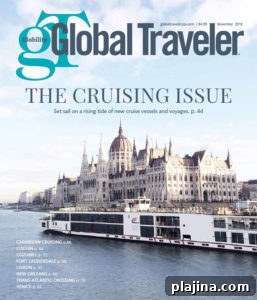
VIKING LONGSHIP IN BUDAPEST © VIKING RIVER CRUISES
The image above captures a Viking longship docked in Budapest, a striking example of modern river cruising meeting historic European waterways. Viking River Cruises has become synonymous with comfortable, scenic journeys that highlight cultural landmarks along rivers like the Danube. In cities such as Budapest, these ships offer passengers a unique vantage point for viewing architecture, riverside promenades, and iconic bridges.
Budapest is particularly well-suited to river travel. The Danube divides the city into Buda and Pest, each side offering distinct character: historic castles and hilltop views on the Buda side, and bustling boulevards, grand squares, and elegant architecture on the Pest side. From the deck of a river ship, passengers can take in panoramic vistas and watch the city transition from day to night as landmarks light up against the skyline.
Viking’s longships are designed for smooth passage on Europe’s major rivers, with shallow drafts and long, slender profiles that allow them to navigate narrow channels and dock close to city centers. Their large windows and open decks maximize sightseeing opportunities while providing comfortable accommodations and amenities. These vessels blend efficient design with thoughtful public spaces, making them popular among travelers who prioritize culture, ease of access, and relaxed travel pacing.
River cruising emphasizes immersion in local culture. Shore excursions are typically curated to showcase regional history, cuisine, and traditions. In Budapest, passengers can explore sites like the Buda Castle, Fisherman’s Bastion, the Hungarian Parliament Building, and thermal baths. Local guides often provide historical context and anecdotes that deepen appreciation for the places visited. Dining experiences on and off the ship frequently feature regional specialties that reflect the culinary heritage of Central Europe.
One advantage of river cruising is the gentle rhythm of travel: short distances between ports allow passengers to unpack once and experience multiple destinations without frequent transfers. This convenience appeals to travelers who want to see several cities while maintaining a steady base. The onboard environment tends to be intimate compared with ocean cruises, fostering a relaxed atmosphere where cultural enrichment is central to the itinerary.
From a practical perspective, choosing a river cruise in Budapest means considering seasonal variations. Spring and autumn offer mild weather and fewer crowds, while summer brings warmer temperatures and peak tourism. Winter cruises provide a different ambience, with festive markets and illuminated cityscapes, though some excursions may be limited by weather. Packing layers and planning excursions according to seasonal offerings helps ensure a comfortable experience.
Safety and sustainability are increasingly important for contemporary river operators. Many companies emphasize responsible tourism practices, energy-efficient operations, and respectful engagement with local communities. Travelers who prioritize eco-conscious choices should inquire about an operator’s environmental policies and local partnerships that support heritage preservation and community benefits.
Overall, a Viking longship visiting Budapest represents more than a picturesque scene; it symbolizes a travel style that combines comfort, cultural depth, and accessibility. For travelers seeking an efficient way to explore multiple European cities while enjoying scenic river views and curated local experiences, river cruising remains a compelling option. Whether admiring Budapest’s illuminated skyline from the deck or stepping ashore to wander historic streets, the experience connects travelers directly with the heart of the city and its rich cultural tapestry.