
At one time, business trips meant packing little more than a couple of suits and maybe workout clothes—nothing a garment bag and briefcase couldn’t handle. Today’s business travel looks different: schedules are fuller, trips often combine work and leisure, and multi-destination itineraries mean more time on the road. Modern business travelers face new packing challenges and many seek ways to lighten their load while maximizing space.
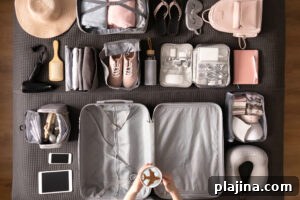
PHOTO: © NATALIA | KOSTIKOVADREAMSTIME .COM
“It’s not so much packing light as it is packing efficiently,” said Emily Meredith Prentiss, luxury travel advisor at EMPexplores. Traveling carry-on only reduces time at the airport and the worry that luggage won’t arrive with you. That said, some destinations or climates make carry-on-only impractical. Prentiss advises clients to choose what works for them: if a checked bag is necessary, check it and save space where possible. She also recommends wearing bulkier items on the plane—like a blazer or heavier shoes—to free up space, and calling hotels ahead to confirm quality hair dryers and toiletries so you can leave extras at home.
For United Airlines captain Trey Cecil, packing light became a necessity after thousands of flight hours and decades in the cockpit. “I don’t have the luxury of unlimited space,” he said. Checking luggage for every flight isn’t feasible, so he learned he used only about half of what he once packed. Even for personal travel he aims to avoid checked bags. Cecil’s carry-on is a curated mix of essentials and multipurpose pieces; parts of his uniform serve double duty, and his Ariat cowboy-style Chelsea boots work for both duty and casual wear. He keeps lightweight gym clothes for exercising or lounging, and usually one business-casual outfit is enough for commuting and exploring during long layovers. He always packs a thin jacket and an extra day’s worth of clothes and underwear in case a return flight is delayed.
Clothing choice matters—both literally and figuratively—on business trips. Multipurpose items are essential: a well-cut sports jacket can transition from a meeting to a dinner, and a few accessories—watches, scarves, ties, or jewelry—can elevate a simple outfit into a polished look. Seasonless neutrals and versatile cuts reduce the number of pieces needed without sacrificing style.
PHOTO: © OLEG BALIUK | DREAMSTIME.COM
“I like to think of my travel style as ‘casual chic with diplomatic immunity,’” said Marianne Fabre-Lanvin, founder and CEO of an organic wine line. Her approach is versatile enough for a beach stroll or an unexpected cocktail invitation while remaining polished. Packing used to feel like an unsolvable riddle for her until her husband suggested a checklist with boxes and rows for special events. Now she writes a list before every trip, checks items off as she packs into a lightweight hardshell carry-on, and makes a decisive color choice—navy or black for winter—to coordinate shoes, bags, and accessories efficiently.
Packing technique is as important as selection. Whether you roll or fold often depends on fabric: rolling saves space for many garments, while delicate materials like linen may lie flatter folded. Packing cubes, rolling, and folding are personal choices, but combining techniques can maximize space. Diane Bunting, a flight attendant, uses both rolling and folding—rolling workout clothes and wrinkle-resistant garments, folding linen—to fit more in her suitcase. She also fills every available space, taking advantage of external pockets for an umbrella or a lightweight foldable backpack and using the hollow under telescoping handles for rolled items.
Bunting has a decades-long system: shoes go in individual linen shoe bags along the suitcase’s outer edge with soles facing outward, and clothes sit in the center. She fills shoes with belts and socks to save space and keep accessories matched and remembered.
Despite changes in business travel, the principle that less is more still holds. Capsule wardrobes—timeless, tailored, and versatile pieces—make packing simpler and more effective. A useful guideline is the 5-4-3-2-1 rule: five tops, four bottoms, three dresses or layers, two pairs of shoes, and one accessory. This keeps choices intentional and ensures outfits can be mixed and matched for multiple occasions.
Whether you’re rushing through airports, presenting in boardrooms, or joining colleagues for an impromptu dinner, thoughtful packing—focused on versatile pieces, smart organization, and efficient use of space—will get you where you need to go and still leave room for a few souvenirs to bring home.