
Bagpipes in Portugal? Yes — and particularly in the northeastern region of Trás-os-Montes, where Celtic cultural threads remain visible today. The area’s Celtic influences are ancient, reaching back millennia; local traditions, language and customs have preserved a unique character that contrasts with more widely known Portuguese coastal culture.
Trás-os-Montes is home to the small community of Miranda do Douro, where an old musical tradition endures: the gaita-de-fole transmontana, a distinctive type of bagpipe played by local musicians. These musicians perform at festivals and local celebrations that highlight regional identity. Accompanying them, male dancers wearing white kilts, black waistcoats and colorful scarves perform energetic dances. The dancers also carry wooden sticks that they clash rhythmically, gestures that echo ceremonial movements and rituals historically associated with fertility and seasonal cycles.
Language is another living link to the region’s deep past. Mirandês, a Romance language with Celtic and Iberian influences, is still spoken by residents in and around Miranda do Douro. Its official recognition within Portugal helps maintain local literature, signage and educational programs, contributing to the survival of regional cultural practices.
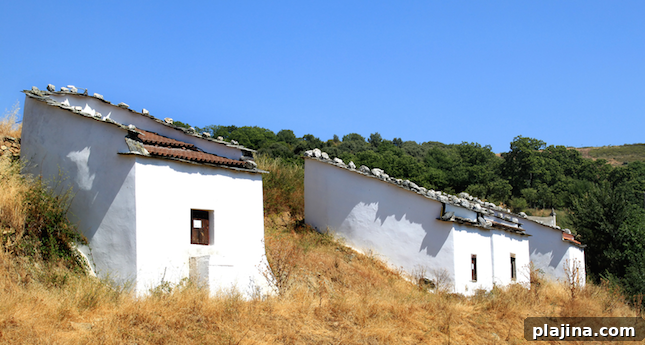
The landscape and built environment further reflect Trás-os-Montes’s distinctive identity. Scattered across the countryside are more than 3,500 pombais — traditional pigeon houses notable for their horseshoe-shaped roofs. These structures once played a practical role in rural life, providing dovecotes for both food and fertilizer, but today they also stand as evocative landmarks linking past agricultural practices with contemporary heritage tourism.
Visiting this part of Portugal offers a chance to experience a side of the country less frequented by international tourists: rugged scenery, time-honored customs and a slower pace of life. Festivals in Miranda do Douro and nearby villages are ideal moments to witness music, dance and costume firsthand. Local markets and seasonal events often highlight regional food, crafts and artisanship, giving visitors a fuller sense of daily life in Trás-os-Montes.
When planning travel in and out of the region, it’s worth setting aside time for Lisbon. Portugal’s capital provides efficient connections, rich history and architectural variety, from medieval neighborhoods to grand plazas. For travelers seeking distinctive, centrally located accommodation, consider historic city hotels that occupy restored period buildings. One example is the Pousada de Lisboa Terreiro do Paço, housed in a Pombaline-era building in the Praça do Comércio. Its rooms can vary in layout and features — some offer vaulted ceilings, others have balconies or sweeping views across the city — and the building’s location places guests within easy reach of waterfront promenades, museums and public transit.
Whether you’re drawn by musical traditions, linguistic heritage or rural architecture, Trás-os-Montes offers an authentic cultural experience. Festivals and community gatherings are particularly valuable for travelers who want to connect with living traditions rather than only viewing artifacts in museums. Plan visits around local celebrations when possible, and allocate time to explore both the region’s villages and the broader historical and cultural offerings available in Lisbon.