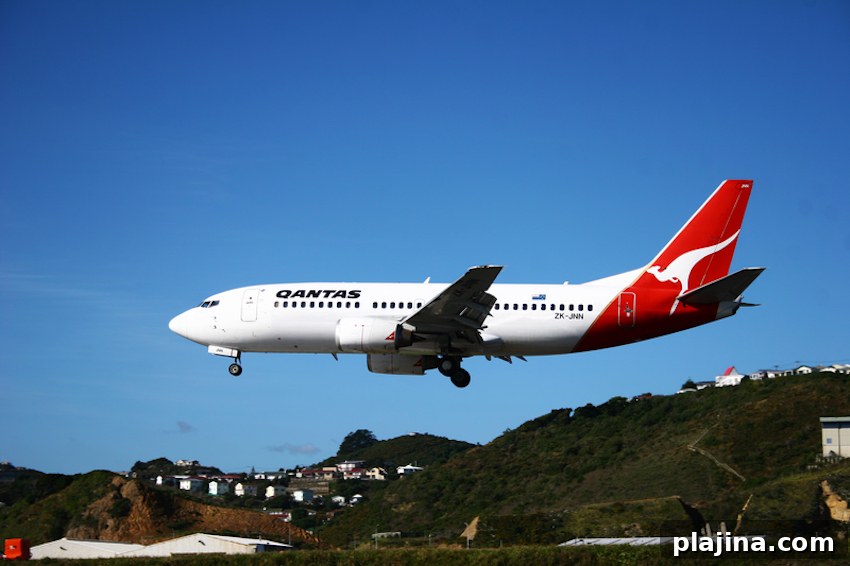
Qantas launched a comprehensive waste-reduction program aimed at cutting the airline’s landfill waste by 75 percent by 2022. Together with its low-cost carrier Jetstar, the group generates more than 30,000 tons of waste each year, prompting a targeted effort to curb single-use items and increase sustainable materials.
The airline has committed to removing a range of single-use plastics from its operations, including plastic cutlery, certain packaging and headrest covers, and to replace them with biodegradable or recyclable alternatives wherever feasible. Qantas estimates these categories add up to roughly 100 million items annually by the end of 2020, such as approximately 45 million plastic cups, 21 million coffee cups and 4 million headrest covers.
Qantas acknowledges that some single-use plastics remain necessary for hygiene or safety reasons and that practical alternatives are not yet available for all items. The airline is prioritizing replacements where they are practical and safe, while continuing to research better options for the remaining items.
“Few industries can eradicate waste completely, but with this program we’re saying that avoidable waste should no longer be an acceptable by-product of how we do business,” said Qantas CEO Alan Joyce.
He added that the initiative is not only environmentally responsible but also makes business sense, positioning Qantas ahead of regulatory deadlines in the various countries where it operates that restrict or ban certain single-use plastics.
In addition to reducing onboard waste, Qantas introduced a frequent-flyer program to encourage voluntary carbon offsetting. Under this initiative, members receive 10 frequent-flyer points for every dollar spent to offset travel originating from Australia. Passengers can choose to fly carbon neutral at booking; Qantas reports that about 500,000 customers opt for carbon-neutral travel each year.
Funds from the offset program support verified tree-planting and reforestation projects in Australia and New Zealand, helping to sequester carbon while supporting local ecosystems and communities.
Overall, the combined measures—cutting single-use plastics, shifting to biodegradable materials where practical, and expanding passenger-driven carbon offsets—form part of Qantas’s broader sustainability strategy to reduce waste, lower emissions and prepare for evolving environmental regulations.