
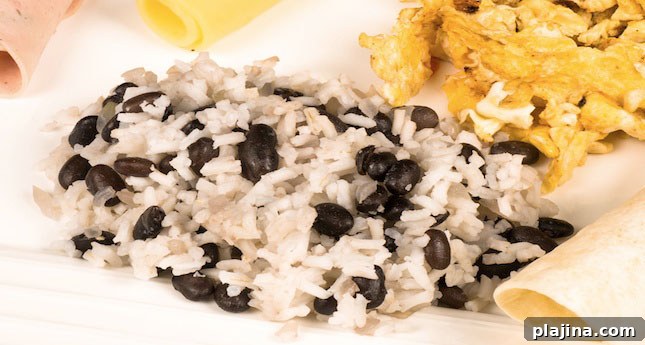
It’s hard to imagine a simple plate of rice and beans stirring patriotic feeling, but in Costa Rica and Nicaragua the origins of gallo pinto provoke lively debate. Both Ticos and Nicas claim this beloved combination — whose name translates as “spotted rooster” — as their national dish, and each country takes pride in its version and traditions.
Legends in Costa Rica tell of a landowner who first served gallo pinto at a San Sebastián Day celebration, yet culinary historians trace the dish’s roots to the Caribbean coast of Latin America. The basic idea — pre-cooked rice and beans fried together with ingredients like cilantro, onion and bell peppers — likely arrived with African slaves in the 18th century and took hold in local kitchens. Over time the recipe became deeply woven into daily life across Costa Rica, appearing at breakfast, lunch and dinner. Its popularity is reflected even in commercial offerings; for example, McDonald’s in the region has sold variations marketed to local tastes.
Gallo pinto’s cultural importance shows up in more than just menus. Community and national events have featured attempts to prepare enormous quantities of the dish as a way to celebrate heritage and solidarity. After Costa Ricans produced 965 pounds of gallo pinto for a Guinness World Records attempt, neighboring Nicaragua responded with an effort that reportedly fed 22,200 people. Not long after, chefs near San José organized a large-scale preparation weighing several thousand pounds and serving tens of thousands, drawing attention to the dish’s role in public life and culinary identity.
Despite these large-scale displays, gallo pinto remains fundamentally a homey, versatile dish. At its core it combines leftover or freshly cooked rice with beans, then sautés them together with aromatics and herbs until the flavors marry and the mixture takes on its characteristic speckled appearance. Ingredients and proportions vary by household and region: some cooks prefer a more pronounced onion and pepper presence, while others emphasize cilantro or add a splash of local sauces. The result can be hearty and savory or lighter and more herb-forward, depending on how it’s prepared.
One of the signature accompaniments that many Costa Ricans favor is Salsa Lizano, a mild, tangy sauce with a slightly sweet, spiced profile that complements the rice-and-beans base. A drizzle of this sauce transforms the plate, adding brightness without overwhelming the comfort of the main ingredients. Gallo pinto is often served alongside eggs for breakfast, with fried plantain, or as part of a fuller midday meal, making it an adaptable component of everyday dining.
Beyond its status as a national dish and its presence at festive record attempts, gallo pinto endures because it is practical, affordable and flavorful. It showcases how simple ingredients — rice, beans, onion, pepper and a few seasonings — can become a culinary emblem when embraced by generations. Whether enjoyed at a family table, a roadside sodal, or recreated by travelers exploring regional tastes, gallo pinto offers a straightforward, satisfying expression of local foodways and shared cultural history.