
PHOTO: © SONIAALVES | DREAMSTIME.COM
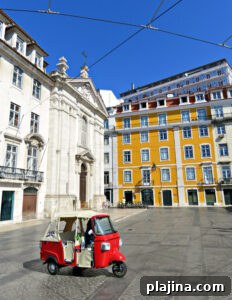
Across the Atlantic, Lisbon has grown into one of Europe’s most attractive destinations, particularly for travelers from the United States. Over the past decade, and even more so in recent years, Portugal’s capital has undergone a major shift in its tourism profile. This change reflects a mix of leisure travelers, remote workers, local and foreign investment in hospitality, and expanding airline routes.
In the post-pandemic era, Lisbon became a magnet for digital nomads and remote workers. The city offers mild weather, a lively cultural life, and a cost of living that’s often lower than other Western European capitals. Municipal and private investments have targeted infrastructure for remote professionals—improved co-working spaces, more networking events and supportive tech hubs—making Lisbon attractive not only for work but for extended stays that blend business and leisure.
Real estate development has also fueled Lisbon’s tourism growth. Property investment, new hotels and upscale apartments have helped breathe new life into historic neighborhoods such as Alfama and Bairro Alto. Renovations and modern amenities preserved the districts’ character while boosting hospitality, retail and dining options that appeal to both visitors and residents.
City breaks have surged in popularity, and Lisbon’s rich history and compact urban fabric make it ideal for short getaways. Tourism operators and local businesses have adapted by offering tailored short-stay experiences: boutique hotels, curated guided tours and immersive activities designed to maximize a visitor’s limited time. Improvements in public transport and the availability of organized experiences make Lisbon an easy, fulfilling choice for a quick European escape.
At a larger scale, the city has announced plans for a second airport to handle future growth. Though that project will take years to complete, the expansion is a response to rising international interest and more routes from major carriers. Low-cost airlines and long-haul connections have both contributed to increased traffic from across Europe and North America, strengthening Lisbon’s role as a major gateway.
CHECKING IN WITH PAULA OLIVEIRA
Executive Director, Lisbon Tourism Association
What is the current tourism landscape in Lisbon?
We welcome around 8 million annual visitors to tourist accommodations in the Lisbon region, with U.S. travelers leading the numbers. Since the pandemic the United States has remained the largest source of foreign visitors. Most people come for city breaks, attracted to Lisbon’s monuments, museums, walkable neighborhoods and exceptional dining scene. Gastronomy remains one of the city’s key draws compared with other destinations.
Is this any different from pre-pandemic trends in Lisbon?
In 2023 several indicators returned to pre-pandemic levels, including the share of foreign visitors (about 79 percent), average stay (approximately 2.35 nights) and reasons for visiting. We did see a stronger presence of North American and British visitors, and tourist spending rose notably.
Do you foresee any shifts in tourism trends ahead?
The North American market continues to grow. Asian markets are beginning to recover, and German visitation is picking up as well.
What can you tell us about investment in a new Lisbon airport?
Construction of a second airport has been approved, but it is not expected to be fully operational for another 10 to 15 years. During the transition, ongoing investment in existing infrastructure will be essential to keep visitor flows steady. The city has also used recovery funds to rehabilitate museums and monuments, strengthening cultural assets that support tourism.
What’s behind the increased air traffic that calls for a second airport?
The rise of low-cost carriers played a major role in boosting European traffic, while the expansion of long-haul routes and higher flight frequencies expanded markets further, including transatlantic connections.
Is that part of the reason U.S. visitors now represent a larger share of arrivals?
Yes. More routes and increased frequencies have strengthened the U.S. market, which is now Lisbon’s largest. Direct flights are available from major U.S. cities on a number of carriers, and direct services from Canada also contribute to robust North American numbers. Lisbon functions as the main entry hub for international visitors to Portugal, with passenger traffic rising year over year.
DIVERSIONS
The Alfama district captures the Lisbon many visitors envision: narrow alleys, steep staircases and authentic neighborhood life. Wander and climb to one of the city’s miradouros—lookout points that reward the effort with sweeping views of rooftops and the Tagus River.
© TURISMO DE LISBOA
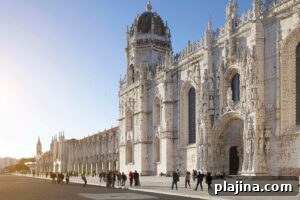
Belém is another essential area, home to the iconic Belém Tower on the Tagus River. Visit the tower for unusual perspectives or enjoy the riverside setting. Nearby, the Jerónimos Monastery—an intricate UNESCO World Heritage site—celebrates Portugal’s seafaring past; the tomb of Vasco da Gama is located there. Don’t miss pastéis de nata at the famous local pastry shop, where the queue is part of the experience.
Evenings in Lisbon are ideal for fado, the soulful Portuguese music recognized by UNESCO as Intangible Cultural Heritage. Traditional fado houses in Alfama and Bairro Alto often offer dinner with live performances, creating memorable nights that showcase Portuguese culture.
LODGING
Corpo Santo Lisbon Historical Hotel
Located two blocks from the river, this boutique hotel combines modern, serene interiors with historic elements dating back centuries.
Largo Corpo Santo 25, Lisbon
$$$$
The Ivens
In Chiado, The Ivens occupies a restored 19th-century landmark and offers refined accommodations that reflect Lisbon’s cultural elegance.
Rua Capelo 5, Lisbon
$$$$$
Valverde Lisboa Hotel
Set on Avenida da Liberdade, this stylish hotel provides attentive service and a tropical courtyard pool that feels like an urban oasis.
Av. da Liberdade 164, Lisbon
$$$$
DINING
Belcanto
A two-Michelin-starred restaurant known for creative, impeccably prepared updates to Portuguese classics in a polished dining room.
Rua Serpa Pinto 10A, Lisbon
$$$$$
Eleven
Set beside Jardim Amália Rodrigues, Eleven serves Mediterranean-inspired dishes with exceptional views in a contemporary setting.
Rua Marquês Fronteira, Jardim Amália Rodrigues, Lisbon
$$$$$
Feitoria
Near the Tower of Belém, Feitoria showcases precise Portuguese cooking, local ingredients and an extensive wine list, earning it Michelin recognition.
Altis Belém Hotel & Spa, Doca do Bom Sucesso, Lisbon
$$$$$
COMING AND GOING
U.S. citizens need a passport valid for at least three months beyond the intended date of departure, with two blank pages available. The European Travel Information and Authorization System (ETIAS), expected to launch in 2025, will require pre-travel authorization for travelers from many non-EU countries, including the U.S.
OFFICIAL LANGUAGE
Portuguese
JUST THE FACTS
Time zone: GMT
Phone code: Country Code: 351
City Code: 21
Currency: Euro
Key industries: Tourism and hospitality, technology and startups, finance and banking, and real estate and construction are among Lisbon’s leading sectors, while fishing remains a part of the local economy.
INFO TO GO
Humberto Delgado Airport is Portugal’s busiest airport and the hub for the national carrier. It lies roughly 4.5 miles from the city center, and taxis, ride-hailing services or rental cars typically take about 20 minutes in normal traffic. Lyft is not available in Portugal.