
China’s aviation regulator has announced it will relax a long-standing rule that limited each route to a single Chinese carrier, a move that could expand travel options on long-haul international services.
The one-route-one-airline policy was introduced in 2009 to curb intense competition among state-owned carriers, particularly on routes with lower passenger demand. Over time, shifts in the aviation market and the imminent opening of a major new airport in Beijing prompted the Civil Aviation Administration of China (CAAC) to revisit the rule.
The revised framework, which takes effect on Oct. 1, designates routes to countries with at least partial open-skies agreements with China — including Australia, Thailand and the United States — as unrestricted. That change allows multiple Chinese carriers to operate the same long-haul routes to those destinations.
Routes to countries that do not have these agreements will be placed in a second category and remain subject to some regulatory restrictions, so competition there will be more limited than on the newly opened routes.
Industry analysts say the adjustment should benefit Chinese airlines by easing constraints on international expansion. “This will be a positive long-term development for Chinese airlines whose international route expansion have been limited by traffic rights access,” said Corrine Png, chief executive of transport research consultancy Crucial Perspective.
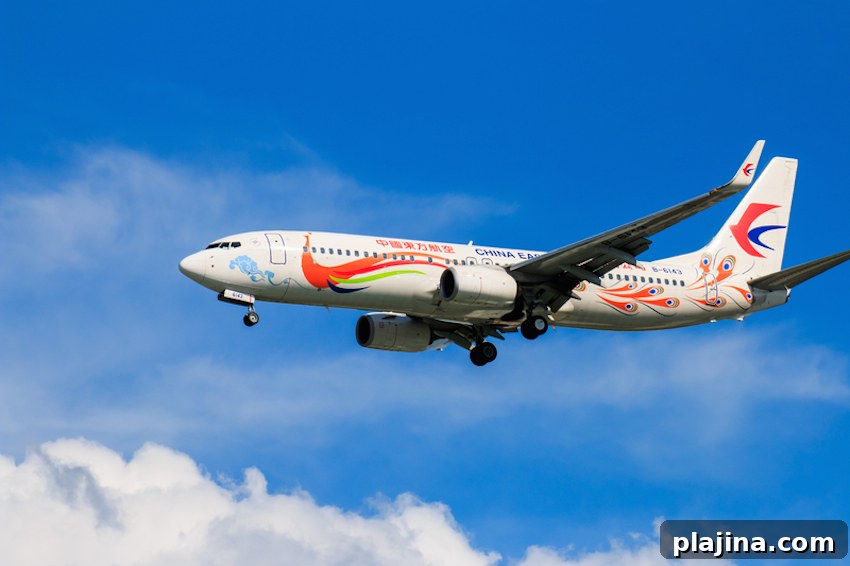
Under the new rules, carriers such as China Eastern and China Southern can pursue long-haul markets that have been largely served by Air China, increasing choice for passengers and potentially stimulating frequency and capacity on popular international corridors.
The change reflects a broader trend in Chinese aviation policy toward greater flexibility as demand recovers and airport capacity expands, while still keeping some controls in place where bilateral arrangements do not permit full market access. Airlines, regulators and travelers will be watching how carriers adjust schedules and capacities in response to the new categories of route rights.