
The middle cabin, tucked between business class and economy, has captured the attention of both business and leisure travelers and has become a significant revenue source for airlines. Fares for this cabin can run as much as 80 percent higher than economy, and airlines market it under names such as Premium Plus, Premium Select, Premium Economy or Elite Class. Today, most major carriers offer this class on international and many long-haul domestic routes.
For years, airlines relied on big-spending corporate travelers to fill front-of-the-plane seats. Those customers are flying less often and with reduced expense accounts. Industry analysis has suggested it may take two to three years for business travel to recover, and the widespread acceptance of virtual meetings could delay a full return to pre-pandemic levels. In the meantime, many business travelers are opting for premium economy.
After 18 to 24 months of staying home, many leisure travelers prefer not to spend their first post-pandemic flights packed into standard economy. Instead, they are turning to premium economy. Households around the world built up substantial savings during the pandemic—funds that had otherwise been spent on entertainment, clothing, services and dining out. With economies reopening, many travelers are willing to spend a bit more for the comfort premium economy provides: wider seats, extra legroom, nicer bedding and meals served on real tableware.
The pandemic hit air travel hard. By April 2020, passenger numbers had plunged by roughly 92 percent compared with 2019, and the industry recorded massive financial losses—more than $370 billion globally, with North American carriers losing about $88 billion.
The International Air Transport Association, representing nearly 300 airlines, called 2020 the worst year on record financially but has noted improving prospects as travelers gradually return to the skies. Barring another severe COVID-19 wave, IATA expects the worst of the collapse is behind the industry.
From both a revenue and customer-satisfaction standpoint, premium economy looks set to be one of the industry’s major post-pandemic success stories: a popular, profitable product that appeals to a wide range of flyers and meaningfully boosts airline margins.
Although individual offerings vary, the basics of premium economy are consistent across many carriers: wider seats—typically 19 to 20 inches—reclining with about 36 to 38 inches of pitch; several inches of extra legroom; and cabins configured with fewer seats per row (commonly 2-3-2 or 2-4-2) than economy, resulting in smaller cabins of roughly 32 to 40 seats. Many airlines also add perks such as lounge access, priority check-in and boarding, increased baggage allowances, noise-cancelling headphones, amenity kits, upgraded meals with premium wines, and self-serve snack or drink stations.
Delta Air Lines has positioned itself as a premium carrier for the post-pandemic era and is investing in long-haul aircraft outfitted with its Premium Select cabins. The airline resumed the rollout paused by the pandemic and expects completion of the program in coming years. New Airbus A330-900neo aircraft feature Premium Select, and Delta is retrofitting select Boeing 767-300ERs with a roomy 2-2-2 Premium Select configuration, signaling confidence in a near-term return on that investment.
Delta’s leadership has pointed to faster recovery in premium cabins compared with main cabin traffic, reflecting broad demand beyond traditional corporate customers. American Airlines has made similar observations, noting that many leisure travelers are now willing to pay more for an upgraded experience even in the absence of heavy corporate travel.
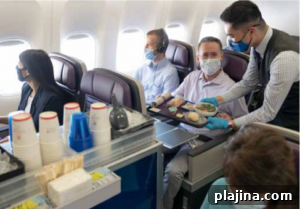
Photo: © UNITED
United Airlines has announced a large aircraft order and a broader strategy called “United Next” that emphasizes increased premium seating across its network. The airline reports a substantial rise in premium seats per North American departure, with Premium Plus available on select long-haul international and premium transcontinental routes. United has refreshed its Premium Plus offering with high-comfort Polaris-inspired seats and relaunched premium transcontinental services on key routes.
Emirates introduced its long-awaited premium economy on new Airbus A380 aircraft and plans to install the product on future Boeing 777X deliveries. The carrier’s premium economy features cream-colored leather seats, cushioned leg rests, adjustable headrests, regionally inspired meals and larger personal entertainment screens—an elevated experience aimed at a wide range of travelers seeking added comfort and amenities.
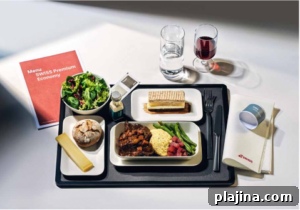
PHOTO: © SWISS
Swiss International Air Lines, part of the Lufthansa Group, plans to introduce premium economy with a modest but comfortable product: a small forward cabin with fixed-back shell seats that are wider and offer 38 inches of pitch, along with early boarding, expanded baggage allowance, amenity kits and larger in-flight screens. The service will operate from Zurich and Geneva on select long-haul routes.
Other major carriers—including Air Canada, British Airways, Qantas, Virgin Atlantic, Japan Airlines, Lufthansa, Singapore Airlines, Philippine Airlines and Air France—are not currently announcing major expansions but report strong demand for premium-economy seats. For passengers, the product brings noticeable comfort and additional perks; for airlines, it brings improved yields and a healthier bottom line. That alignment makes premium economy a clear win for both travelers and carriers.