
A new report from Upgraded Points analyzed U.S. airports with the largest changes in passenger enplanements over the past decade and identified the fastest-growing and most-declining facilities between 2007 and 2017. The study used Federal Aviation Administration data on enplaned passengers — defined as revenue boarding passengers, including those in transit — and included only airports that handled more than 3 million passengers in 2007.
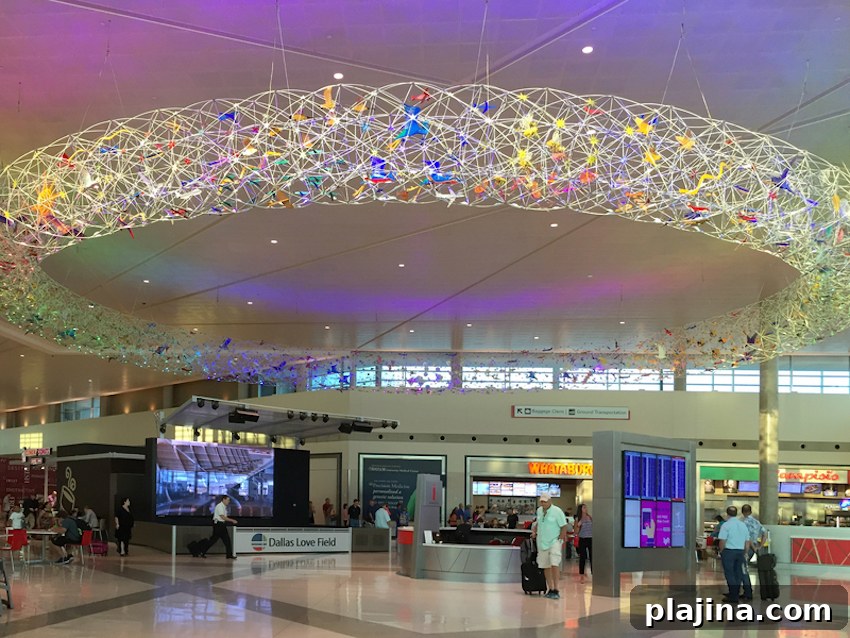
At the top of the growth list was Dallas Love Field, which posted a 90.39 percent increase in enplanements over the ten-year span. Much of that growth is tied to the expansion of low-cost carrier service: Dallas Love Field is a major base for Southwest Airlines, and increased demand and route additions have driven a sharp rise in passenger numbers.
Following Dallas Love Field was Austin-Bergstrom International Airport, with a 62.92 percent increase. Austin-Bergstrom’s recent momentum continued into 2016–2017, when the airport recorded approximately 12 percent growth year-over-year. Ongoing investments — including the addition of gates and other capacity improvements — position the airport for further traffic gains.
On the other end of the spectrum, the largest declines were concentrated at airports that experienced carrier network changes. Memphis International ranked as the top-declining airport in the study, followed by Cincinnati/Northern Kentucky International. Both airports have been affected by reductions in service from major carriers; in particular, cuts by Delta Air Lines led to notable decreases in enplanements at those hubs.
The report highlights broader trends shaping U.S. airport traffic over the decade: growth at secondary and leisure-oriented airports fueled by low-cost carriers and expanding airline networks, and declines at some legacy hubs where airlines have consolidated or shifted capacity. Airport expansions, gate additions, and carrier strategy continue to be primary drivers of passenger growth or decline at individual airports.
By focusing on enplanement data from a consistent ten-year window and limiting the sample to larger airports, the study offers a clear snapshot of where passenger demand has shifted between 2007 and 2017. Airports that invested in infrastructure and captured low-cost carrier growth tended to outperform those that lost key airline services.